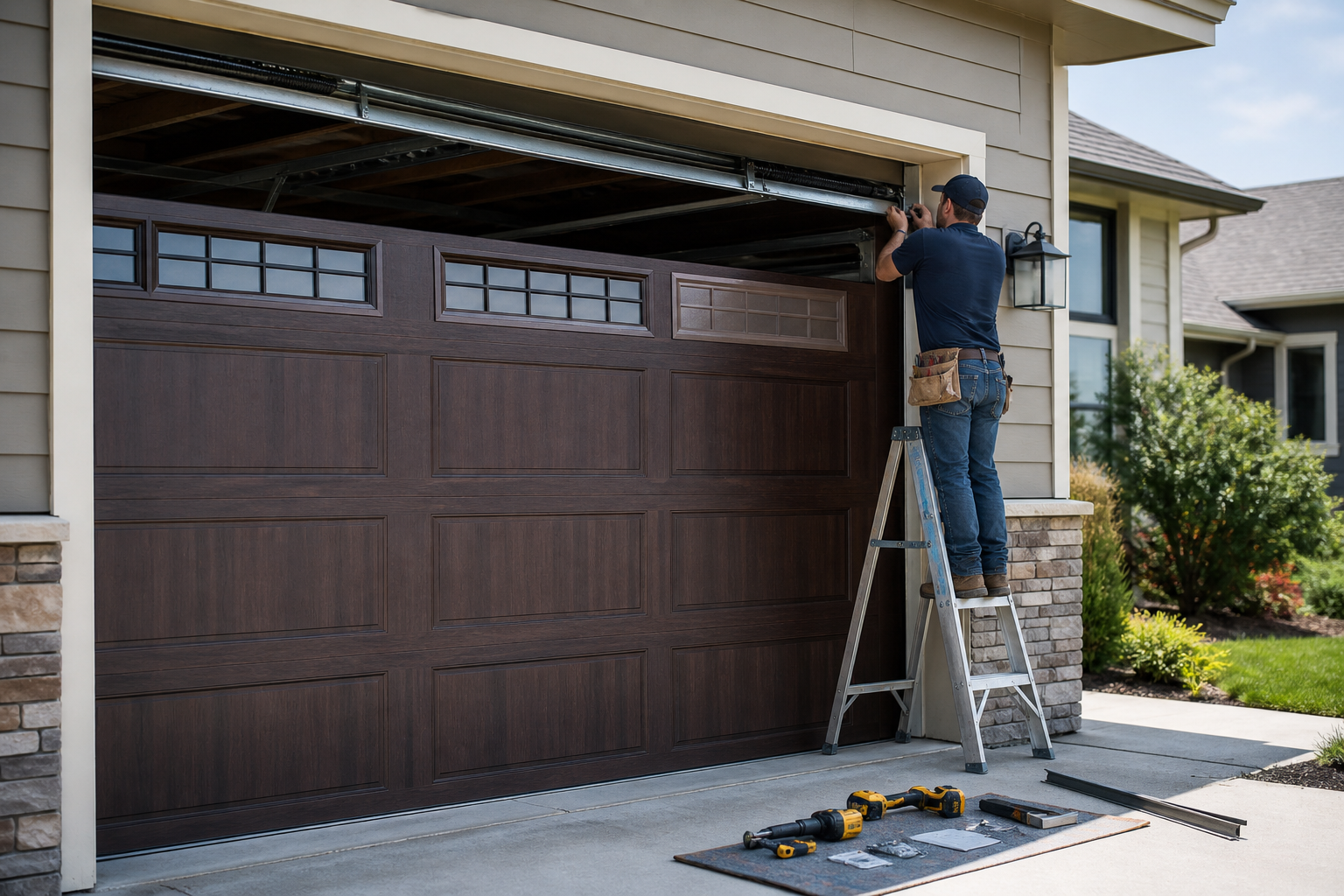
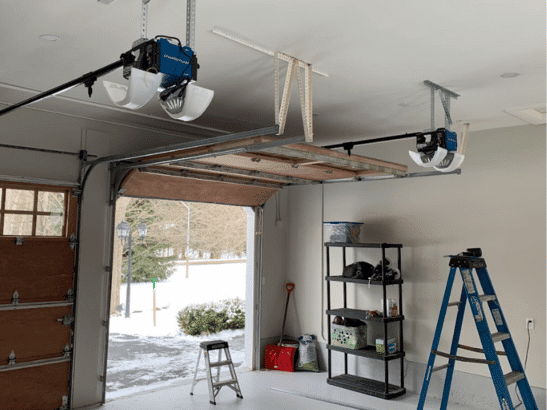
Garage door installation is a significant home improvement project that enhances your home’s security, curb appeal, and overall value. Whether you’re replacing an old, worn-out door or installing a new one in a newly constructed garage, a successful installation is crucial. This article provides five powerful tips to ensure a smooth garage door installation process, covering everything from selecting the right door to maintaining it after installation.
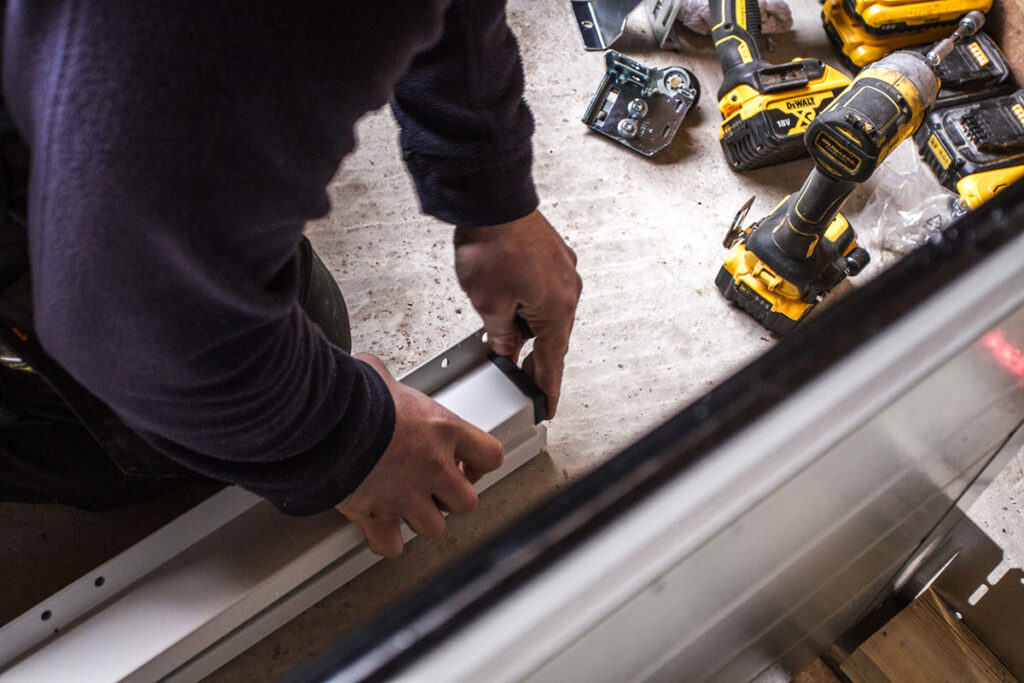
Why Garage Door Installation Matters
A properly installed garage door is more than just an aesthetic addition to your home; it’s a critical component that affects your daily life. A well-functioning garage door provides security for your vehicles and stored belongings, enhances energy efficiency by sealing off a significant opening in your home, and adds to the overall convenience of accessing your property. Investing in a high-quality garage door and ensuring its correct installation can prevent future headaches and save money on potential repairs or energy costs.
Choose the Right Garage Door for Your Home
Selecting the right garage door is the first and perhaps most crucial step in the installation process. The ideal garage door should complement your home’s architectural style, meet your functional needs, and fit your budget.
Understanding Material Options
Garage doors are available in a variety of materials, each with its advantages and disadvantages. Here’s a look at some of the most popular options:
Steel: Steel doors are known for their durability, security, and relatively low maintenance. They are available in various styles and can be insulated to improve energy efficiency. However, steel is susceptible to rust and dents. INO Garage Doors offers a range of steel doors with rust-resistant coatings.
Wood: Wood doors offer a classic, elegant look and can be customized to match any home design. They are also natural insulators. However, wood doors require regular maintenance to prevent warping, rotting, and chipping.
Aluminum: Aluminum doors are lightweight, resistant to corrosion, and customizable. They are a good option for modern homes but are less durable than steel and can be easily dented.
Fiberglass: Fiberglass doors mimic the look of wood but are more resistant to warping and cracking. They are a low-maintenance option but can be brittle and prone to wind damage.
Wood Composite: Wood composite doors combine the look of wood with the durability and low-maintenance qualities of other materials. They are an excellent choice for those who want the aesthetic appeal of wood without the upkeep.
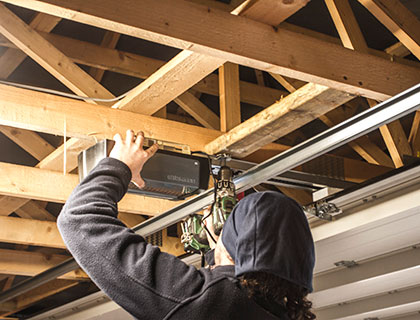
Factors to Consider When Choosing a Garage Door
Climate: Consider your local climate when selecting a garage door material. Wood doors are best suited for mild climates, while steel and aluminum doors can withstand more extreme conditions.
Maintenance: Evaluate how much time and effort you’re willing to invest in maintaining your garage door. Steel, aluminum, fiberglass, and wood composite doors generally require less maintenance than wood doors.
Style: Choose a garage door style that complements your home’s architecture. Whether you prefer a traditional, contemporary, or rustic look, there are numerous design options available.
Budget: Set a budget for your garage door installation and explore options within that range. Keep in mind that the initial cost is not the only factor; consider long-term maintenance and energy efficiency as well.
Insulation: If energy efficiency is a priority, opt for an insulated garage door. Insulated doors help regulate garage temperatures, reducing energy costs and making the space more comfortable. INO Garage Doors provides insulated options for all their door models.
Hiring a Professional Installer vs. DIY
Deciding whether to hire a professional installer or attempt a DIY installation is a critical decision. While DIY might save money upfront, professional installation ensures quality and safety.
Pros and Cons of Professional Installation
Expertise: Professional installers have the knowledge and experience to install garage doors correctly and efficiently.
Safety: Garage door installations can be dangerous, especially when dealing with springs and tension. Professionals are trained to handle these risks.
Warranty: Many garage door manufacturers require professional installation for the warranty to be valid.
Time-saving: Professional installers can complete the job much faster than a DIYer, saving you time and effort.
Cost: Hiring a professional installer can be more expensive than doing it yourself.
Scheduling: You may need to schedule the installation in advance, which can be inconvenient.
DIY Installation: When It’s an Option
DIY installation might be an option if you have significant experience with home improvement projects and are comfortable working with tools and heavy equipment. However, consider the following:
Complexity: Installing an automatic garage door is more complex than installing a manual one.
Tools: You’ll need specific tools, such as safety glasses, a drill, a level, adjustable locking pliers, and more.
Safety: Garage door springs are under great pressure and can cause serious injury if not handled correctly.
Time: DIY installation can take significantly longer, especially if you encounter unexpected issues.
Preparing Your Home for Garage Door Installation
Proper preparation is essential for a smooth garage door installation. Whether you’re hiring a professional or doing it yourself, these steps will help ensure the process goes smoothly.
Clear the Installation Area
Remove Vehicles: Move all vehicles out of the garage and away from the work area. This provides ample space for the installation team and prevents accidental damage to your cars.
Clear the Garage: Remove any items stored in the garage, especially those near the door opening. This includes tools, boxes, and equipment.
Move Items to the Rear: If you can’t remove everything, move items to the rear of the garage to create a clear workspace.
Protect the Area: Cover the floor with drop cloths or plastic sheeting to protect it from scratches, dents, and debris.
Ensure Proper Electrical and Structural Support
Check Electrical Outlets: Ensure there is a functioning electrical outlet near the garage door opener. If not, consider having an electrician install one.
Inspect Structural Support: Examine the garage door frame and header for any signs of damage or rot. Repair or replace any damaged sections before the installation begins.
Prepare the Opening: Measure the garage door opening to ensure it matches the size of the new door. The panels will be about 1⁄4 inch (6.4 mm) smaller than the opening.
Consider Opener Placement: Plan the location for the garage door opener and wall consoles. This will help the installer determine the best wiring and mounting options.
Understanding the Garage Door Installation Process
Knowing the basic steps of garage door installation can help you better prepare for the project and communicate effectively with the installer.
Step-by-Step Installation Guide
Remove the Old Garage Door:
Disconnect the power to the garage door opener.
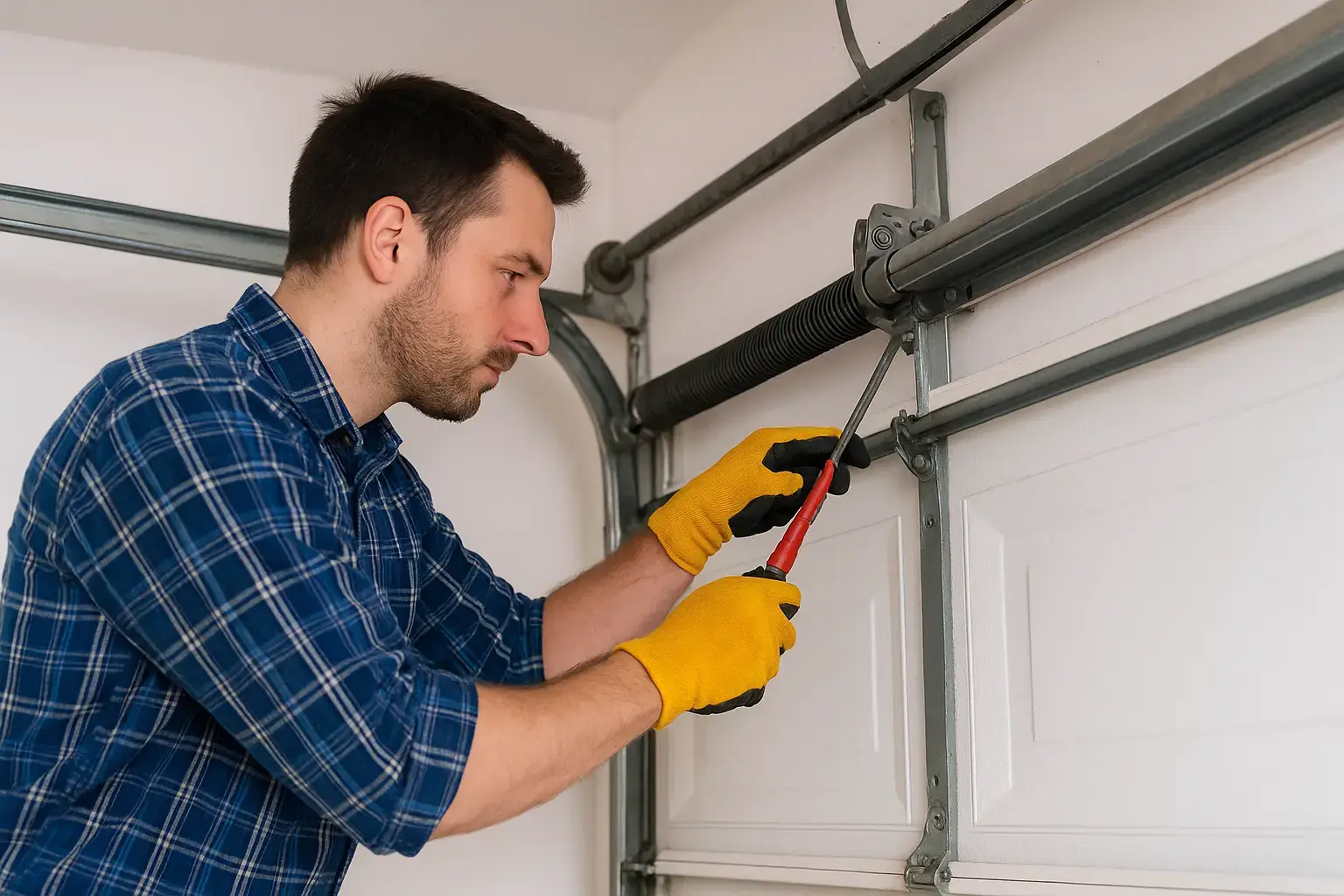
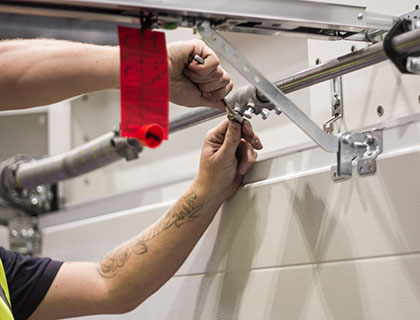
Release the tension from the old springs using adjustable locking pliers. This step requires caution to avoid injury.
Disconnect the old door from the garage door opener by pulling the red emergency release handle.
Remove the old door panels, tracks, and hardware.
Install the New Door Panels:
Lay the bottom panel exterior-side-down on a workbench.
Install weather stripping along the bottom edge of the panel.
Place brackets on the lower corners of the panel and secure them with lag screws.
Center the door panel in the garage doorway and use shims to ensure it’s level.
Install Tracks and Hinges:
Insert rollers into the hinges and brackets.
Wrap the roller track around the wheels and screw the track to the door frame.
Install hinges on the next-door panel and place it on top of the first one.
Use the hinges to connect the door panels and fasten them with lag screws.
Repeat this process for the remaining door panels.
Install the Torsion Spring System:
Purchase a DIY-friendly torsion spring kit.
Attach the spring to wall brackets above the door.
Thread the lifting cables onto the spring.
Hold the torsion bar still with locking pliers and wind the spring with a drill to add tension.
Lubricate the spring with a garage door lubricant.
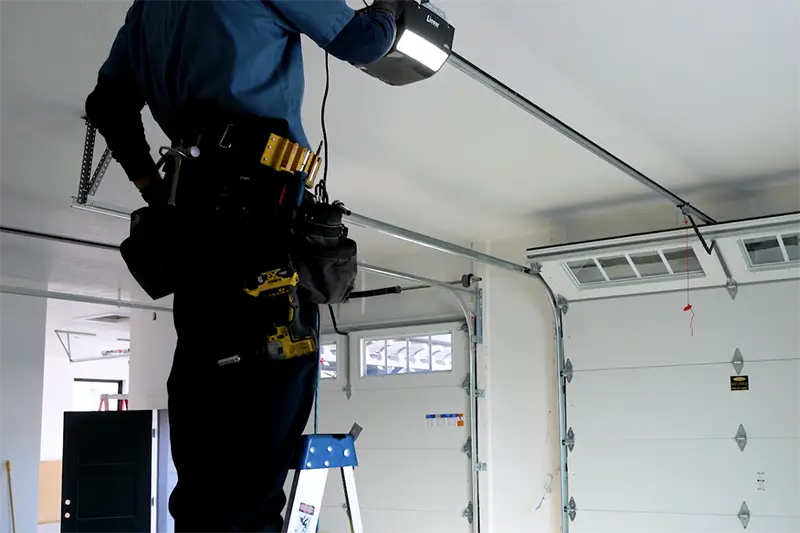
Install the Garage Door Opener:
Hang an angle iron from the center joist on your garage’s ceiling.
Hook up the opener and fasten it to the spring system with a pulley and cable.
Test the garage door opener to ensure it’s functioning correctly.
Common Mistakes to Avoid
Incorrect Measurements: Always measure the garage door opening accurately to ensure the new door fits properly.
Improper Tensioning of Springs: Garage door springs are under high tension and can be dangerous if not handled correctly. If you’re not experienced, leave this step to a professional.
Skipping Safety Precautions: Always wear safety glasses and gloves during the installation process.
Using the Wrong Tools: Use the correct tools for each step of the installation. Using the wrong tools can damage the door or cause injury.
Ignoring the Manufacturer’s Instructions: Follow the manufacturer’s instructions carefully. These instructions provide specific guidance for your particular door model.
Neglecting Maintenance: Regular maintenance is essential for keeping your garage door functioning smoothly. Neglecting maintenance can lead to costly repairs down the road.
Maintaining Your Garage Door After Installation
Proper maintenance is crucial for prolonging the life of your garage door and ensuring it operates smoothly.
Regular Maintenance Tips
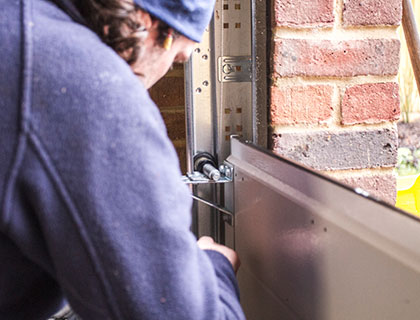
Inspect the Door: Regularly inspect the garage door for signs of damage, such as rust, dents, or loose hardware.
Tighten Hardware: Tighten any loose bolts, screws, or nuts.
Lubricate Moving Parts: Lubricate the rollers, hinges, and springs with a garage door lubricant. Avoid using WD-40, as it can attract moisture and cause corrosion.
Clear the Tracks: Remove any debris, such as leaves, dirt, or snow, from the tracks.
Check Cables: Inspect the cables for signs of fraying or damage. If you notice any issues, contact a professional for repair.
Test the Balance: Test the garage door balance by disconnecting the opener and manually lifting the door halfway. The door should stay in place without drifting up or down. If it doesn’t, the springs may need adjustment.
Clean the Door: Wash the garage door with mild soap and water at least twice a year to remove grime and dirt.
Check the Weather Stripping: Inspect the weather stripping for damage and replace it if necessary.
Signs That Your Garage Door Needs Repair
Unusual Noises: Grinding, squeaking, or popping noises can indicate a problem with the rollers, hinges, or springs.
Slow or Jerky Movement: If the garage door moves slowly or erratically, there may be an issue with the opener or springs.
Uneven Closing: If the garage door doesn’t close evenly, the tracks may be misaligned.
Visible Damage: Dents, rust, or cracks can compromise the structural integrity of the door.
Failure to Open or Close: If the garage door fails to open or close, there may be a problem with the opener, sensors, or springs.
FAQs: Garage Door Installation
How long does garage door installation take?
Professional garage door installation typically takes between 4 to 8 hours, depending on the complexity of the job. DIY installation can take significantly longer.
Can I install a garage door myself?
Yes, you can install a garage door yourself if you have experience with home improvement projects and are comfortable working with tools and heavy equipment. However, professional installation is recommended for safety and warranty reasons.
What should I look for when hiring an installer?
Look for an installer with experience, a good reputation, and proper licensing and insurance. Ask for references and check online reviews.
What is the average cost of garage door installation?
The average cost of garage door installation varies depending on the material, size, and features of the door, as well as the cost of labor. It’s best to get quotes from several installers to compare prices.
How do I know if my garage door needs maintenance?
Regularly inspect your garage door for signs of damage, such as rust, dents, or loose hardware. If you notice any unusual noises or jerky movement, it’s time for maintenance.
Are there energy-efficient options for garage doors?
Yes, there are energy-efficient options for garage doors. Look for insulated doors with a high R-value to improve energy efficiency. INO Garage Doors offers a variety of insulated models to suit your needs.
Conclusion
Making Your Garage Door Installation a Success
A smooth garage door installation requires careful planning, the right choice of materials, and attention to detail. Whether you choose to hire a professional or tackle the project yourself, following these tips will help ensure a successful outcome. Remember, a properly installed and maintained garage door not only enhances your home’s curb appeal but also provides security and convenience for years to come.