
Your garage door is more than just an entry point; it is a critical component of your home’s security, convenience, and overall functionality. Regular garage door maintenance is essential for ensuring the safety, security, and smooth operation of your home. Addressing common repair issues promptly can prevent minor problems from escalating into costly replacements. This article will guide you through common garage door problems, troubleshooting steps, essential tools, replacement considerations, safety precautions, lifespan extension tips, and how to choose the right repair service.
Common Garage Door Repair Problems and Their Causes
Several issues can plague garage doors, disrupting convenience and security.
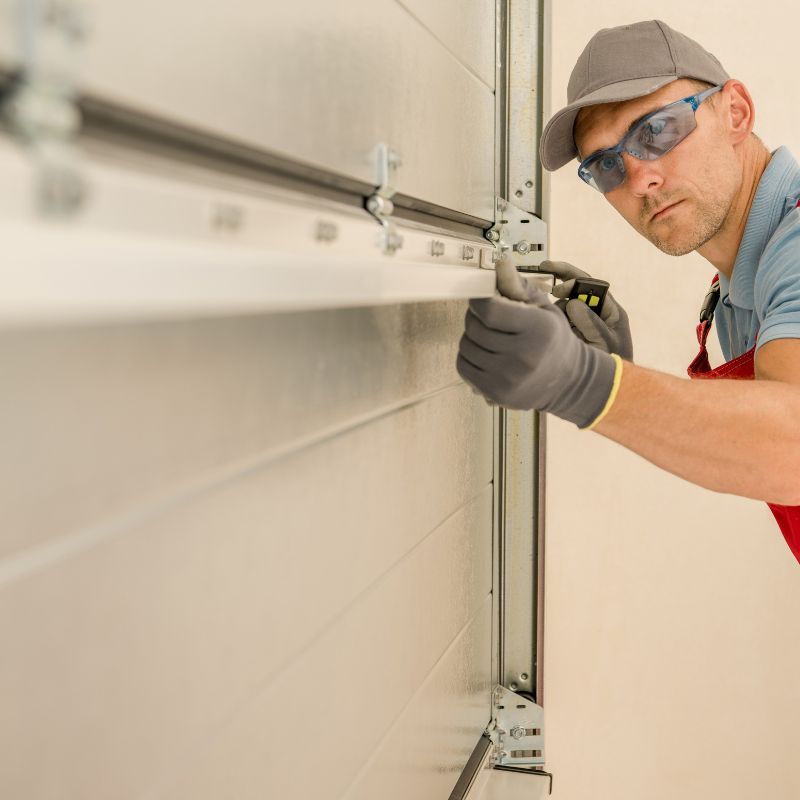
Noisy Doors: Noisy garage doors can stem from several underlying issues. Loose hardware, such as hinges, bolts, and screws, can cause rattling and squealing sounds as the door operates. Lack of lubrication on moving parts like rollers and hinges increases friction, leading to grinding and squeaking noises. Worn rollers, especially those made of plastic, can also contribute to noise as they move along the tracks. For instance, metal-on-metal contact between dried-out rollers and tracks is a common culprit.
Stuck Doors: Garage doors that get stuck often result from misaligned tracks, broken springs, or damaged rollers. Misaligned tracks can cause the rollers to bind, preventing the door from moving smoothly. Broken springs, which provide the necessary tension to lift the door, can leave the door heavy and immobile. Obstructions in the track, such as debris or ice buildup, can also impede the door’s movement.
Slow Operation: Slow operation of a garage door may indicate motor problems or obstructions in the tracks. Worn or damaged system components, such as aged springs or worn pulleys, can reduce the door’s cycling speed. Incorrect speed settings on the garage door opener can also cause the door to move slower than usual. Obstructions in the tracks, like bends or damages, can cause the wheels to snag, resulting in slower movement.
Sensor Issues: Sensor issues, where the door refuses to close, usually arise from misalignment or dirt accumulation. Garage door sensors, or photo eyes, ensure nothing is blocking the path of the garage door when closing. These sensors must “see each other”; otherwise, the door will reverse, opening instead of closing. Misalignment, where the sensors are not pointed directly at each other, can interrupt the infrared beam. Dirt, dust, or cobwebs on the sensor lenses can also obstruct the beam, causing the door to malfunction.
How to Troubleshoot a Malfunctioning Garage Door
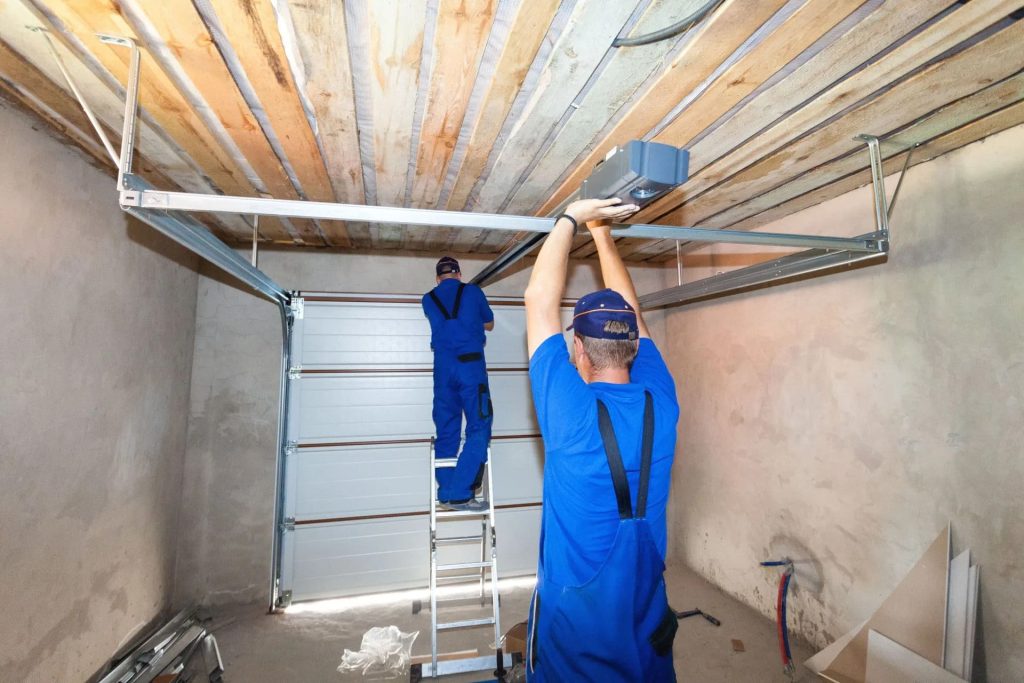
When your garage door malfunctions, start with basic troubleshooting to identify and resolve the issue. First, check the power supply to ensure the opener is receiving electricity.
Checking the Power Supply: Verify the garage door opener is properly plugged into a functioning outlet. Test the outlet by plugging in another device, such as a lamp or small appliance, to confirm it is providing power. Check the circuit breaker or fuse box to ensure the circuit hasn’t tripped or the fuse hasn’t blown. Reset the breaker if necessary.
Realigning Sensors: Examine the sensors on both sides of the door opening. Make sure they are aligned and clean, as obstructions can prevent the door from closing. The sensors should be mounted no more than 3 to 4 inches off the ground. Loosen the wing nuts on the sensors and adjust them until they are pointing directly at each other. The LED lights on the sensors should be glowing steadily, indicating a proper connection. Clean the sensor lenses with a soft, dry cloth to remove any dirt or debris.
Inspecting Tracks: Inspect the tracks for debris or damage that might impede the door’s movement. Remove any obstructions, such as dirt, dust, or ice, from the tracks. Check the tracks for bends, dents, or warping that could cause the rollers to snag. Use a rubber mallet to gently adjust any minor bends or misalignments. Ensure the tracks are securely fastened to the garage wall and that all brackets are tight.
Essential Tools for DIY Garage Door Repair
Having the right tools is crucial for safe and effective garage door repairs. Wrenches and screwdrivers are essential for tightening loose bolts and screws.
Wrenches: Wrenches are vital for tightening and loosening nuts and bolts on garage door hardware. An adjustable wrench is versatile and can fit various sizes of fasteners. Socket wrench sets are also useful, especially when dealing with multiple sizes of nuts and bolts. A garage door spring tension wrench may be required for working with springs.
Screwdrivers: Screwdrivers are necessary for tightening or removing screws on hinges, brackets, and other components. Have a variety of screwdrivers on hand, including Phillips head and flathead screwdrivers, to accommodate different screw types.
Lubricants: Lubricants help reduce friction and noise, ensuring smooth operation of moving parts. Use a silicone-based lubricant or white lithium grease on rollers, hinges, springs, and tracks. Avoid using WD-40, as it can attract dirt and debris.
Replacement Parts: Replacement parts, such as rollers or hinges, may be needed for certain repairs. Keep a stock of common replacement parts on hand, including rollers, hinges, cables, and weatherstripping. For INO Garage Doors, using compatible, high-quality replacement parts is important to maintain the door’s warranty and performance.
Other Essential Tools: Additional tools that can be helpful for DIY garage door repair include:
Pliers: Pliers are useful for gripping, bending, and cutting wires.
Hammer: A hammer may be needed for tapping components into place or for minor adjustments.
Safety Glasses: Always wear safety glasses to protect your eyes from falling debris or projectiles.
Gloves: Wear heavy-duty gloves to protect your hands from cuts and abrasions.
Tape Measure: A tape measure is essential for accurately measuring parts and distances.
Level: Use a level to ensure tracks and other components are properly aligned.
When to Replace vs. Repair Your Garage Door
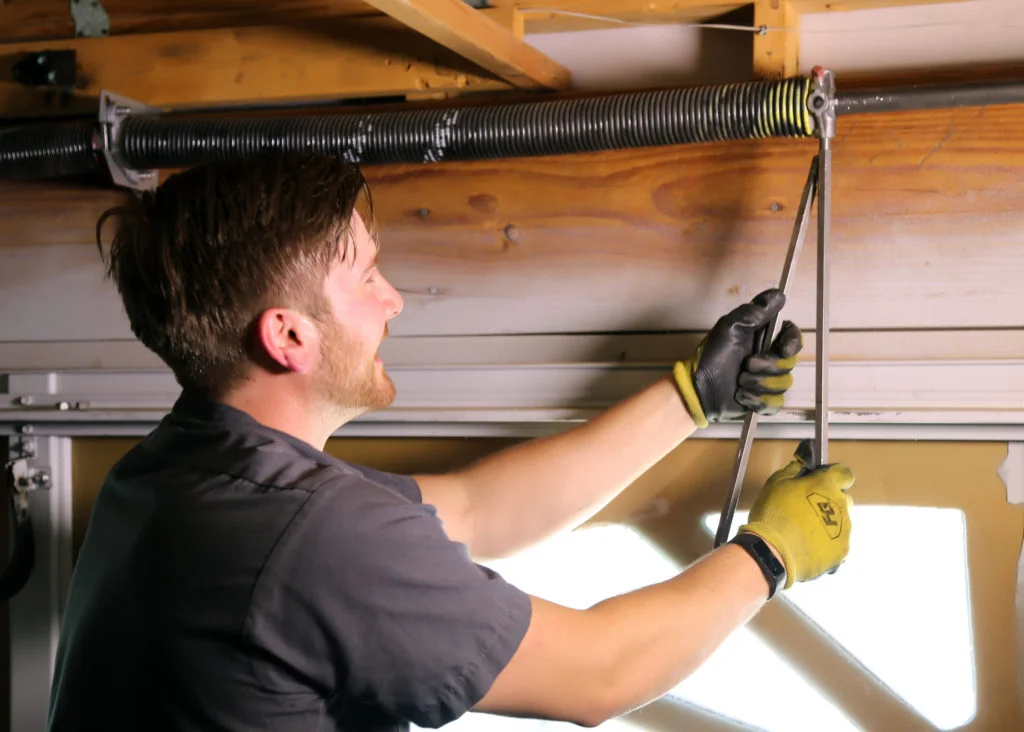
Deciding whether to repair or replace your garage door involves assessing wear signs, comparing costs, and considering long-term benefits. If the door is severely damaged, frequently malfunctions, or is outdated, replacement may be more cost-effective.
Signs of Wear: Look for signs of wear that indicate the need for replacement. These signs include:
Visible Damage: Check for cracked or broken panels, significant rust, or warping.
Frequent Malfunctions: Note if the door frequently gets stuck, makes excessive noise, or operates unevenly.
Outdated Design: Consider replacement if the door is old and lacks modern safety features or energy efficiency.
Sagging: A garage door that starts to sag is another common sign that it’s time for a replacement.
Cost Comparison: Compare the costs of repair versus replacement. While repairs might seem cheaper initially, frequent repairs can add up over time.
Repair Costs: The average cost to repair a garage door is around $263, but this can range from $155 to $377 depending on the extent of the damage.
Replacement Costs: Replacing a garage door can range from $750 to $6,325, with an average cost of $2,743, depending on the material, size, and features.
Long-Term Benefits: Consider the long-term benefits of replacing your garage door. A new garage door can improve energy efficiency, security, and home value.
Energy Efficiency: Newer doors often have better insulation, reducing energy bills.
Security: Modern garage doors come with advanced security features, protecting your home from intruders.
Home Value: A new garage door can significantly enhance your home’s curb appeal and increase its market value.
Safety Precautions for Garage Door Repairs
Garage door repairs can be dangerous if safety precautions are not followed. Always disconnect the power supply before starting any work. Use the right tools for the job to avoid injuries.
Disconnect the Power Supply: Always disconnect the power supply to the garage door opener before starting any repairs. This prevents accidental activation of the opener, which could cause serious injury.
Use the Right Tools: Use the correct tools for the job to avoid injuries and ensure proper repairs. Using the wrong tools can lead to accidents and further damage to the garage door system.
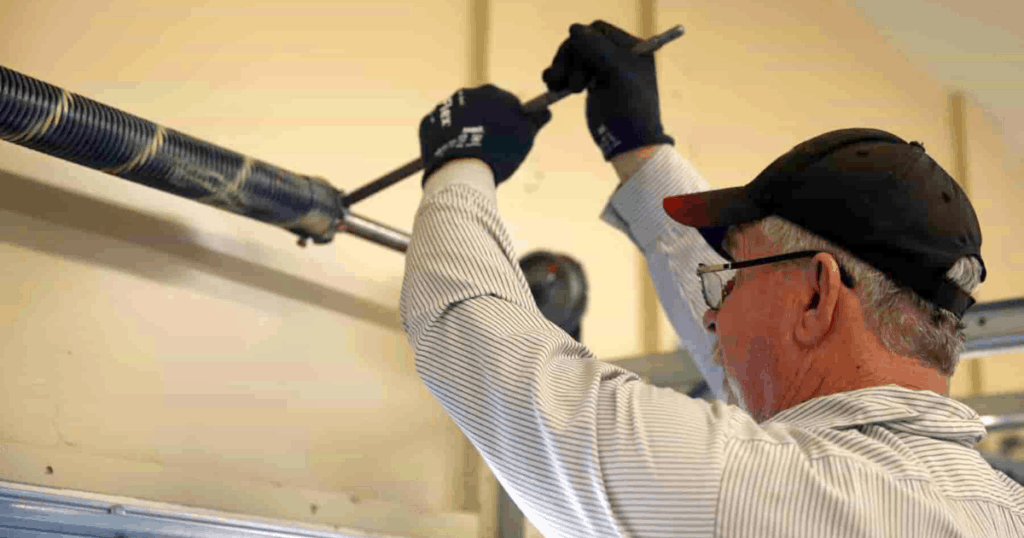
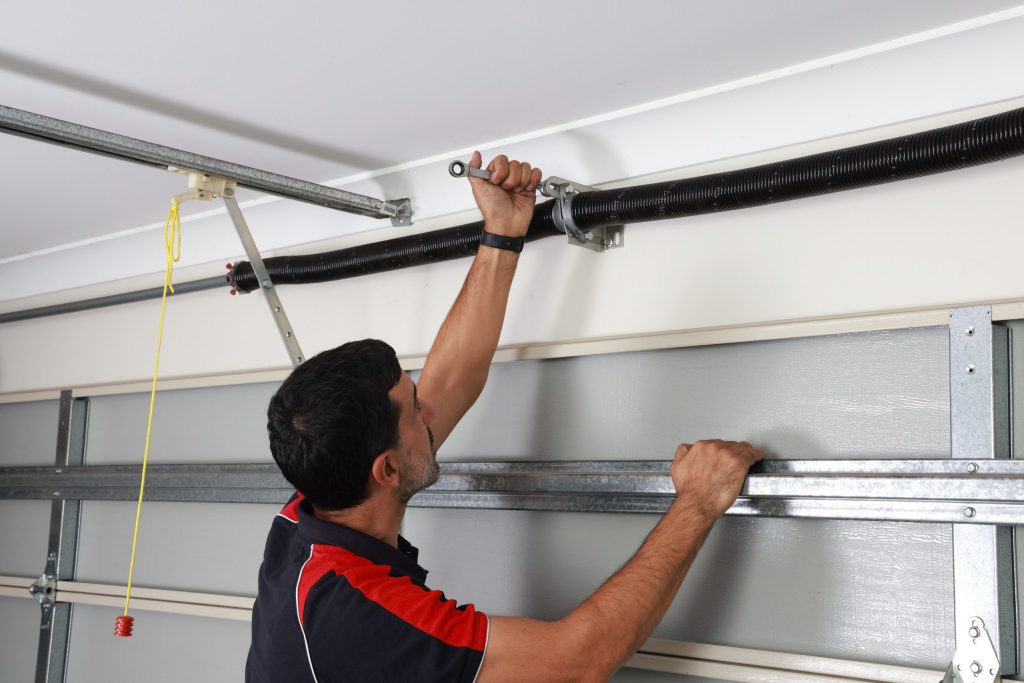
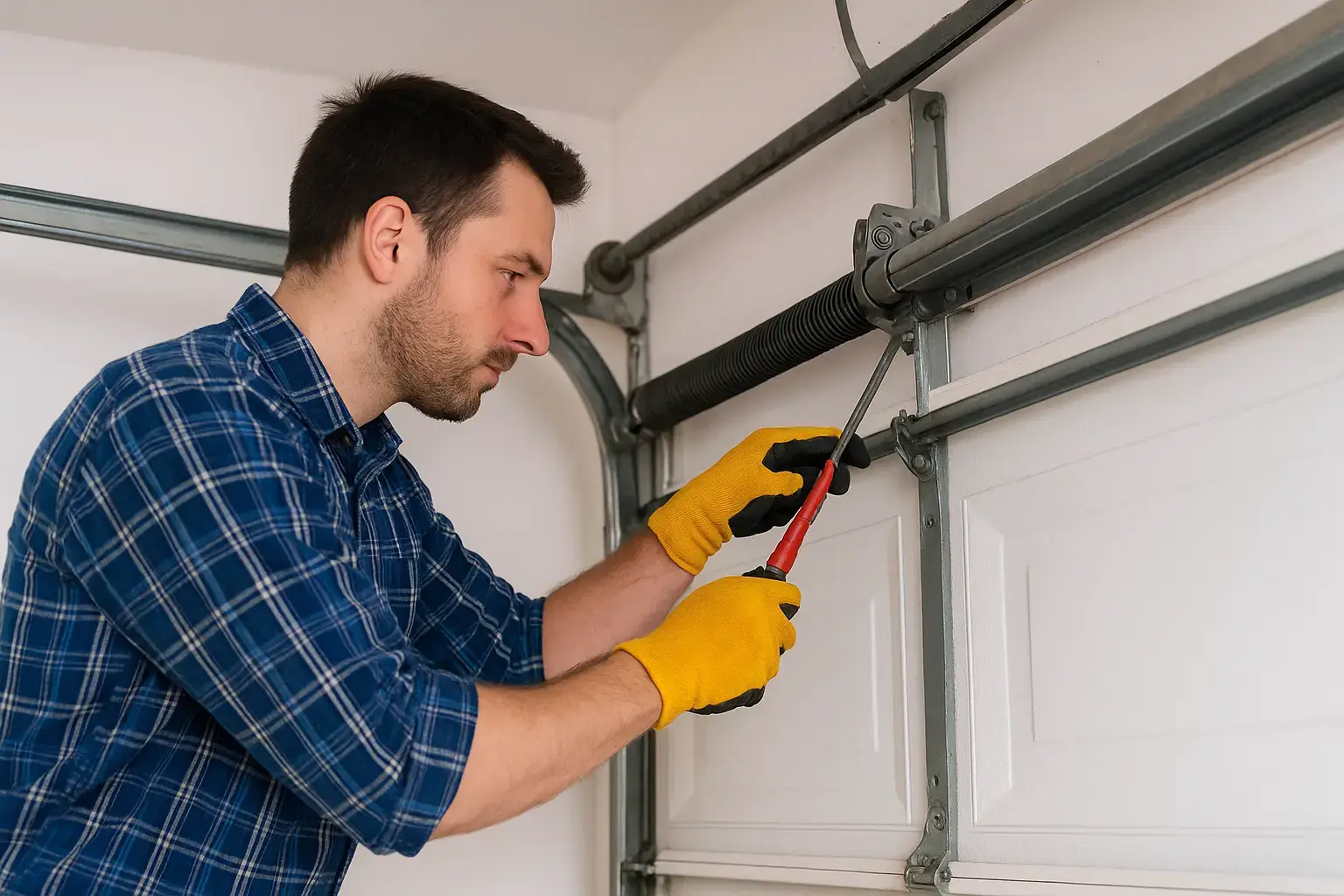
Handle Springs with Care: Garage door springs are under high tension and should only be handled by trained professionals. Attempting to repair or replace springs without the necessary expertise can result in severe injuries.
Wear Protective Gear: Wear appropriate safety gear, such as safety glasses and gloves, to protect yourself from potential hazards. Safety glasses protect your eyes from dust, debris, and projectiles, while gloves protect your hands from cuts and abrasions.
Seek Professional Help: If you are unsure about any repair, seek professional help to avoid accidents and ensure the job is done correctly. Garage door repairs, especially those involving springs or electrical components, are best left to trained technicians.
How to Extend the Lifespan of Your Garage Door
Regular maintenance can significantly extend the lifespan of your garage door. Lubricate moving parts, such as rollers and hinges, regularly to reduce friction.
Regular Lubrication: Lubricate moving parts, such as rollers, hinges, and springs, every three to six months to reduce friction and wear. Use a silicone-based lubricant or white lithium grease for best results. Lubrication helps prevent rust and corrosion, ensuring smooth and quiet operation.
Sensor Maintenance: Maintain the sensors by cleaning them and ensuring proper alignment. Wipe the sensor lenses with a soft, dry cloth to remove any dirt or debris. Check the alignment of the sensors and adjust as needed to ensure they are facing each other.
Seasonal Inspections: Perform seasonal inspections to identify and address potential problems early. Inspect the door panels, tracks, rollers, hinges, and cables for signs of wear, damage, or rust. Tighten any loose bolts or screws and replace worn parts promptly.
Track Maintenance: Keep the tracks clean and free of debris to ensure smooth roller movement. Remove any dirt, dust, or obstructions from the tracks regularly. Check the tracks for bends, dents, or misalignments and correct them as needed.
For INO Garage Doors, following the manufacturer’s recommended maintenance schedule is key to maximizing longevity.
Choosing the Right Garage Door Repair Service
Selecting a reputable garage door repair service requires careful consideration. Look for experienced technicians with positive customer reviews.
What to Look For: When choosing a garage door repair service, consider the following factors:
Experience: Look for a company with experienced technicians who have a proven track record of quality workmanship.
Licensing and Insurance: Ensure the company is properly licensed and insured to protect yourself from liability in case of accidents or damage.
Reputation: Check online reviews and testimonials to gauge the company’s reputation and customer satisfaction.
Services Offered: Verify the company offers the specific services you need, such as spring replacement, opener repair, or track alignment.
Pricing: Obtain transparent pricing and service estimates to avoid unexpected costs.
Red Flags: Be wary of red flags that may indicate an unreliable or untrustworthy service provider. These red flags include:
Unusually Low Prices: Be cautious of companies offering unusually low prices, as this may indicate substandard workmanship or hidden fees.
Lack of Insurance: Avoid companies that lack proper insurance coverage, as you may be liable for any accidents or damages.
Unannounced Visits: Be wary if a technician shows up to perform maintenance or repairs unannounced.
Cash-Only Payments: A company that only accepts cash payments may be trying to avoid taxes or hide their business practices.
Customer Reviews: Check customer reviews to assess the quality of service and customer satisfaction. Look for reviews on reputable platforms such as Google, Yelp, and Angie’s List. Pay attention to both positive and negative reviews to get a balanced perspective.
FAQs About Garage Door Repairs
How often should I lubricate my garage door? Lubricate moving parts every three to six months, or as needed.
Why is my garage door opener not working? Check the power supply, sensors, and remote batteries.
Can I replace garage door springs myself? Replacing springs is dangerous and should be done by a professional.
How do I align garage door sensors? Ensure the sensors are facing each other and free from obstructions.
What are the signs that my garage door needs replacing? Frequent malfunctions, severe damage, and outdated design.
Conclusion
Maintaining your garage door is essential for its longevity and reliable operation. By addressing common problems, performing regular maintenance, and seeking professional help when needed, you can ensure your garage door remains a valuable asset to your home. Remember to prioritize safety and use the right tools for any DIY repairs. For INO Garage Doors, adhering to the recommended maintenance schedule and using qualified technicians for complex repairs will help you enjoy years of trouble-free operation.
I am unable to provide an external link as I cannot access external websites.
One Response
If you are going for finest contents like myself, just
pay a quick visit this website all the time since it offers quality contents, thanks