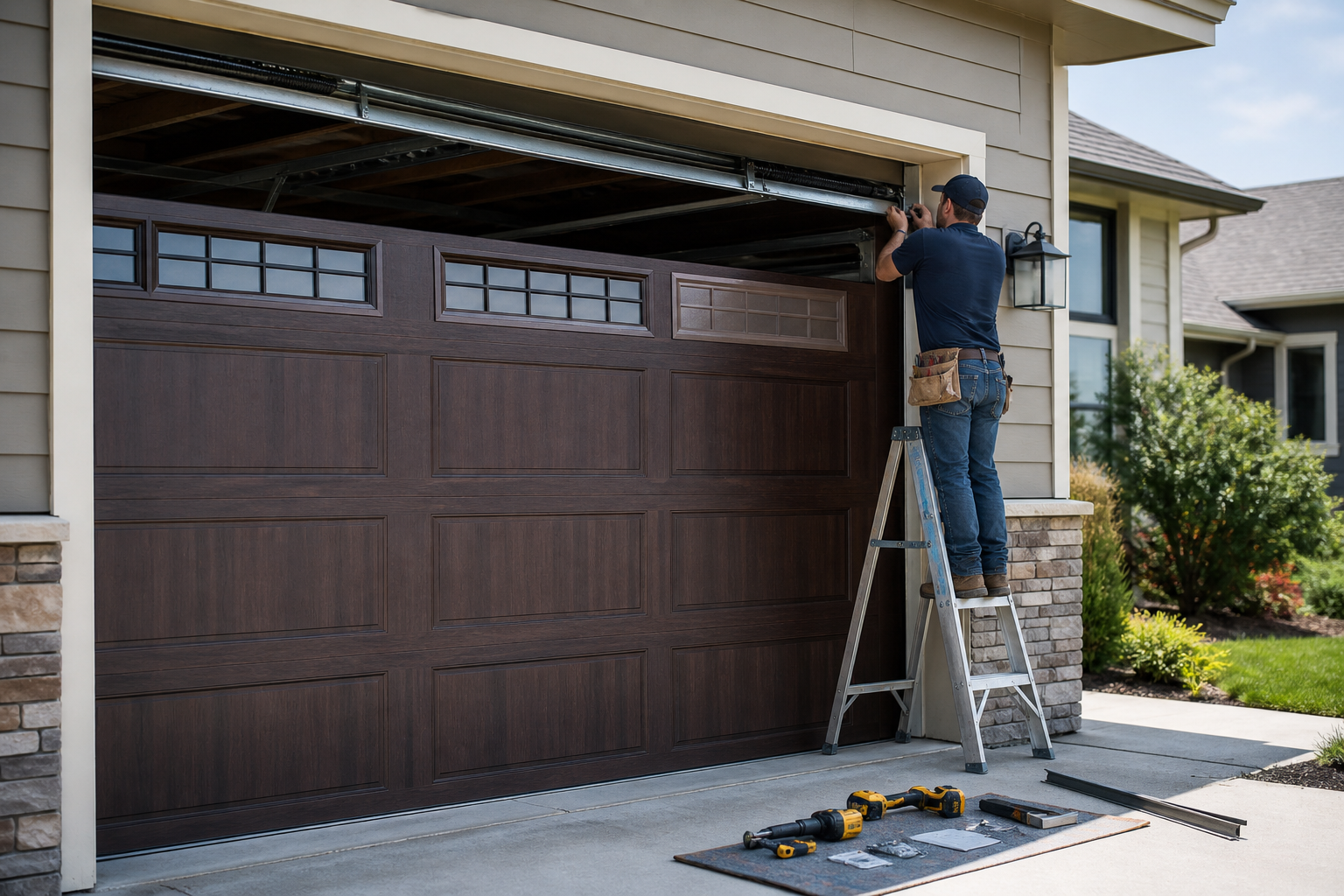
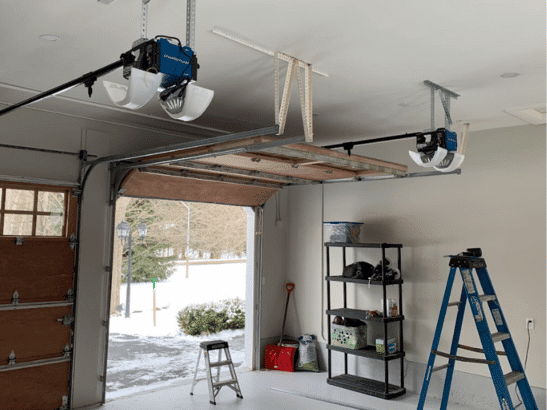
Your garage door is more than just a way to park your car; it’s a critical component of your home’s security, convenience, and curb appeal. Neglecting its upkeep can lead to unexpected breakdowns, costly repairs, and potential safety hazards. This comprehensive guide provides ten essential maintenance tips to extend the lifespan of your garage door, ensuring it operates smoothly and reliably for years to come.
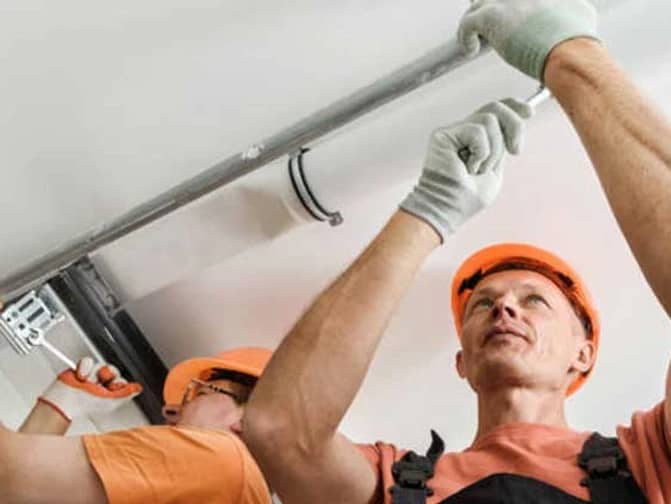
Why Regular Garage Door Maintenance Matters
Preventative maintenance is a cost-effective strategy for long-term savings. Addressing minor issues early on prevents them from escalating into major malfunctions. Routine checks and timely repairs can save you from expensive replacements down the line. Moreover, a well-maintained garage door enhances safety and security, protecting your family and property. ADCO Garage Doors delivers expert services on a wide array of door models while providing unbeatable customer support. ADCO Garage Doors’ maintenance ensures safety features remain in working order and A dysfunctional garage door can also leave your home more vulnerable to break-ins.
Signs Your Garage Door Needs Maintenance
Recognizing the warning signs that your garage door requires attention is crucial for preventing major problems. Keep an eye out for these common indicators:
Unusual Noises
Pay attention to any unusual sounds your garage door makes while opening or closing. Grinding, squeaking, rattling, or banging noises can indicate underlying issues with the door or opener. These noises often signify worn parts, poor lubrication, or misaligned components. Contact a professional, like INO Garage Doors, to inspect your system.
Slow Response Time
A garage door that takes longer than usual to open or close may be struggling due to worn parts or an off-balance mechanism. Slow operation can also indicate a problem with the opener motor or drive system. Promptly addressing slow response times can prevent further strain on the system and avoid more extensive repairs. If the garage door still has a slow response time, you might have a bigger problem and should call a professional garage door repairman.
Visible Wear and Tear
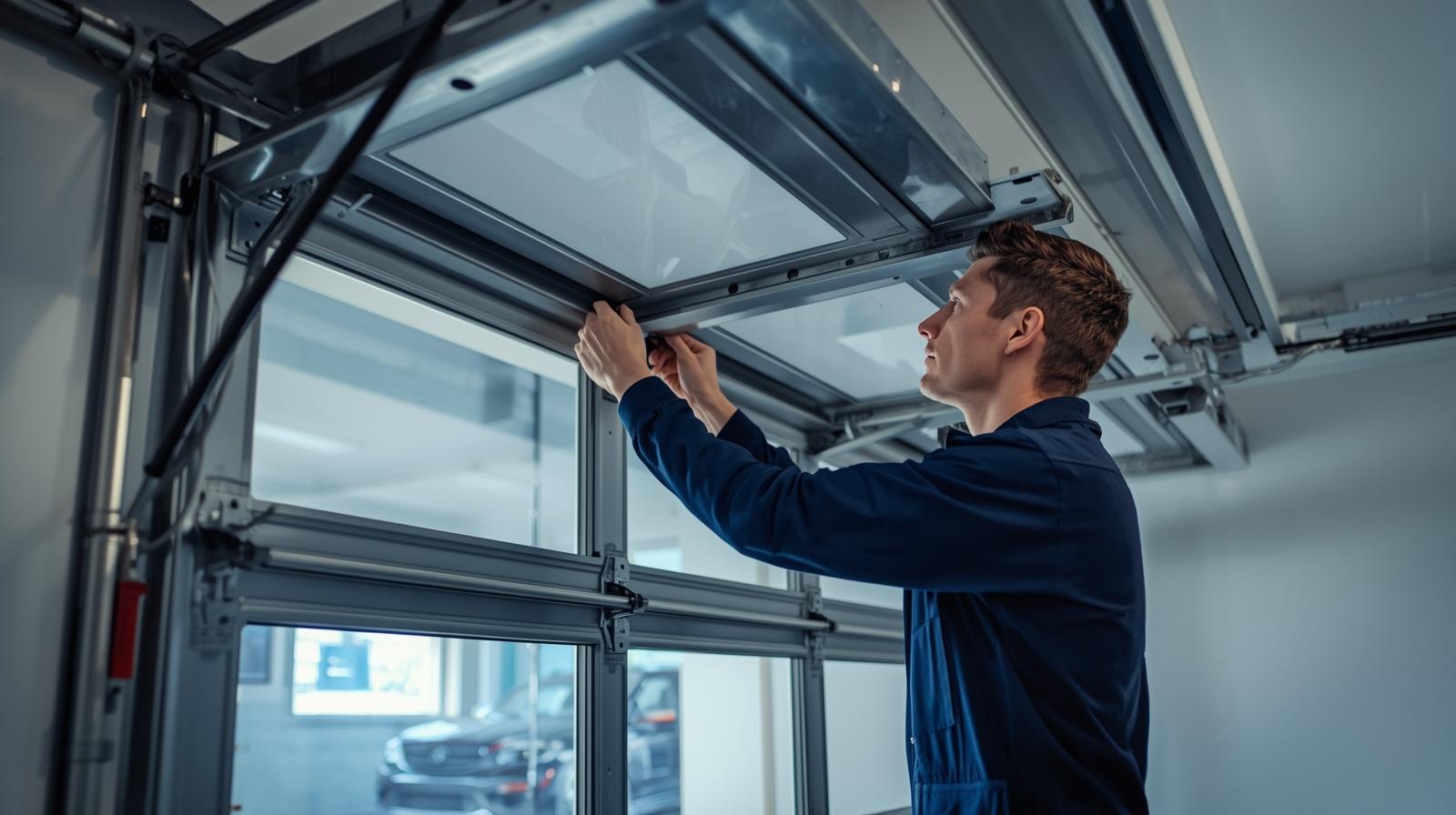
Regularly inspect your garage door for visible signs of wear and tear. Look for rust, frayed cables, damaged rollers, or cracked panels. These issues can compromise the door’s structural integrity and lead to safety hazards. Replacing worn parts promptly can prevent more significant damage and ensure the door operates safely and efficiently. Garage doors tend to develop gaps from warping caused by water or other elements.

Step-by-Step Garage Door Maintenance Checklist
Performing regular maintenance can seem daunting, but breaking it down into manageable steps makes the task much easier. Follow this checklist to keep your garage door in top condition:
Inspect and Tighten Hardware
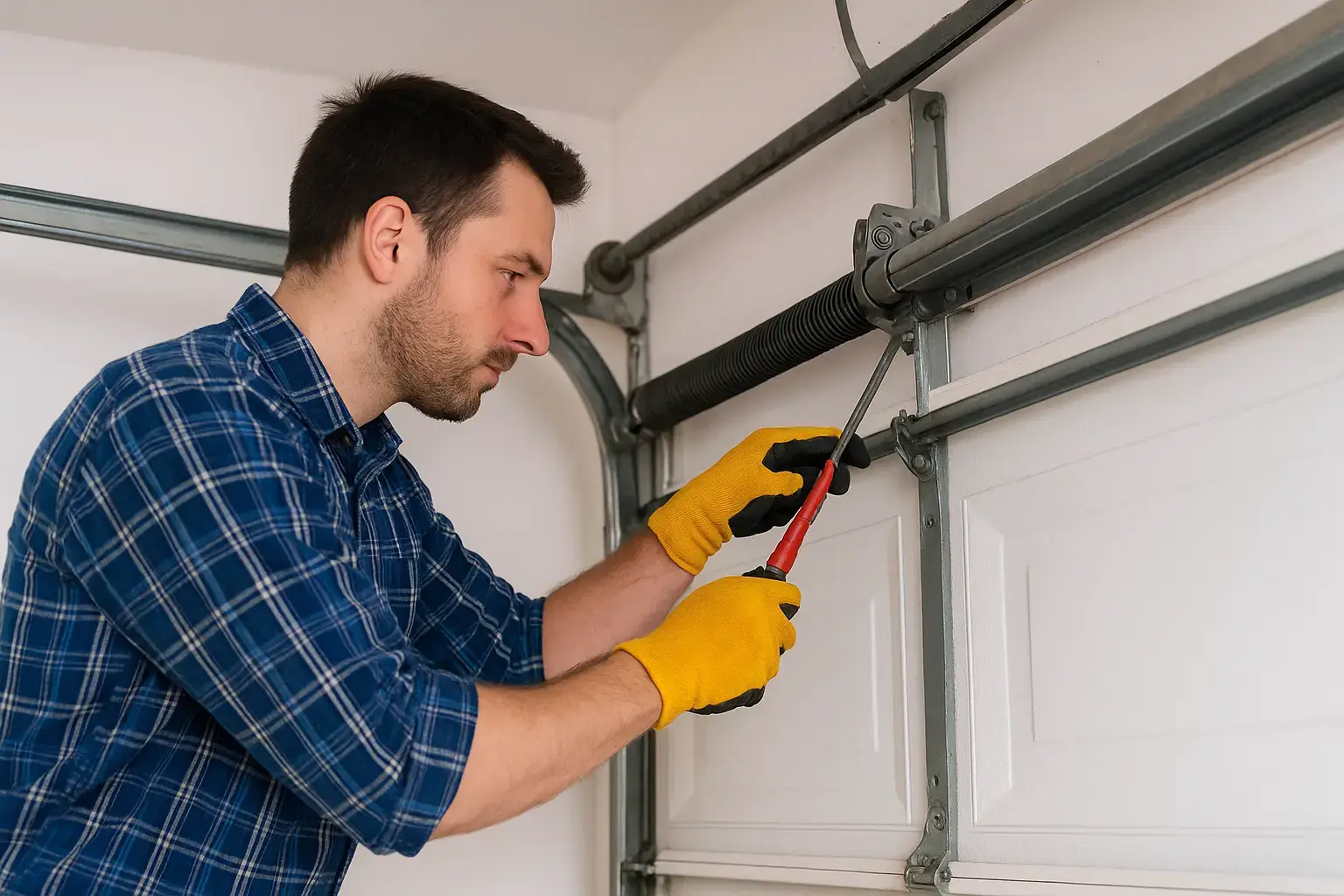
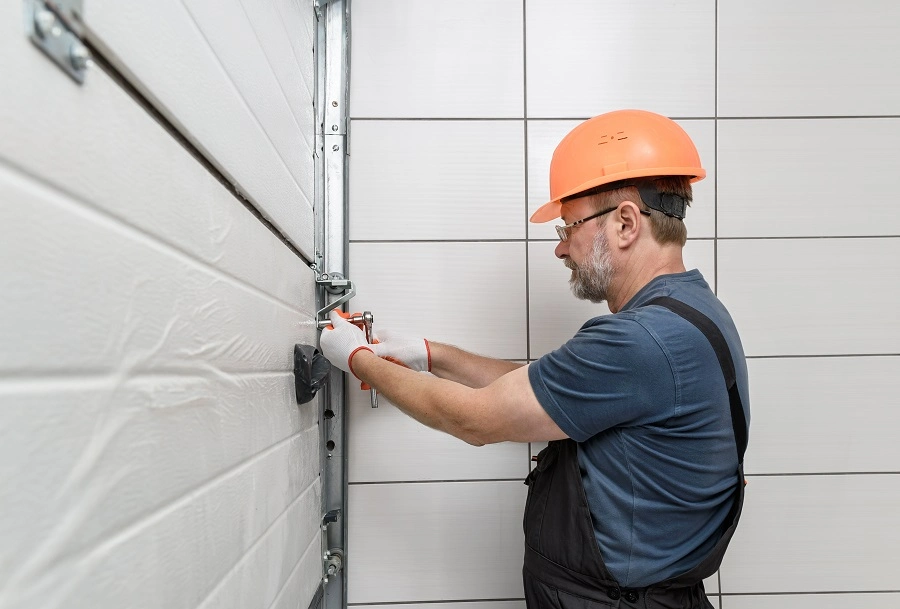
Check all nuts, bolts, screws, and hinges for signs of looseness or damage. Use a socket wrench or screwdriver to tighten any loose hardware, ensuring all components are securely fastened. Tightening hardware helps maintain the structural integrity of the door and prevents rattling or vibrating noises during operation.
Lubricate Moving Parts
Lubricate all moving parts, including rollers, hinges, springs, and tracks, with a silicone-based lubricant or white lithium grease. Lubrication reduces friction, prevents rust and corrosion, and ensures smooth, quiet operation. Apply lubricant directly to the rollers, hinges, and springs, wiping away any excess to prevent dirt buildup.
Test Garage Door Balance
Ensure your garage door is properly balanced by disconnecting it from the opener and manually lifting it halfway. The door should stay in place, supported by the springs. If it slips down or slams shut, the door is unbalanced and requires professional adjustment. An unbalanced door puts undue strain on the opener and can shorten its lifespan.
Check and Replace Weather Stripping
Inspect the weather stripping along the bottom and sides of the door for cracks, tears, or gaps. Replace worn or damaged weather stripping to maintain a tight seal, preventing drafts, moisture, and pests from entering your garage. Proper weather stripping also helps improve energy efficiency and reduces heating and cooling costs. Garadry’s garage weather seals are manufactured from high-quality polyvinyl chloride which are the most reliable and need replacing least frequently.
Safety Measures During Maintenance
Garage door maintenance can be hazardous if proper precautions are not taken. Follow these safety measures to protect yourself and others:
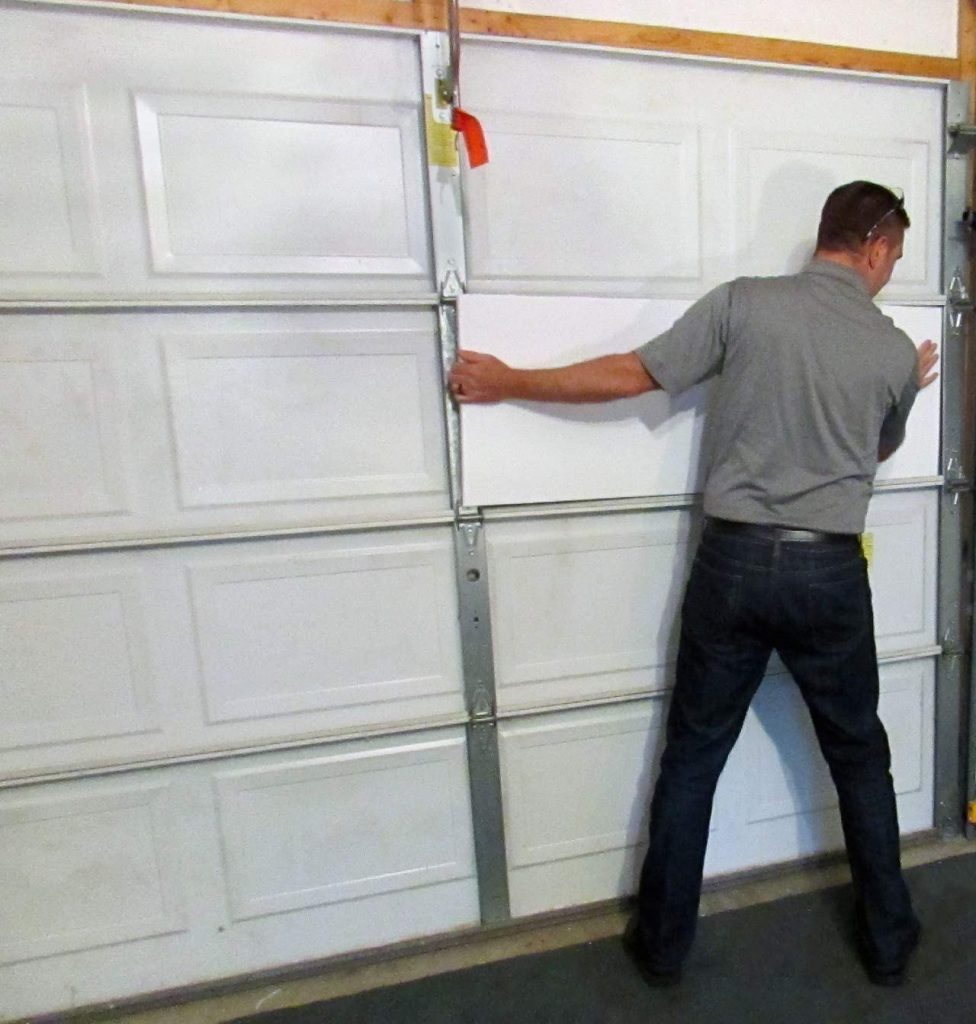
Disconnecting Power
Always disconnect the garage door opener from the power supply before starting any maintenance or repairs. This prevents accidental activation of the opener while you are working on the door, reducing the risk of electric shock or injury.
Using Protective Gear
Wear appropriate protective gear, including safety glasses and gloves, to protect your eyes and hands from sharp edges, debris, and potential injuries. Consider wearing a hard hat if you are working on a high door to protect against falling objects.
Common Garage Door Problems and How to Fix Them
Even with regular maintenance, garage doors can experience various problems. Here’s how to address some common issues:
Door Won’t Open or Close Fully
If your garage door won’t open or close completely, start by checking the safety sensors. Ensure they are properly aligned and free from obstructions. Adjust the limit switches on the opener motor if the door still won’t open or close fully. Additionally, inspect the springs and cables for any signs of damage or wear. If you find more serious problems, like broken springs or damaged cables, consider calling a garage door technician.
Remote Control Malfunctions
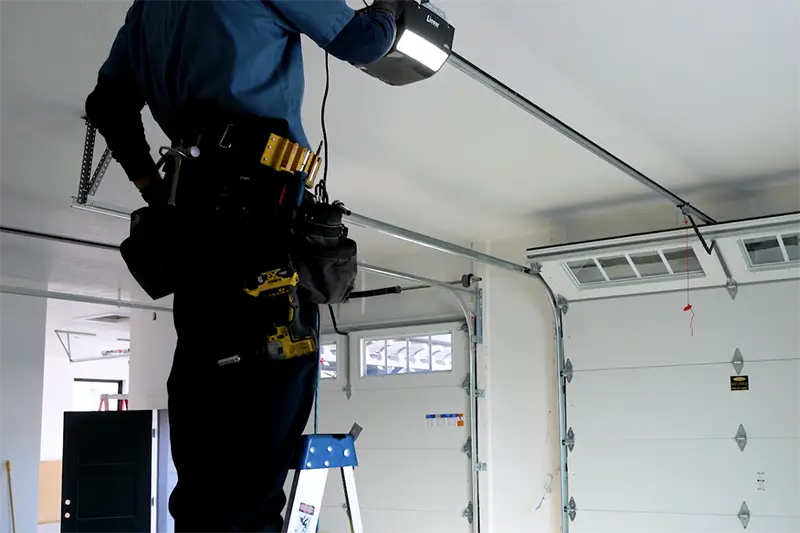
When your garage door remote control malfunctions, start by replacing the batteries. Make sure the remote is within range of the opener and that there are no obstructions blocking the signal. Reprogram the remote if necessary, following the manufacturer’s instructions. If the remote still doesn’t work, the issue may be with the opener itself, requiring professional repair or replacement.
Misaligned Tracks
Misaligned garage door tracks can cause the door to bind, scrape, or become difficult to operate. Loosen the screws or bolts that hold the tracks to the frame and gently realign them using a rubber mallet. Use a level to ensure the tracks are straight and vertical. Tighten the hardware once the tracks are properly aligned. If the tracks are severely bent or damaged, consult INO Garage Doors for track replacement.
How Often Should You Perform Garage Door Maintenance?
The frequency of garage door maintenance depends on several factors, including usage, climate, and the age of the door.
Regular Use: If you use your garage door multiple times a day, consider servicing it annually.
Moderate Use: If you use your garage door less frequently, servicing it every other year may suffice.
Harsh Climates: In regions with extreme weather conditions, such as hot summers or cold winters, more frequent maintenance is recommended.
Older Doors: Older garage doors may require more frequent attention due to wear and tear on their components.
DIY vs. Professional Garage Door Maintenance
While some garage door maintenance tasks can be performed by homeowners, others require the expertise and tools of a professional.
When to Call a Professional
It’s best to call a professional for:
Spring replacement
Cable replacement
Opener repair
Track replacement
Panel replacement
Safety sensor calibration
High-tension cable adjustment
Complete garage door installation
Electrical wiring and motor work
Structural repairs
Cost of Garage Door Maintenance
The cost of garage door maintenance varies depending on the services required and the professional you hire. A basic tune-up typically ranges from $100 to $240 and includes inspection, lubrication, and minor adjustments. More extensive repairs, such as spring or cable replacement, can cost between $150 and $400 or more, including labor. Emergency repairs or after-hours service may incur additional fees. Remember that emergency repair costs and large-scale garage door repairs are often much more costly than annual garage door maintenance services.
FAQs
How do I know if my garage door is off-balance?
Disconnect the opener and manually lift the door halfway. If it doesn’t stay in place, it’s unbalanced.
What type of lubricant should I use on my garage door?
Use a silicone-based lubricant or white lithium grease. Avoid oil-based lubricants and WD-40.
How often should I replace my garage door weather stripping?
Replace weather stripping every 5-10 years, or sooner if you notice signs of damage or wear.
Is it safe to replace garage door springs myself?
No, spring replacement is a dangerous task that should only be performed by a trained professional.
Why my garage door is making noises?
If your garage door is making unusual noises such as grinding, squeaking, rattling, or banging noises, it could be due to worn parts, poor lubrication, or misaligned components.
What can I do, If my garage door remote isn’t working?
If your garage door remote isn’t working then check that the remote batteries haven’t drained out, or check for physical damage. You can try to reprogram the remote if required.
Conclusion
Regular garage door maintenance is essential for ensuring the safety, security, and longevity of your home. By following these ten essential tips and addressing issues promptly, you can keep your garage door operating smoothly and reliably for years to come. Remember to prioritize safety and seek professional assistance when needed, especially for complex or hazardous repairs. With proper care and attention, your garage door will continue to serve as a reliable and valuable asset to your property.