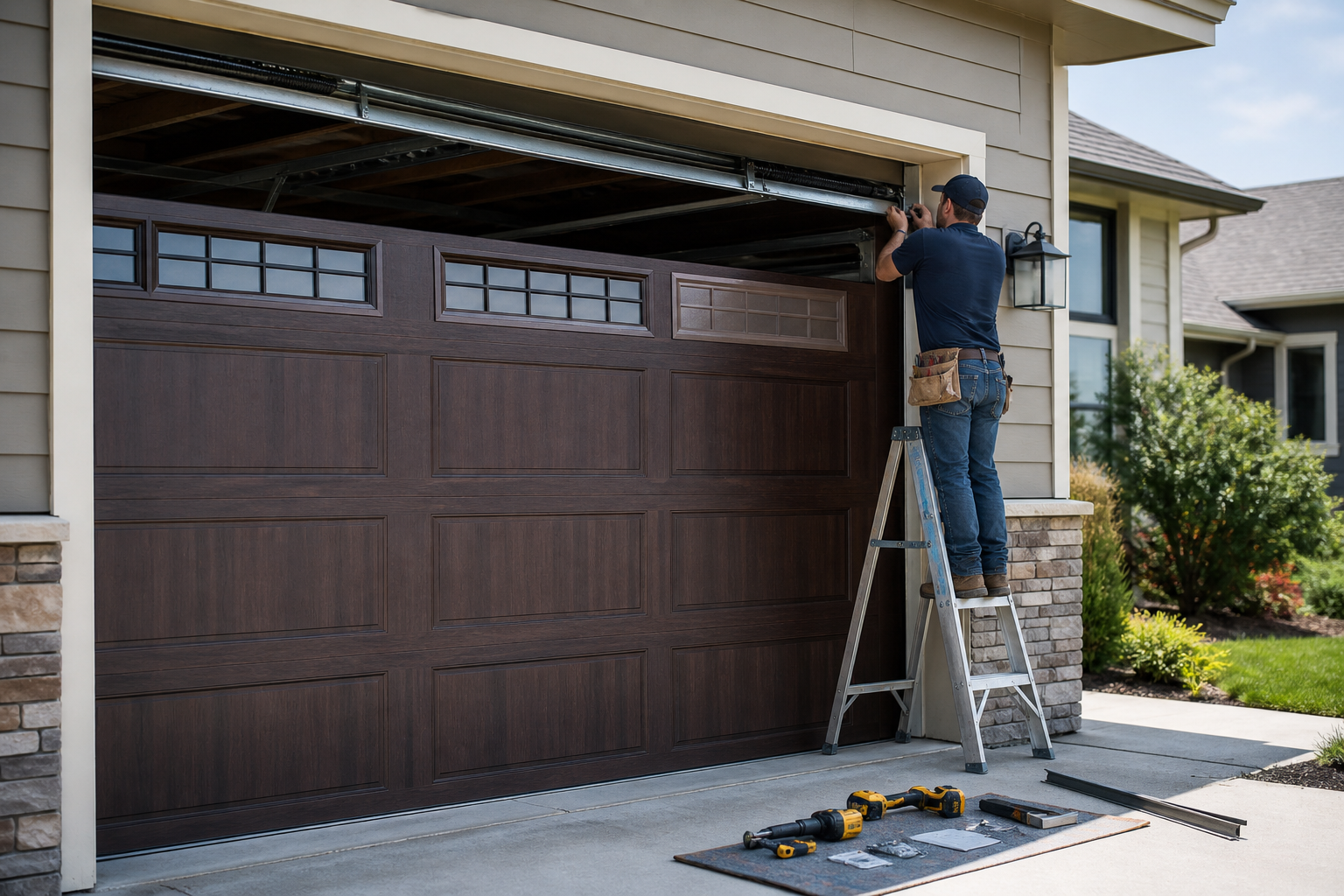
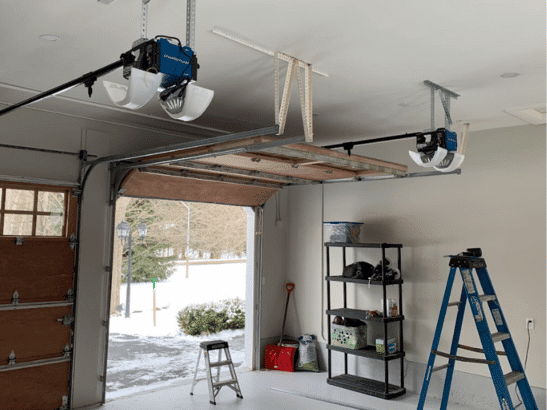
Your garage door is more than just an entry point; it’s a critical component of your home’s security, energy efficiency, and curb appeal. A well-installed garage door safeguards your vehicles and belongings and contributes to your home’s overall aesthetic. Whether you’re upgrading an existing structure or building a new home, choosing the right garage door and ensuring it’s installed correctly is paramount.
Investing in a new garage door offers numerous benefits, including enhanced security, improved energy efficiency, and increased home value. A modern, well-insulated door can significantly reduce energy costs by regulating the temperature inside your garage, making it a more comfortable and usable space. Additionally, a stylish and functional garage door can dramatically enhance your home’s curb appeal, impressing potential buyers and leading to a quicker sale.
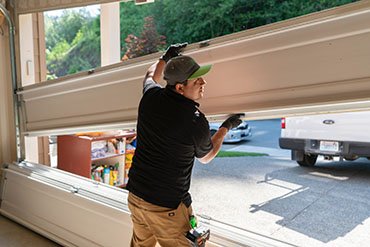
Choosing the Right Garage Door Installation Guide
Selecting the perfect garage door involves considering various factors, from the type of door to the material and insulation. Understanding these options will help you make an informed decision that aligns with your specific needs and preferences.
Types of Garage Doors
Different garage door styles offer unique benefits and aesthetics, catering to a variety of architectural designs and functional requirements.
Sectional Garage Doors
Sectional garage doors are composed of horizontally-oriented panels connected with hinges. These doors roll up vertically along tracks, providing space-saving convenience and a sleek appearance. They are available in various materials and designs, making them a versatile choice for many homes.
Roll-Up Garage Doors
Roll-up garage doors, also known as rolling sheet doors, consist of a single, flexible sheet that coils up into a drum above the opening. These doors are durable, require minimal maintenance, and are ideal for both commercial and residential applications where headroom is limited.
Slide-to-the-Side Garage Doors
Slide-to-the-side garage doors operate by sliding horizontally along the garage wall. This type of door is an excellent solution for garages with limited ceiling space or obstructions. They are easy to operate and offer a unique, modern look.
Side-Hinged Garage Doors
Side-hinged garage doors swing outward from the center, similar to traditional barn doors. These doors offer a classic, timeless appeal and are particularly suitable for garages with obstructions or limited headroom. They are available in both manual and automated options.
Tilt-Up Canopy Garage Doors
Tilt-up canopy garage doors feature a single panel that tilts upward and outward to form a canopy. This type of door provides a simple, elegant design and can be customized with various materials and finishes. They are available in both motorized and manual versions.
Tilt-Up Retractable Garage Doors
Tilt-up retractable garage doors also feature a single panel, but instead of forming a canopy, the door retracts fully into the garage. These doors are typically automated and require more headroom than canopy doors. They offer a clean, streamlined appearance and enhanced security features.
Material Options
The material of your garage door impacts its durability, maintenance requirements, and overall aesthetic. Consider the following options when making your selection. INO Garage Doors offers all the below mentioned garage doors.
Steel
Steel garage doors are a popular choice due to their affordability, durability, and low maintenance. They can be insulated for energy efficiency and are available in various styles and colors. Steel doors provide excellent security and can withstand harsh weather conditions.
Wood
Wood garage doors offer a timeless, classic aesthetic and can be customized to match any home style. They require more maintenance than other materials, including regular painting or staining, to protect against rot and weather damage. Wood doors provide natural insulation and can add significant value to your home.
Aluminum
Aluminum garage doors are lightweight, rust-resistant, and offer a modern, sleek look. They are available with glass panels for maximum light infiltration and can be customized with various colors and finishes. Aluminum doors are a good option for coastal areas due to their resistance to corrosion.
Fiberglass
Fiberglass garage doors are durable, lightweight, and resistant to moisture and corrosion. They can be molded to mimic the look of natural wood, offering the aesthetic appeal without the maintenance. Fiberglass doors are also energy-efficient, providing good insulation.
Vinyl
Vinyl garage doors are known for their exceptional thermal efficiency, durability, and low maintenance. They are resistant to dents, rust, and fading, making them an ideal choice for harsh climates. Vinyl doors also offer good sound absorption, reducing exterior noise.
Insulation and Energy Efficiency
Insulating your garage door can significantly improve your home’s energy efficiency and comfort. An insulated door helps regulate the temperature inside the garage, reducing heat transfer and air infiltration. This can lead to lower energy bills and a more comfortable living space, especially if your garage is attached to your home. For optimal energy efficiency, it is recommended to choose a garage door with an insulation R-value of 10 or higher.
Tools and Materials Needed for Installation
Installing a garage door requires specific tools and materials to ensure a safe and successful process. Here’s a list of essential items to have on hand.
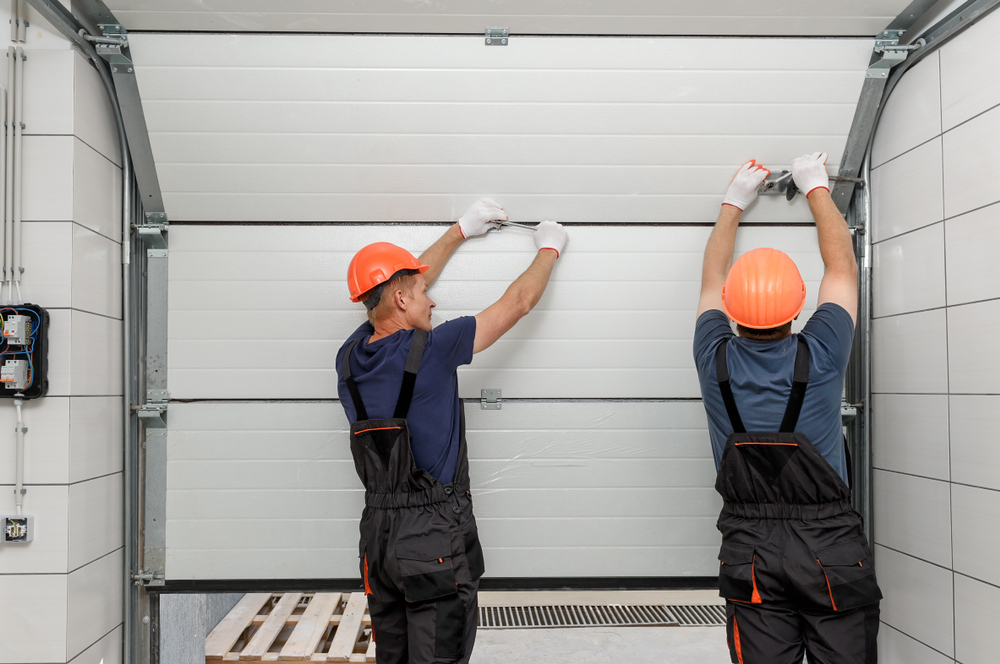
List of Essential Tools
- Level
- Safety glasses
- Adjustable locking pliers
- Winding bars
- Leather gloves
- Screwdrivers
- Adjustable wrench
- Socket or ratchet set
- Measuring tape
- Ladders
- Clamps
- Power drill
- Drill bits
- Hammer
- Wrenches
Safety Precautions
Garage door installation can be dangerous due to the heavy components and high-tension springs involved. To ensure your safety, follow these precautions:
Wear safety glasses and gloves to protect your eyes and hands.
Disconnect the power to the garage door opener to prevent accidental activation.
Use locking pliers and clamps to secure the door and springs while working on them.
Never attempt to adjust or repair the springs unless you have the proper tools and experience.
Enlist the help of a friend or family member to assist with lifting and positioning heavy components.
Preparing for Installation
Proper preparation is key to a smooth and successful garage door installation. This includes accurately measuring the garage opening, safely removing the old door, and ensuring the frame is aligned and level.
Measuring the Garage Opening
Accurate measurements are crucial to ensure your new garage door fits properly. Follow these steps to measure your garage opening correctly:
Measure the Width: Measure the distance between the right and left sides of the finished opening at its widest point. Add an extra inch on each side for safety.
Measure the Height: Measure the distance from the floor to the top of the garage door opening.
Measure Sideroom: Measure the width of the areas on the left and right sides of the garage door opening.
Measure Headroom: Measure the distance from the top of the garage door opening to the ceiling.
Measure Backroom: Measure the distance from the garage door opening toward the back wall of the garage. Ensure you have enough backroom for the door to open fully.
Removing the Old Garage Door
Removing the old garage door requires careful attention to safety due to the weight and tension of the components. Here’s how to remove an old garage door safely:
Release the Spring Tension: This is the most critical step. For torsion springs, use winding bars to carefully unwind the springs. For extension springs, secure them with locking pliers before disconnecting them.
Disconnect the Opener: Pull the red emergency release handle to disconnect the garage door from the opener.
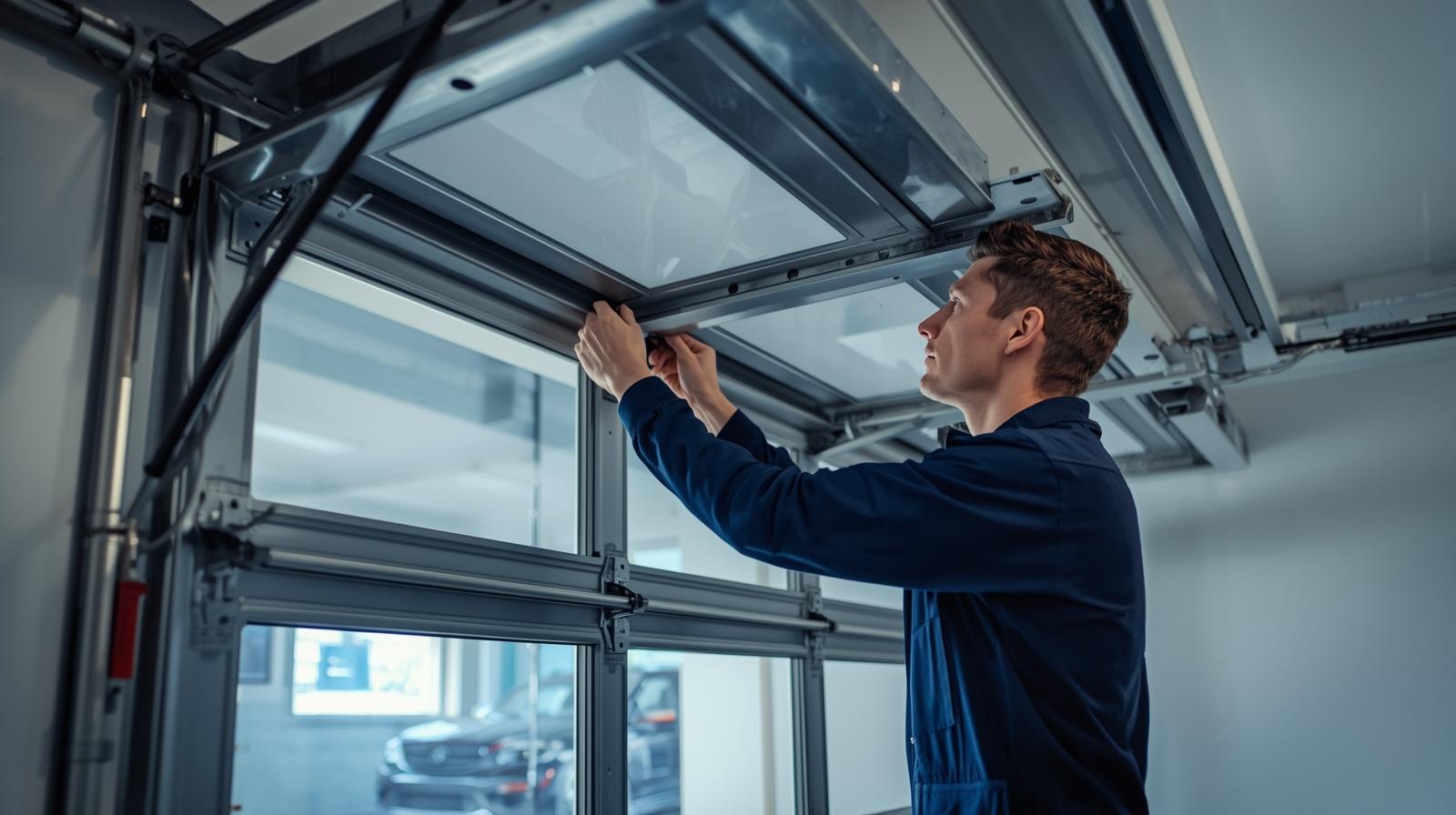
Remove the Door Panels: Starting from the top, remove each door panel by detaching the hinges and rollers.
Detach the Tracks: Use a wrench or socket set to remove the bolts from the brackets and carefully detach them from the doorframe.
Checking the Alignment and Level of the Frame
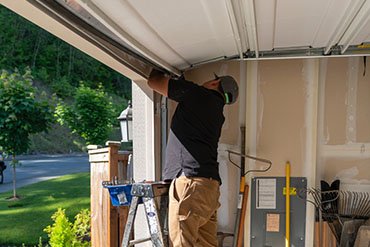
Ensuring the garage door frame is properly aligned and level is essential for smooth door operation. Use a level to check the vertical and horizontal alignment of the frame. If the frame is not level, use shims to adjust and stabilize it. Misalignment can cause the door to bind, wear unevenly, or fail to seal properly.
Step-by-Step Garage Door Installation
With the preparations complete, you can now begin the installation process. Follow these steps for a safe and efficient garage door installation.
Installing the Door Panels
Begin by installing the bottom panel, ensuring it is properly aligned with the frame. Attach the hinges and rollers to the panel, following the manufacturer’s instructions. Repeat this process for each panel, working your way up to the top. For two-car garage doors, use a reinforcing bar along the top panel to prevent bowing.
Setting Up the Tracks and Rollers
Set up the tracks by attaching them to the door frame using the appropriate fasteners. Make sure the tracks are plumb and aligned correctly to ensure smooth roller movement. Insert the rollers into the tracks, ensuring they move freely. Secure the top and bottom axle supports to stabilize the tracks.
Securing the Hinges and Brackets
Secure the hinges to the panels and the brackets to the door frame, using the appropriate screws. For steel end stiles, use self-tapping screws. Ensure all screws are tightly fastened to prevent any movement or instability. The lock slot on the mounting brackets should be downward, and the back cover must be tightened.
Attaching the Spring System
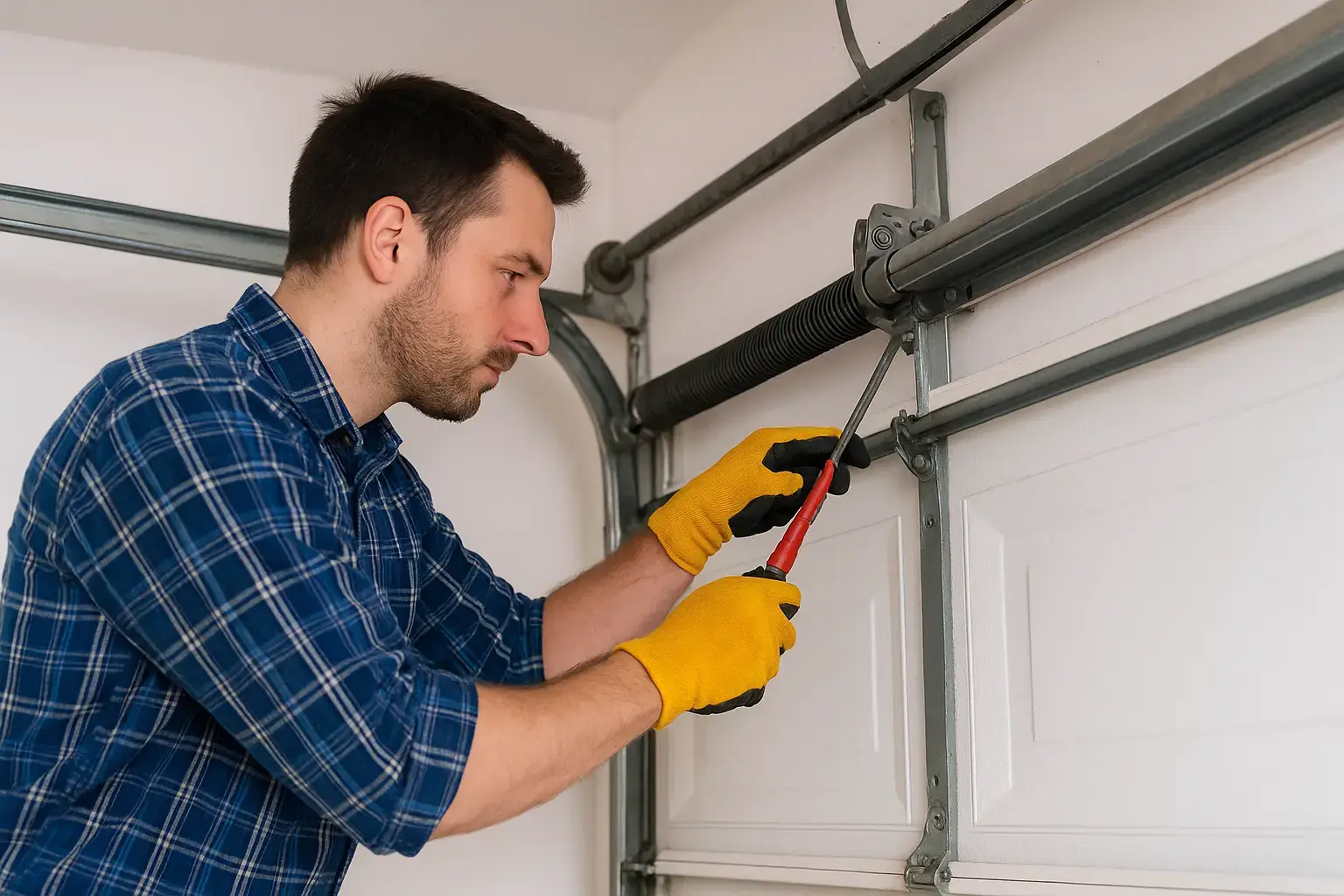
Attaching the spring system requires careful attention to safety due to the high tension involved. Follow these steps to safely attach the spring system:
Attach the Spring Anchors: Assemble all pieces that support the spring and attach them to the track. Securely bolt the springs to the header bracket.
Install the Torsion Rod: Slide the torsion rod into the holes located in the side header brackets. Attach pulleys to each end of the rod.
Connect the Cables: Attach the door cable to the hook on the panel axle support located on the bottom. Attach the bottom bracket to the wall.
Tighten the Springs: Use steel rods to tighten the springs, following the manufacturer’s manual to determine the correct number of turns. Securely tighten all bolts to lock the spring in place and remove the pliers from the torsion rod.
Installing the Garage Door Opener
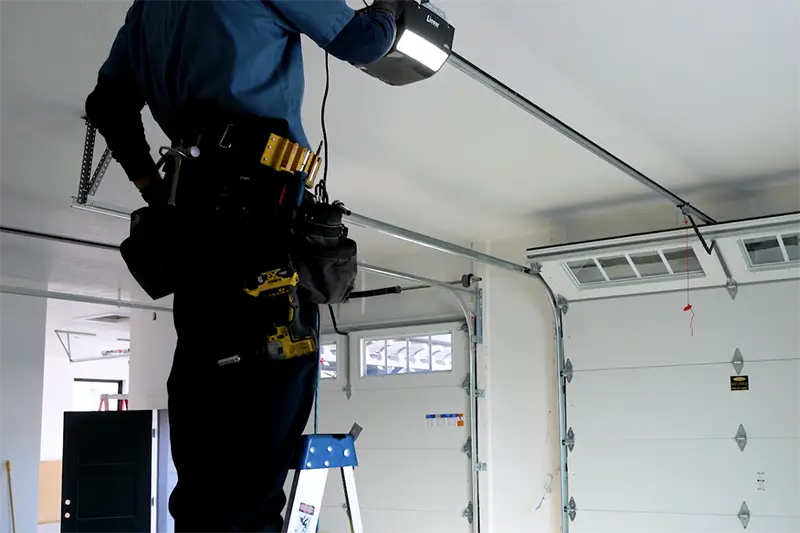
Installing the garage door opener involves mounting the unit, connecting the arm, and setting up the safety features. Follow these steps for a proper installation:
Assemble the Carriage Tube: Assemble the carriage tube and mount it to the front of the power unit.
Mount the Header Bracket: Manually lift the garage door to find the point of highest travel and mark the wall above the door. Line up the bottom edge of the header bracket with this mark and attach it to the wall.
Hang the Power Unit: Hang the power unit from the ceiling using angle irons and metal straps.
Attach the Carriage Arm: Attach the connecting bracket for the carriage arm to the garage door. Attach the carriage arm to the carriage body, using the supplied fasteners to secure it.
Plug in the Safety Device: Mount the safety sensors on each side of the door, ensuring they are aligned and no more than six inches above the ground. Run the sensor wires up the wall and attach them to the power unit.
Testing the Door for Smooth Operation
After installation, thoroughly test the garage door to ensure it operates smoothly and safely. Follow these steps to test the door:
Manual Operation: Disconnect the garage door from the opener and manually lift and lower the door. The door should move smoothly along the tracks without binding or sticking.
Balance Test: Lift the door halfway and release it. The door should stay in place without moving up or down. If the door is not balanced, adjust the spring tension as needed.
Auto-Reverse Test: Place an object in the door’s path and activate the opener. The door should stop and reverse direction when it encounters the obstruction.
Safety Sensor Test: Ensure the safety sensors are functioning correctly by breaking the light beam while the door is closing. The door should immediately stop and reverse direction.
Common Installation Mistakes to Avoid
Even with careful planning, several common mistakes can occur during garage door installation. Being aware of these pitfalls can help you avoid them.
Incorrect Measurements
Inaccurate measurements can lead to a door that doesn’t fit properly, causing operational issues and compromising security. Always measure the garage opening multiple times and account for headroom, side room, and backroom requirements.
Ignoring Safety Precautions
Overlooking safety precautions can result in serious injuries. Always wear safety glasses and gloves, disconnect the power supply, and use proper lifting techniques. Never attempt to adjust the springs without the correct tools and knowledge.
Improper Track Alignment
Misaligned tracks can cause the door to bind, wear unevenly, and operate noisily. Ensure the tracks are plumb, level, and securely fastened to the door frame. Use shims to correct any unevenness and lubricate the tracks for smooth roller movement.
Maintenance Tips for Longevity
Regular maintenance is essential to keep your garage door operating smoothly and extend its lifespan.
Lubrication of Moving Parts
Lubricate all moving parts, including rollers, hinges, springs, and tracks, at least twice a year. Use a silicone-based lubricant to reduce friction and prevent rust.
Checking and Tightening Bolts and Screws
Regularly inspect all bolts, screws, and fasteners to ensure they are tight and secure. Tighten any loose hardware to prevent vibrations and misalignment.
Regular Inspection for Wear and Tear
Conduct visual inspections of your garage door system at least twice a year. Look for signs of wear, rust, or damage on the springs, cables, rollers, and tracks. Address any issues promptly to prevent further damage and ensure safe operation.
When to Call a Professional
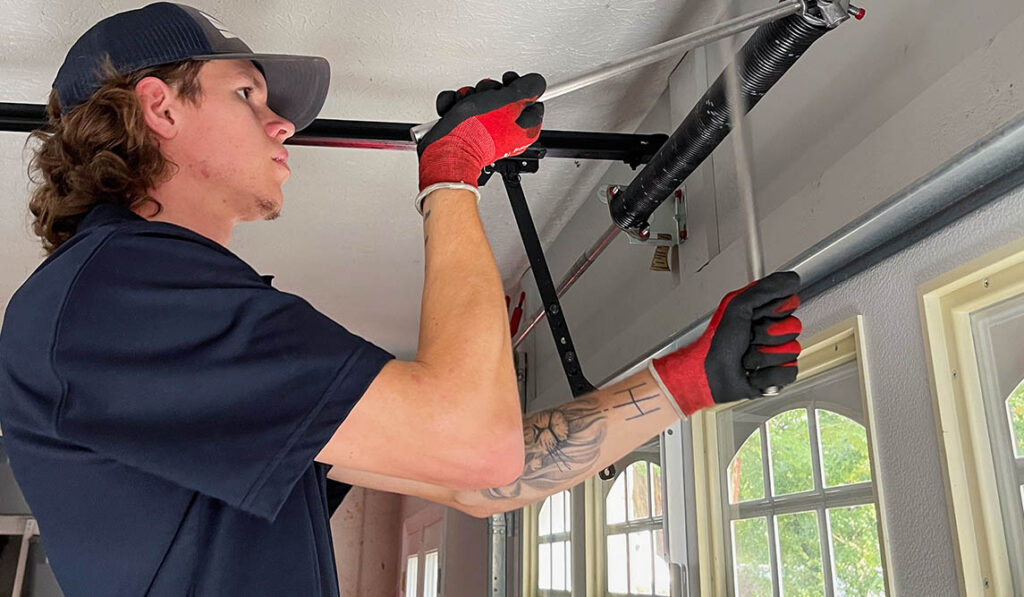
While some garage door tasks can be managed independently, certain situations require the expertise and skills of a professional.
- Signs You Need Expert Installation Help
- The door is difficult to open or close.
- The door makes unusual noises, such as grinding or squealing.
- The door is visibly damaged or sagging.
- The door is not energy-efficient, leading to higher utility bills.
- The garage door is older than 20 years.
Cost vs. Benefits of Hiring a Professional
Hiring a professional for garage door installation offers numerous benefits that often outweigh the initial cost. While DIY installations may seem cost-effective, they can lead to:
Expertise and Experience: Professionals possess the knowledge and skills to ensure a safe and correct installation.
Enhanced Safety: Professionals minimize the risk of injury by handling heavy machinery and electrical wiring properly.
Warranty Protection: Many manufacturers void warranties if a licensed professional does not perform the installation.
Long-Term Savings: Proper installation prevents costly repairs and extends the lifespan of your garage door system.
FAQs
How long does garage door installation take?
A standard garage door installation typically takes between 4 to 6 hours. Factors such as the size and type of door, modifications needed, and weather conditions can affect the duration.
Can I install a garage door by myself?
While it is possible to install a garage door yourself, it is generally not recommended due to the complexity and safety risks involved. Professional installation ensures proper functionality and minimizes the risk of injury or damage.
What is the average cost of garage door installation?
The average cost of garage door installation ranges from $750 to $5,500, depending on factors such as material, size, and features. Professional installation can add between $200 and $500 to the overall cost.
How do I maintain my garage door after installation?
Regular maintenance is crucial for the longevity of your garage door. Key maintenance tasks include lubricating moving parts, checking and tightening hardware, inspecting for wear and tear, and testing safety features.
Is an insulated garage door worth it?
Yes, an insulated garage door is often worth the investment. It can lower energy bills, reduce noise pollution, and stabilize your garage temperature. This is especially beneficial if your garage is attached to your home or used as a living or workspace.
Conclusion
A well-installed garage door is an invaluable asset to any home, providing security, convenience, and enhanced curb appeal. By carefully selecting the right door, following proper installation techniques, and maintaining it regularly, you can ensure its longevity and optimal performance. While DIY installations may seem tempting, the expertise and safety provided by professionals often outweigh the initial cost savings.
INO Garage Doors encourages you to weigh your options carefully and prioritize a high-quality installation for your peace of mind and the long-term value of your home.