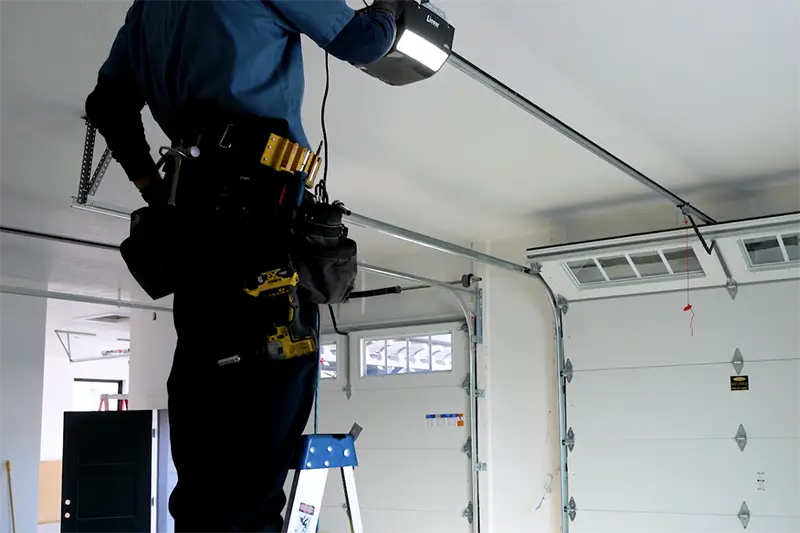
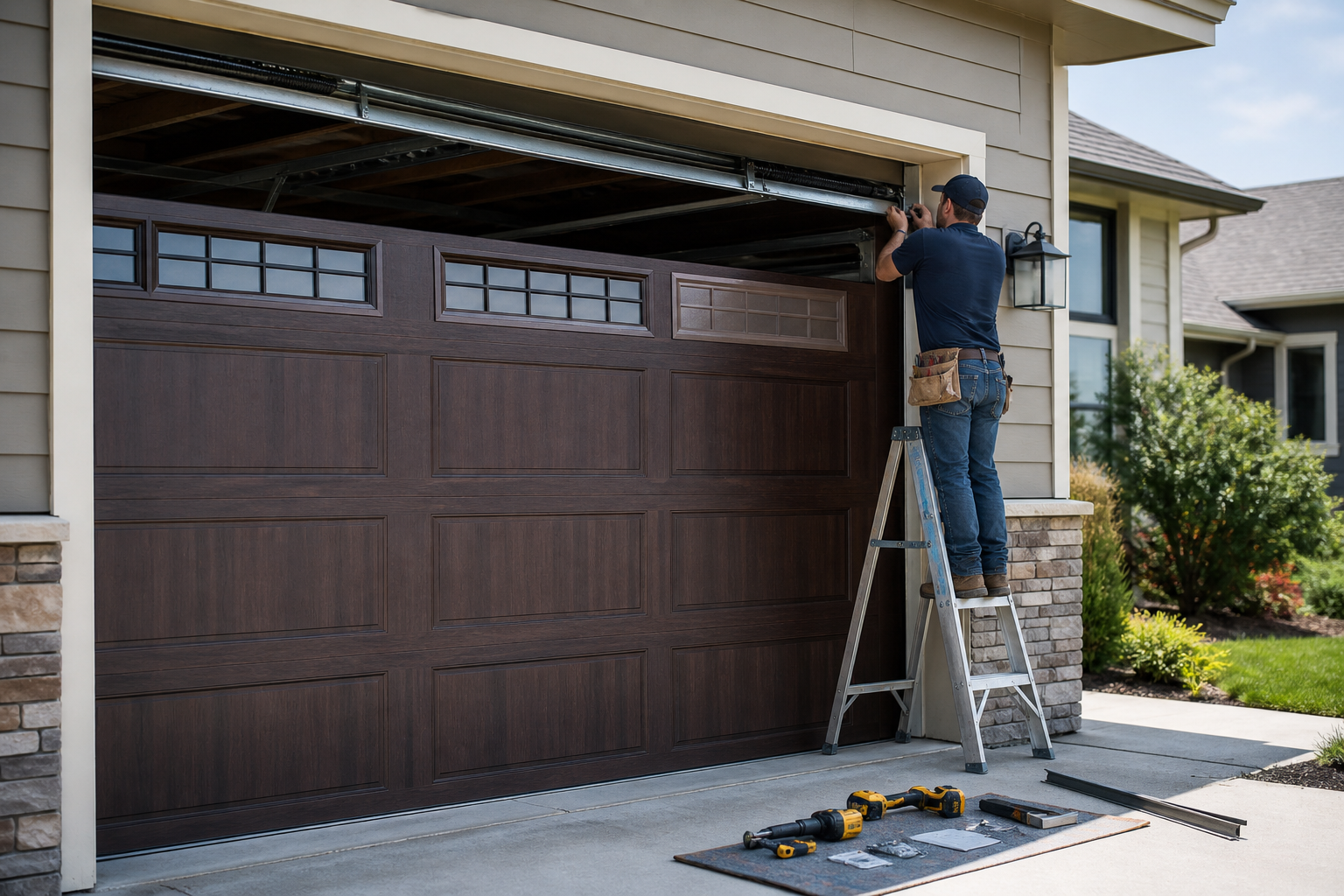
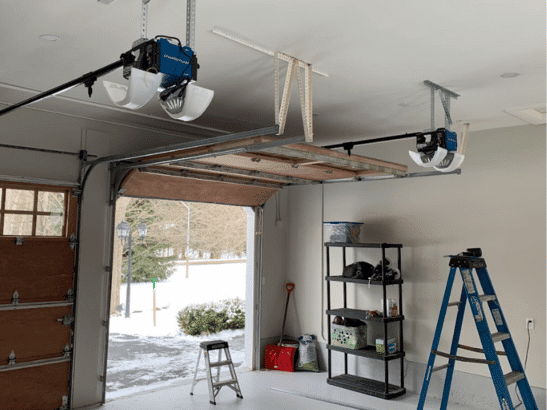
Garage doors are often taken for granted until they malfunction, causing inconvenience and potential safety hazards. Regular maintenance, troubleshooting, and timely repairs are essential to ensure your garage door operates smoothly and lasts for years.
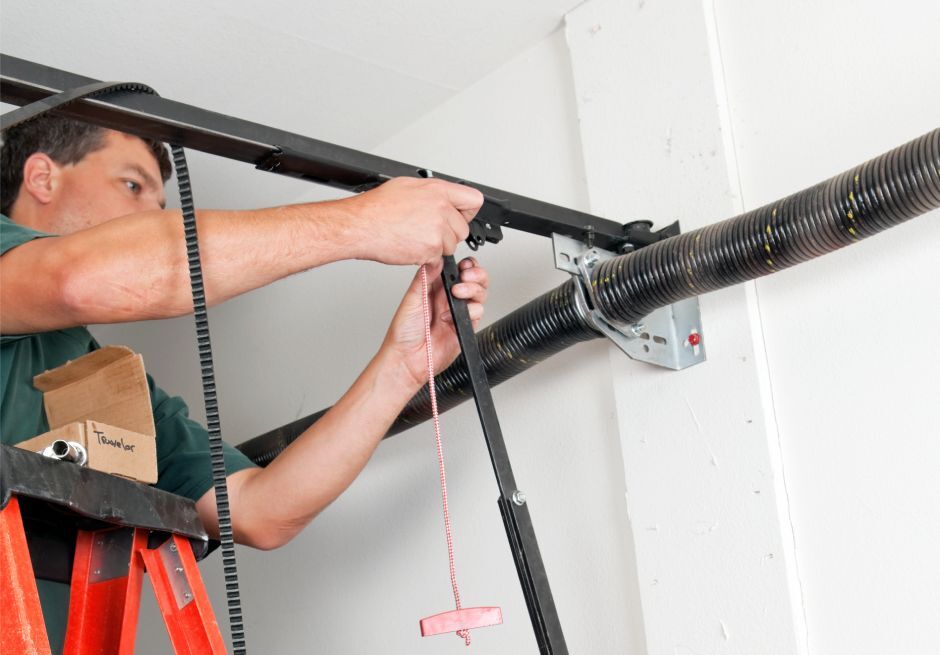
Common Garage Door Installation Problems and Their Causes
Garage doors can experience a variety of issues, ranging from minor inconveniences to major malfunctions. Identifying the root cause of these problems is the first step toward effective repair.
Noisy Doors: Garage doors can produce various unusual sounds, such as slapping, grinding, squeaking, squealing, vibrating, rattling, or clinking. These noises often indicate loose chains, rollers, nuts, or bolts, as well as rust or alignment problems. Broken springs can also cause popping and rumbling sounds.
Stuck Doors: Garage doors that have trouble opening or closing can be caused by several factors. The door may be off-balance, or the fuse may be down. Blocked sensors, obstructions in the door’s path, or misaligned tracks can also prevent the door from functioning correctly.
Slow Operation: A garage door that opens or closes slowly may have dried-out rollers or dirty tracks. Extreme temperatures can exacerbate these issues, causing parts to dry out more quickly.
Sensor Issues: Garage door sensors are a critical safety feature, and if they are covered, blocked, or misaligned, the door may not function properly. Obstacles blocking the sensor’s signal, dirt buildup on the lenses, or misalignment can all interfere with the sensor’s operation.
How to Troubleshoot a Malfunctioning Garage Door
When your garage door malfunctions, troubleshooting the problem can help you determine the best course of action. Here are some steps you can take to diagnose common issues.
Checking Power Supply: Begin by ensuring that the garage door opener is receiving power. Check the fuse and any batteries in the system. If other lights in your home are working, there may be a larger issue with the door opener.
Realigning Sensors: Make sure that the sensors on either side of the garage door are properly aligned and free from obstructions. Clean the sensor eyes with a damp cloth to remove any dirt or debris. Adjust the sensor alignment manually if necessary to ensure they face each other correctly.
Inspecting Tracks: Examine the tracks for any bends, crooks, or misalignments. Clean the tracks to remove any debris or buildup that may be obstructing the door’s movement.
Performing a Balance Test: To check the balance, close the door and disconnect it from the automatic opener. Manually lift the door halfway and release it. If the door stays in place, it is balanced; if it slips down, it is off-balance and requires professional attention.
Essential Tools for DIY Garage Door Repair
Having the right tools on hand can make DIY garage door repairs more manageable. Here are some essential tools you may need:
Wrenches and Sockets: Wrenches and sockets are necessary for tightening loose bolts and brackets. Use a socket wrench to tighten any loose hardware, but be careful not to overtighten and strip the bolts.
Screwdrivers: Screwdrivers are essential for removing and replacing screws in various parts of the garage door system. Ensure you have a variety of sizes and types, including both flathead and Phillips head screwdrivers.
Lubricants: Lubricants are crucial for keeping moving parts functioning smoothly. Apply a lithium- or silicone-based grease to the door tracks, rollers, hinges, and armbar to reduce friction and noise.
Replacement Parts: Keep a supply of common replacement parts on hand, such as rollers, springs, and sensors. Knowing the limitations of your rollers will help you know when to replace them seamlessly.
Safety Gear: Prioritize safety by wearing gloves and safety glasses to protect yourself from potential accidents. Garage doors are heavy and can cause injuries if mishandled.
When to Replace vs. Repair Your Garage Door
Deciding whether to replace or repair your garage door depends on several factors, including the extent of the damage, the age of the door, and the cost of repairs.
Signs of Wear: If your garage door is nearing the end of its lifespan (15 to 30 years), it may be more cost-effective to replace it rather than continue with repairs. Other signs that indicate the need for replacement include cracks, dents, warping, and frequent malfunctions.
Cost Comparison: Obtain quotes for both repair and replacement to compare the costs. If the repair costs are significant and the door is old, replacing it may be a better investment.
Long-Term Benefits: Replacing an old, inefficient garage door with a newer, insulated model can provide long-term benefits such as improved energy efficiency and increased home value. A new garage door can also enhance your home’s curb appeal and include important safety features.
Safety Precautions for Garage Door Repairs
Garage door repairs can be dangerous, so it’s important to take necessary safety precautions to avoid injuries.
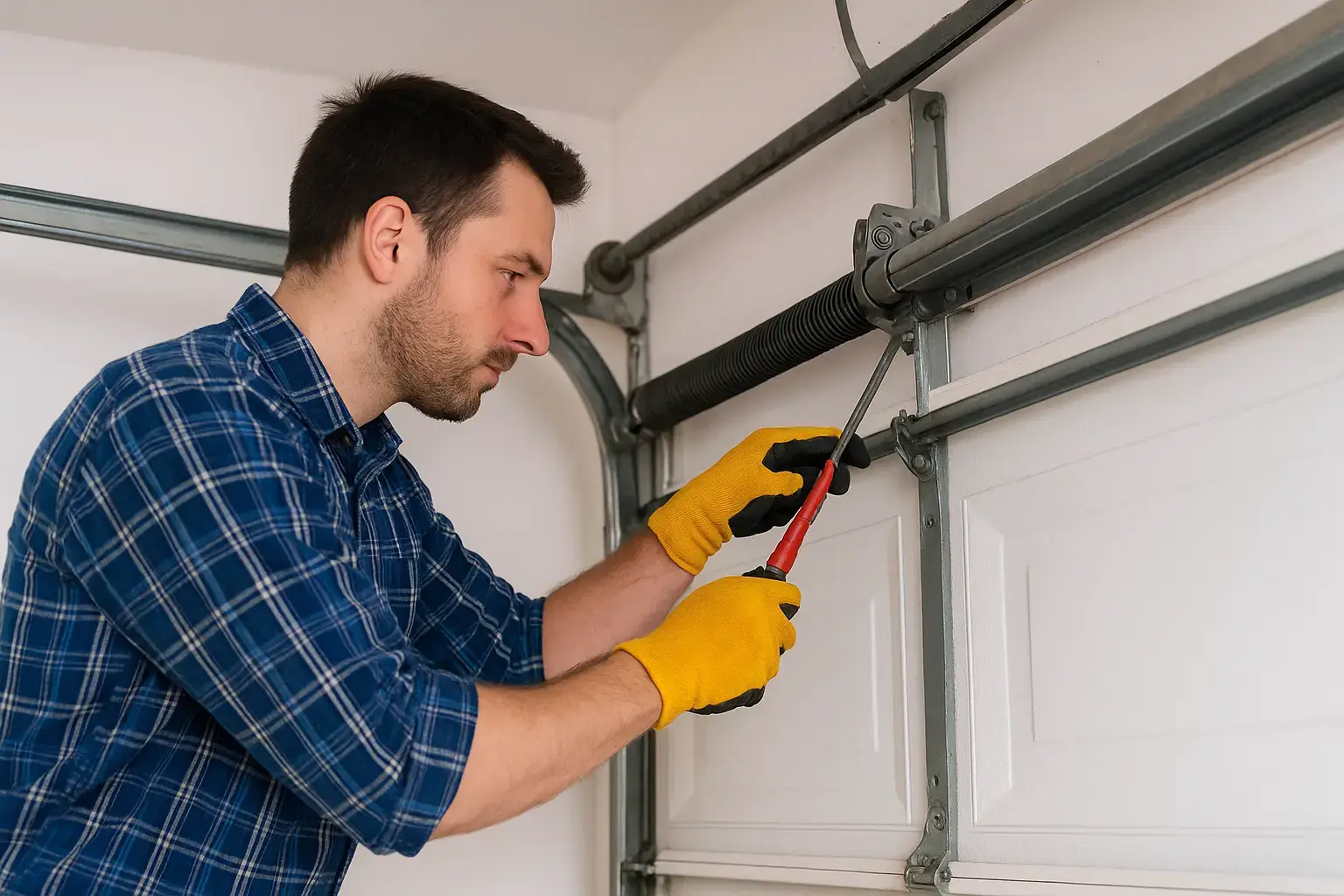
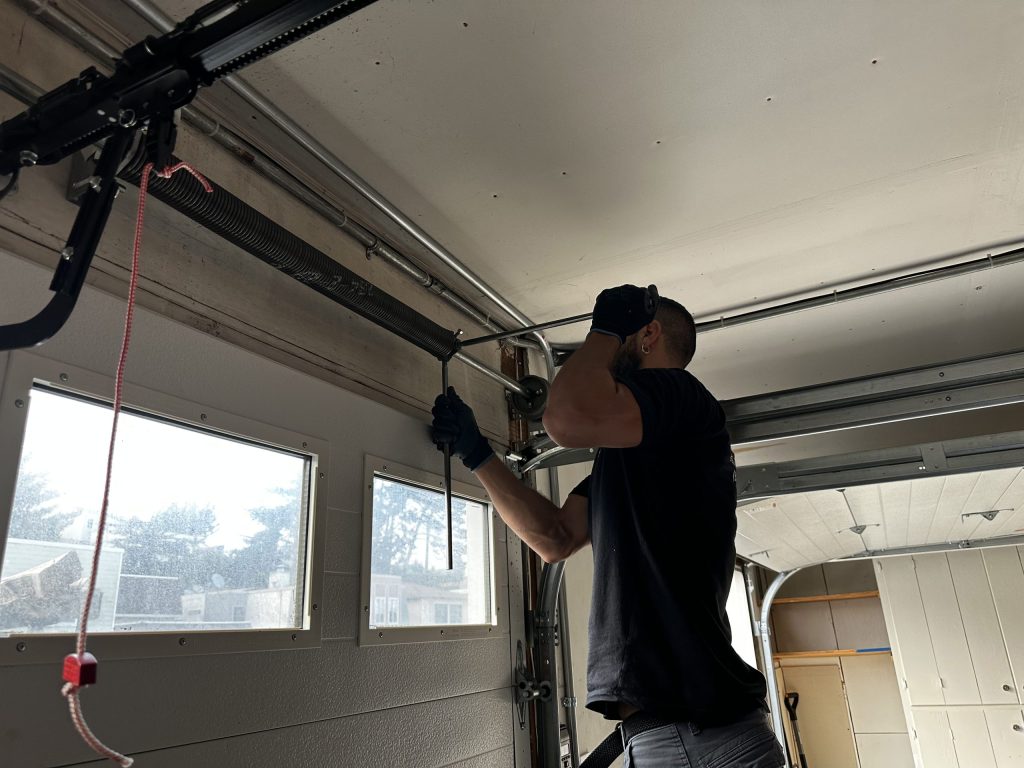
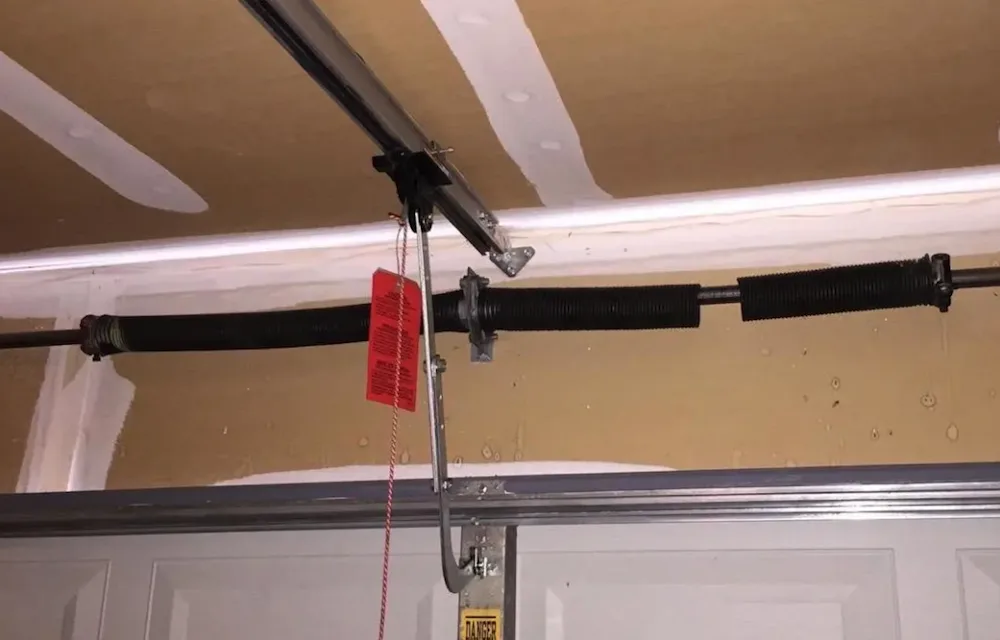
Avoiding Injuries: Springs are under high tension and can cause serious injury if mishandled. If your springs snap while in use, your door can slam down and cause damage to your vehicle or harm another person. It is best to contact a professional and limit your door use if the problem lies in the spring system.
Using the Right Tools: Ensure you have the correct tools for the job and that they are in good working condition. Using the wrong tools or damaged equipment can increase the risk of accidents.
Professional Help: For complex repairs, such as spring replacements or opener installations, it is best to hire a qualified technician. Professionals have the expertise and tools to handle these repairs safely and effectively.
How to Extend the Lifespan of Your Garage Door
Proper maintenance is key to extending the lifespan of your garage door and preventing costly repairs.
Regular Lubrication: Lubricate moving parts, such as rollers, tracks, and hinges, at least twice a year. Use a lithium- or silicone-based lubricant to keep these components moving smoothly.
Sensor Maintenance: Keep the sensors clean and properly aligned. Wipe the sensor eyes with a damp cloth to remove any dirt or debris.
Seasonal Inspections: Inspect your garage door system regularly for signs of wear and tear. Check for loose hardware, damaged components, and any unusual noises.
Professional Maintenance: Schedule a professional maintenance check at least once a year. A qualified technician can identify potential problems and perform necessary adjustments and repairs.
Choosing the Right Garage Door Repair Service
Selecting the right garage door repair service is crucial for ensuring quality workmanship and reliable service.
What to Look For: Look for a company with experienced technicians, a good reputation, and proper licensing and insurance. Check if they offer same-day service and are fully prepared with the necessary equipment.
Red Flags: Be wary of companies that offer unrealistically low prices or pressure you into making immediate decisions. Avoid companies that do not provide clear explanations of the problem and the proposed solution.
Customer Reviews: Read online reviews and testimonials to get an idea of the company’s service quality and customer satisfaction. Look for consistent positive feedback and check for any recurring complaints.
FAQs
Why won’t my garage door close?
The most common reasons for a garage door not closing are blocked or misaligned photo eye sensors. Clean the eyes of the sensors and ensure they are properly aligned.
Why does my garage door go back up after closing partway?
This issue is often caused by the photo eye sensors detecting an obstruction in the door’s path. Clear any leaves, debris, or objects from the threshold of the garage door and clean the lenses of the sensors.
How do I know if my garage door needs repairs?
Signs that your garage door needs repairs include broken springs, screeching or squeaking noises, broken cables, and visible damage such as warping or cracks. If you notice any of these issues, contact a professional repair service.
How can I perform a balance test on my garage door?
Disconnect the garage door from the automatic opener and manually lift it a few feet off the ground. If the door remains in place or slowly coasts back into place, it is balanced. If it quickly slides back down, it is off-balance and requires professional attention.
Key Takeaways
Maintaining your garage door is essential for ensuring its longevity, security, and smooth operation. Regular maintenance, including lubrication, sensor checks, and seasonal inspections, can help prevent costly repairs and extend the lifespan of your door. When issues arise, troubleshooting common problems and taking appropriate safety precautions are crucial for effective DIY repairs. For complex repairs or if you’re unsure of your abilities, hiring a qualified professional is always the best course of action
Conclusion
Proper garage door installation enhances security, efficiency, and home value. Whether you choose DIY or professional installation, ensure accurate measurements, correct hardware installation, and regular maintenance. Need expert help? Consult a professional for a seamless setup.