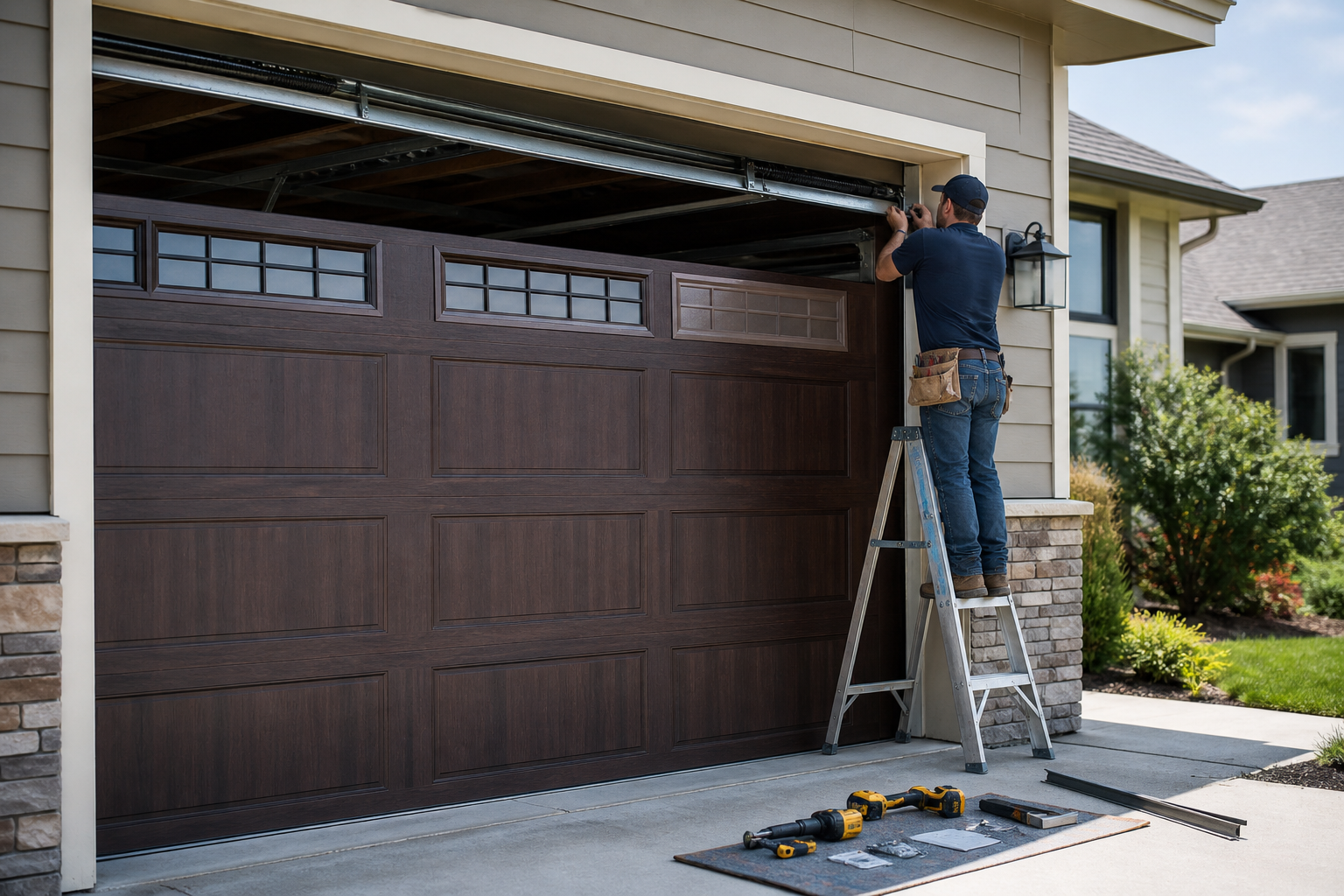
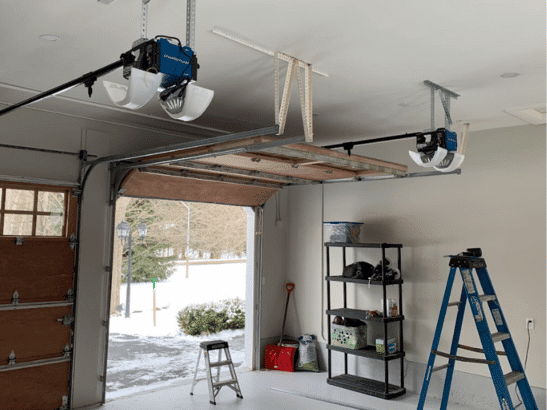
Your garage door is more than just a barrier between your home and the outside world; it’s a crucial component that ensures safety, security, and functionality. Consistent garage door maintenance not only prolongs the lifespan of your garage door but also helps in avoiding costly repairs down the line.
Why Is Garage Door Maintenance So Important?
Neglecting your garage door can lead to unexpected breakdowns, compromised security, and even injuries. Routine garage door maintenance ensures all moving parts are functioning correctly, maintains safety features, and saves money by preventing minor issues from escalating into major problems.
Safety and Security
A malfunctioning garage door can jeopardize the safety of your family and belongings. Regular maintenance checks ensure that safety sensors, auto-reverse mechanisms, and manual controls are all functioning optimally, minimizing the risk of accidents or unauthorized access.
Cost Efficiency
Preventative care is always cheaper than reactive repair. By catching problems early—whether it’s a loose bolt, worn spring, or misaligned track—you save money and extend the lifespan of your system.
Home Value and Curb Appeal
A well-maintained garage door enhances your home’s exterior appeal. If you’re looking to sell your home in the future, a fully functional and aesthetically pleasing garage door can significantly boost your home’s market value.
How Often Should You Perform Garage Door Maintenance?
Most experts recommend inspecting your garage door at least twice a year. Spring and fall are ideal seasons for maintenance as temperature changes can affect the mechanical components. For homes in extreme climates, quarterly checks are advised.
Key Components That Need Regular Maintenance
1. Springs
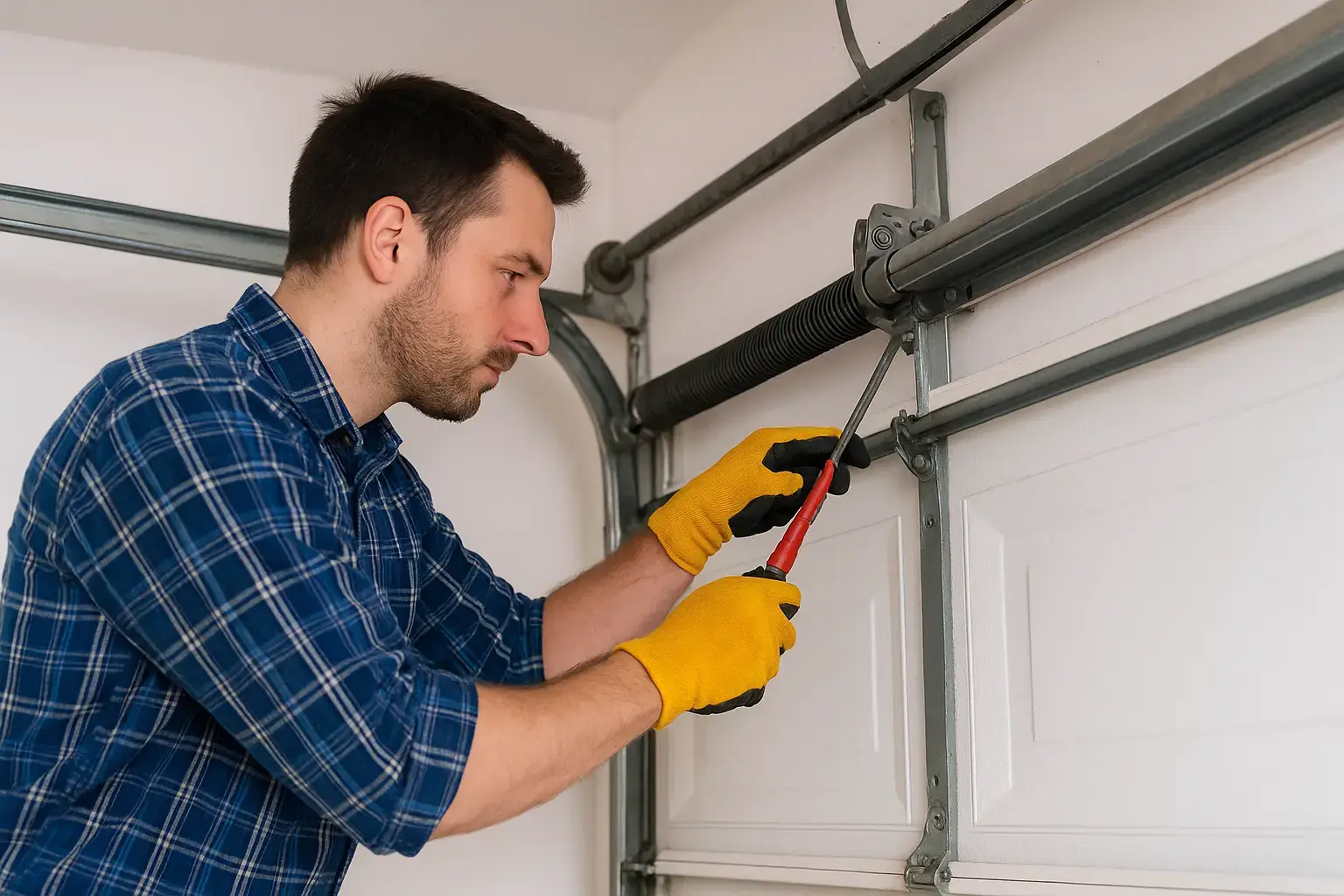
Garage door springs carry the entire weight of the door. Regular inspection for wear and tear is crucial. There are two main types: torsion springs and extension springs. Torsion springs are more durable but still need regular attention.
2. Cables
Check for fraying or damage. Damaged cables can be extremely dangerous and should be replaced immediately. Cables work in conjunction with the springs to lift and lower the door safely.
3. Rollers
Inspect for cracks and chips. Lubricate them twice a year to ensure smooth operation. Nylon rollers are quieter, while metal rollers are more durable.
4. Tracks
Ensure they are aligned properly and free from debris. Misaligned tracks can cause serious operational problems and increase strain on the opener and other components.
5. Hinges and Brackets
Tighten any loose bolts and check for rust or wear. Damaged or loose brackets can create instability and uneven operation.
Step-by-Step Garage Door Maintenance Checklist
| Maintenance Task | Frequency | Tools Needed | Notes |
| Visual Inspection | Monthly | Flashlight | Look for rust, wear, and debris |
| Lubricate Moving Parts | Every 6 Months | Silicone-based lubricant | Avoid grease |
| Test Safety Features | Bi-Annually | Block of wood, remote | Test auto-reverse mechanism |
| Check Weatherstripping | Quarterly | None | Replace if cracked or brittle |
| Clean the Door | Monthly | Mild detergent, sponge | Avoid abrasive cleaners |
What Kind of Lubricant Should You Use for Garage Doors?
Always opt for a silicone-based or lithium-based lubricant. Avoid grease as it attracts dirt and causes build-up. Proper lubrication is critical to the lifespan and noise level of your garage door system.
How to Test the Auto-Reverse Feature?
Place a block of wood under the door and close it. The door should automatically reverse once it touches the block. If it doesn’t, the auto-reverse feature may be malfunctioning and must be fixed immediately.
What Sounds Indicate a Problem?
- Squeaking: Indicates lack of lubrication
- Grinding: May signal misaligned tracks
- Banging: Suggests a problem with springs or cables
- Clicking: Might indicate issues with the opener or sensors
Signs You Need Professional Help
- Door doesn’t open or close completely
- The door is off-track
- Sagging sections
- Delayed response from the opener
- Remote not working consistently
- Visible wear on high-tension components
In such cases, contact INO Garage Doors for expert assistance.
How Can Weather Affect Your Garage Door?
Extreme temperatures can expand or contract the metal parts. Humidity can cause rust, while cold weather may make the lubricant less effective. Seasonal garage door maintenance helps mitigate these effects and ensures year-round performance.
Effects of Humidity
Humidity can lead to rust, especially on springs, tracks, and bolts. Inspect for any corrosion signs and apply anti-rust treatments if necessary.
Effects of Cold Weather
Cold weather can make lubricants thick and less effective. Use a lubricant designed for low temperatures to ensure smooth operation.
Effects of Heat
High heat can cause electronic components to overheat and fail. Check wiring and sensors for any signs of melting or warping.
Common Garage Door Maintenance Mistakes to Avoid
1. Using the Wrong Lubricant
Using grease or inappropriate lubricants can attract dirt and cause mechanical failure.
2. Ignoring Noises
Strange sounds are often early warning signs of more significant issues.
3. Not Testing the Safety Features
Failing to test auto-reverse and sensor alignment can compromise safety.
4. Over-tightening Bolts
Too much torque can strip threads or break components.
5. DIY Repairs for Springs and Cables
These are high-tension components that can cause serious injury. Always hire a professional for repairs.
Garage Door Opener Maintenance
- Replace batteries every year
- Keep remote control clean and dry
- Update software if applicable
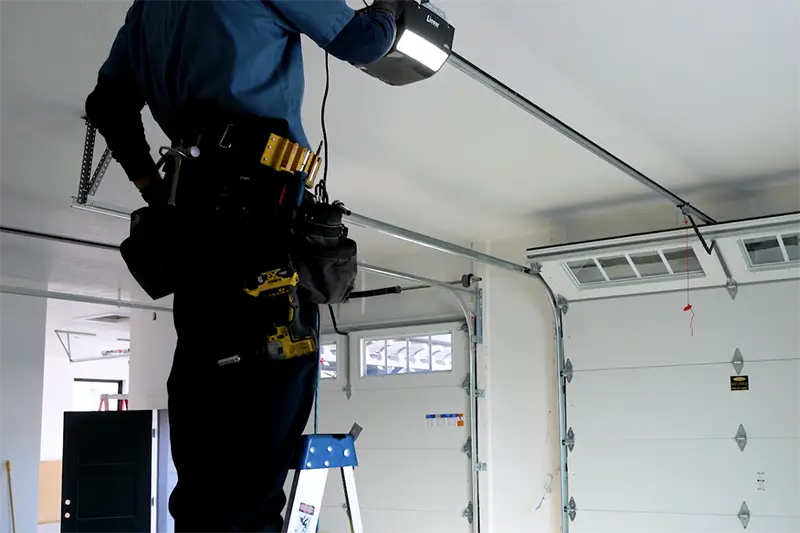
- Check motor unit for vibrations or strange sounds
- Inspect antenna and wiring
Can You Do Garage Door Maintenance Yourself?
Yes, many tasks can be done DIY. However, for components like springs and cables, it’s safer to rely on professionals. Always use proper safety gear and tools.
Benefits of Routine Garage Door Maintenance
- Increased Lifespan: Components last longer
- Enhanced Safety: Fewer accidents
- Cost Savings: Prevents expensive repairs
- Better Performance: Smoother operation
- Peace of Mind: Confidence that everything works correctly
Seasonal Garage Door Maintenance Tips
Spring
- Clean out tracks
- Test auto-reverse
- Lubricate all moving parts
Summer
- Inspect for rust
- Tighten hardware
- Clean and repaint the door
Fall
- Check weather stripping
- Inspect rollers
- Clean photo-eye sensors
Winter
- Use cold-weather lubricant
- Check battery in remote
- Watch for frozen parts
Tools You Need for Garage Door Maintenance
| Tool | Purpose |
| Screwdriver Set | Tightening bolts |
| Silicone Lubricant | Lubricating moving parts |
| Flashlight | Visual inspections |
| Ladder | Reaching high components |
| Cleaning Supplies | Washing door & components |
| Level | Checking alignment |
| Socket Wrench Set | Handling heavy-duty bolts |
When Is It Time to Replace Your Garage Door?
- Excessive noise
- Frequent repairs
- Door is over 15 years old
- Visible signs of damage
- Poor insulation
- Sagging or imbalance
Advanced Garage Door Maintenance Techniques
Checking Balance
Disconnect the opener and manually lift the door halfway. If it stays, it’s balanced. If not, call a professional.
Sensor Alignment
Use a laser level to align sensors. Misalignment can cause erratic behavior.
Chain Tension Adjustment
Check and adjust the tension of the chain drive for smooth motion.
Energy Efficiency and Insulation
Proper insulation reduces energy bills and improves comfort. Check for:
- Gaps around the door
- Worn weather stripping
- Proper panel insulation
Smart Garage Door Systems
Modern openers come with smart features:
- Remote monitoring
- Auto-close timers
- Integration with smart home systems
FAQs About Garage Door Maintenance
What is the best time to perform garage door maintenance?
Spring and fall are the best seasons due to temperature moderation.
Can I use WD-40 on my garage door?
No, WD-40 is a cleaner, not a lubricant. Use silicone or lithium-based lubricants instead.
How long does garage door maintenance take?
A full maintenance check usually takes 30–60 minutes.
Should I replace both springs if one is broken?
Yes, it’s recommended to replace both to maintain balance.
How do I know if my garage door is out of balance?
If the door is hard to open manually or closes too quickly, it may be out of balance.
Regular garage door maintenance is crucial for ensuring the functionality, safety, and longevity of your garage door. Whether you’re handling it yourself or calling in the pros at INO Garage Doors, staying on top of this task is a smart move for any homeowner.