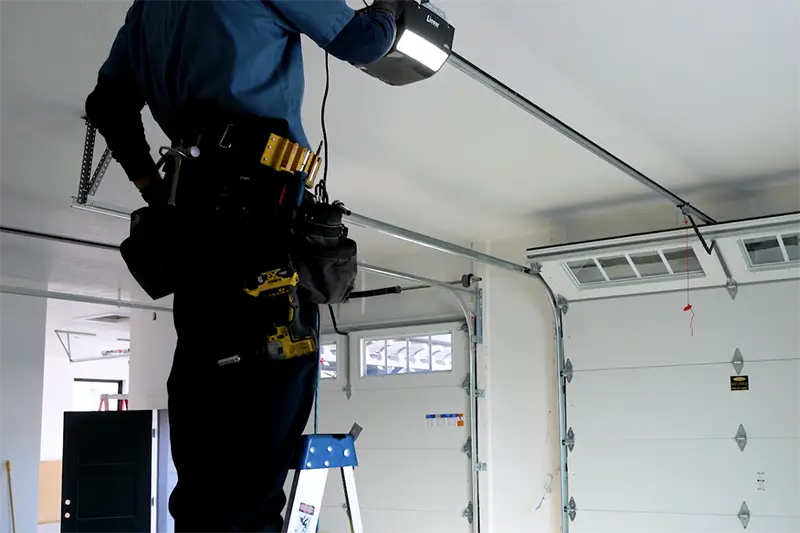
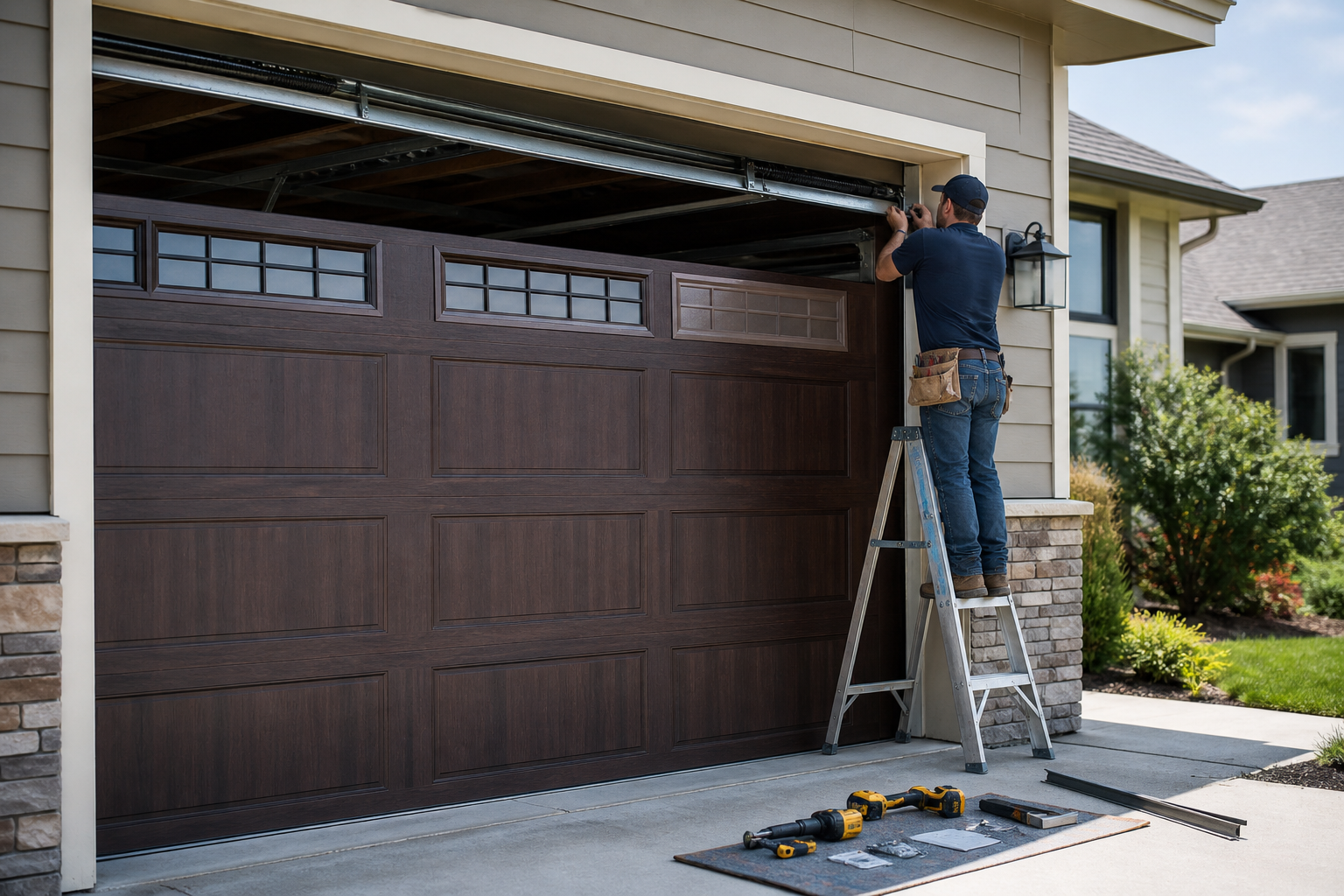
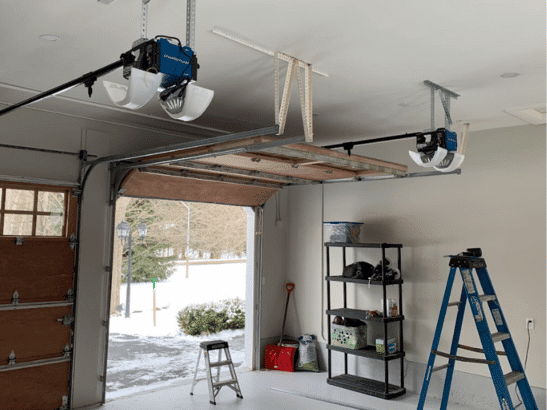
Your garage door is often one of the most frequently used entry points to your home. More than just a convenient way to access your vehicle or storage, it plays a vital role in your home’s security, energy efficiency, and curb appeal. However, like any mechanical system, your garage door requires regular attention to function correctly. Neglecting maintenance can lead to a host of problems, from minor inconveniences to significant safety hazards and costly repairs.
Regular garage door maintenance is essential for preventing unexpected breakdowns, enhancing your home’s security, and extending the lifespan of your door. By proactively addressing potential issues, you can avoid costly repairs or even the need for a full replacement. Remember, investing a little time and effort in upkeep can save you significant money and stress in the long run.
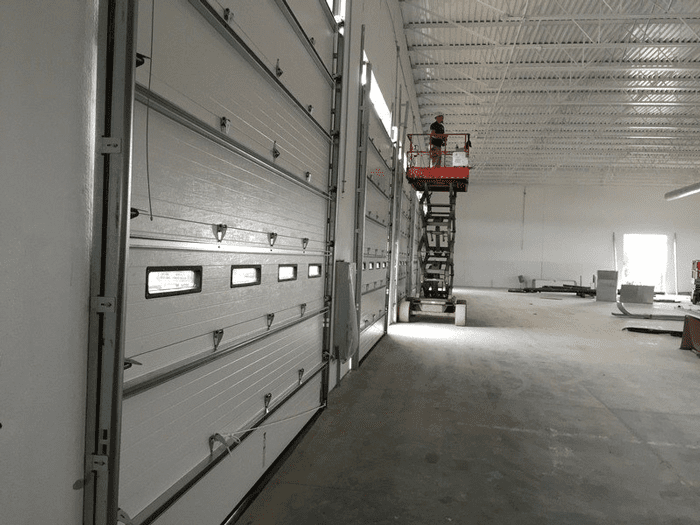
Why Garage Door Maintenance Matters
Inspecting Your Garage Door
A thorough inspection is the first step in any garage door maintenance routine. By carefully examining the various components of your garage door system, you can identify signs of wear and tear, misalignment, or other potential problems before they escalate.
Signs of Wear and Tear
Unusual Noises: Pay close attention to any unusual sounds, such as grinding, squeaking, or rattling, while the door is in operation. These noises can indicate worn rollers, loose hardware, or issues with the torsion spring.
Slow Response Time: Note how quickly the garage door responds when opening or closing. A sluggish response can signal problems with the opener, worn springs, or damaged tracks.
Misalignment or Off-Track Movement: Observe whether the door moves smoothly along its tracks. Misalignment or off-track movement can be caused by loose hardware, damaged tracks, or an imbalance in the door.
Visible Rust or Corrosion: Check for any signs of rust or corrosion on metal parts, such as springs, cables, and hinges. Rust can weaken the structural integrity of these components, leading to potential safety risks.
Sagging Door Panels: Examine the door panels for any sagging, bending, or warping. Sagging panels can indicate damage to the door’s support system or wear on the tracks and rollers.
When to Seek Professional Help
While some maintenance tasks can be performed DIY, certain issues require the expertise of a trained technician. Contact a garage door professional immediately if you notice any of the following:
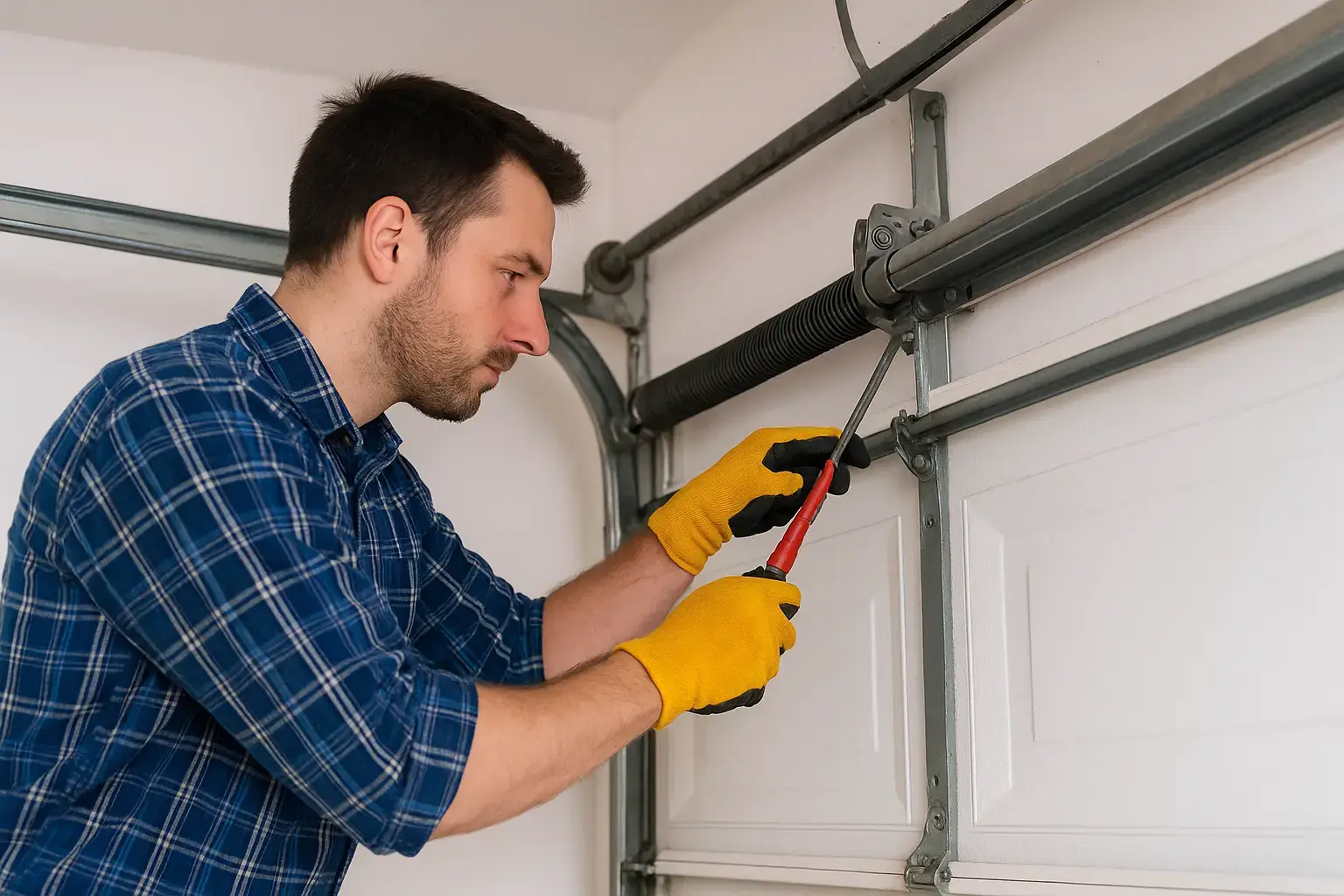
Broken Springs: Replacing garage door springs is a dangerous task due to the high tension involved.
Malfunctioning Opener: If the garage door opener is making unusual noises or not functioning correctly, it’s best to seek professional assistance.
Damaged Cables: Frayed or snapped cables can cause the door to fall unexpectedly, posing a serious safety risk.
Lubricating Moving Parts
Proper lubrication is crucial for ensuring smooth and quiet garage door operation. Lubricating the moving parts reduces friction and wear, extending the lifespan of these components.
Best Lubricants to Use
Silicone-Based Sprays: Ideal for rollers, hinges, and tracks, silicone-based lubricants provide long-lasting lubrication without attracting dirt or dust.
Lithium Grease: Use lithium grease for hinges and springs to reduce friction and prevent rust.
Avoid WD-40: While WD-40 is a versatile household product, it’s not suitable for garage doors as it can attract dust and dirt.
How Often to Lubricate
Lubricate all moving parts every six months to ensure smooth operation. If you live in an area with extreme weather conditions or use your garage door frequently, you may need to lubricate it more often.
Checking the Balance
A balanced garage door is essential for its smooth operation and longevity. An imbalanced door can strain the opener and increase the risk of failure, potentially leaving your home vulnerable.
Importance of Balance
A properly balanced garage door reduces strain on the opener, preventing premature wear and tear. It also ensures smooth and safe operation, minimizing the risk of accidents and injuries.
DIY Balance Test
Disconnect the Opener: Pull the emergency release handle to disengage the garage door from the opener.
Manually Lift the Door: Lift the door about halfway and release it.
Observe the Movement: If the door stays in place, it’s balanced. If it falls or rises, it needs adjustment.
Tightening Hardware
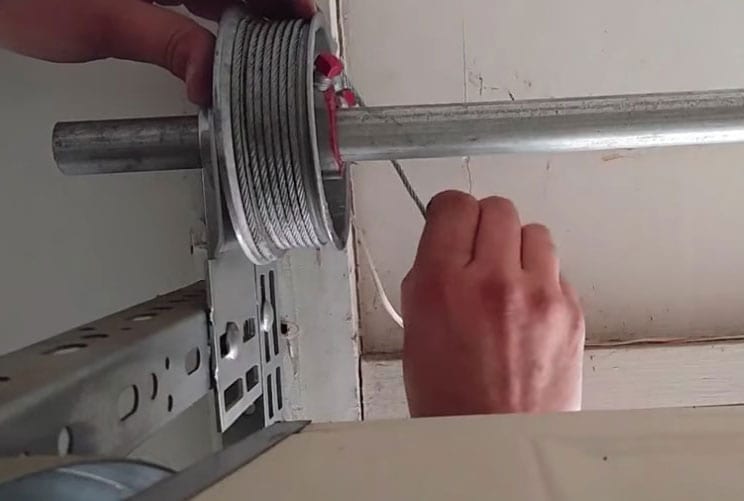
Garage doors are subject to vibrations and stress from regular use, causing hardware to loosen over time. Regularly checking and tightening hardware can prevent larger issues down the road and help extend the lifespan of your garage door.
Essential Tools Needed
Wrench set
Screwdriver
Socket set
Steps to Secure Hardware
Inspect all nuts, bolts, and screws on the garage door and track.
Tighten any loose hardware using the appropriate tools.
Pay special attention to hinges, roller brackets, and the opener’s mounting hardware.
Testing Safety Features
Modern garage doors are equipped with safety features such as auto-reverse mechanisms and photo-eye sensors to prevent accidents. Regularly testing these features ensures they are in proper working order, minimizing the risk of injuries to yourself and your loved ones.
Auto-Reverse Mechanism
Place an object, such as a piece of wood or a roll of paper towels, in the door’s path.
Activate the garage door opener to close the door.
The door should automatically reverse upon contact with the object. If it doesn’t, adjust the opener’s sensitivity settings or contact a professional for repair.
Photo-Eye Sensors
Ensure the sensors are clean and properly aligned. The LED lights on the sensors should be solid, indicating a clear line of sight.
Block the path of the sensors with an object while the door is closing. The door should immediately stop and reverse.
If the door continues to close or the sensors are not functioning correctly, inspect the wiring and connections, and adjust the sensor alignment as needed.
Cleaning and Painting
Regular cleaning and painting not only enhance the appearance of your garage door but also protect it from the elements. Dirt, grime, and rust can accumulate over time, leading to corrosion and deterioration of the door’s surface.
Best Cleaning Practices
Use mild soap and water to clean the surface. Avoid harsh chemicals or abrasive cleaners that can damage the finish.
Rinse the door thoroughly with a hose to remove any soap residue.
Dry the surface with a clean cloth to prevent water spots and streaks.
Weatherproofing Your Door
Apply a fresh coat of weather-resistant exterior paint to protect against rust and moisture. Choose a paint that is specifically designed for your door’s material, whether it’s steel, wood, or vinyl.
Ensure the surface is clean and dry before painting.
Apply multiple thin coats for even coverage and allow each coat to dry completely before applying the next.
Replacing Weather Stripping
Weather stripping provides a crucial seal that keeps out drafts, moisture, and pests. Over time, it can become worn, cracked, or damaged, compromising its effectiveness.
Signs It Needs Replacement
Cracks or gaps allowing air drafts.
Water leakage under the door.
Visible damage such as tears, brittleness, or missing pieces.
How to Change It
Remove the old weather stripping by pulling it out of the retainer. You may need to use pliers or a screwdriver to loosen it.
Measure the width and length of the garage door to determine the amount of new weather stripping needed.
Cut the new weather stripping to the appropriate length using a utility knife or scissors.
Insert the new weather stripping into the retainer, starting at one corner and working your way along the door.
Secure the weather stripping with nails, screws, or adhesive, depending on the type of retainer.
Maintaining the Garage Door Opener
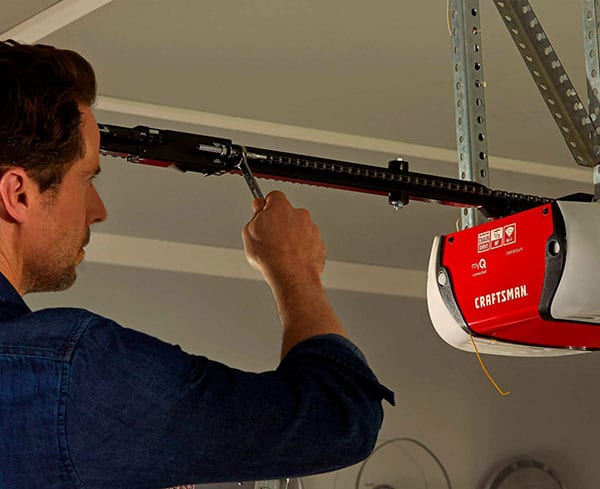
The garage door opener is the motorized unit that controls the opening and closing of your garage door. Proper maintenance ensures it operates smoothly and reliably, providing convenient access to your garage.
Battery Maintenance
Replace remote control batteries annually to ensure consistent signal strength.
If your opener has a backup battery, replace it every one to two years to ensure it can provide power during outages.
Remote Control Issues
Check the signal range and make sure you’re within the recommended distance from the door.
Reprogram the remote if it loses its connection to the opener. Refer to your opener’s manual for instructions on how to reprogram the remote.
If the remote is damaged or malfunctioning, consider replacing it with a new one.
Seasonal Garage Door Care
Different seasons bring unique challenges to garage doors, requiring specific maintenance practices to ensure optimal performance.
Winterizing Your Garage
Lubricate moving parts with a silicone-based lubricant to prevent freezing.
Inspect and seal any gaps or cracks in the door and weather stripping to prevent drafts.
Consider insulating your garage door to maintain a more consistent temperature and reduce energy costs.
Summer Maintenance Tips
Check for warped panels due to heat exposure.
Adjust tension on springs if needed to ensure smooth operation in warmer temperatures.
When to Call a Professional
While many garage door maintenance tasks can be performed DIY, certain repairs require the expertise and tools of a trained professional. Attempting these repairs yourself can be dangerous and may void your warranty.
Common Repairs You Shouldn’t DIY
Broken torsion springs
Cable replacements
Panel replacements
Finding a Trusted Technician
Look for certified garage door specialists with proper licensing and insurance.
Check online reviews and testimonials to gauge the company’s reputation and customer satisfaction.
Choose a company that offers warranties on both parts and labor to ensure peace of mind.
For residents in Killeen, TX, and surrounding areas, INO Garage Doors stands out as a reliable choice for all your garage door needs. INO Garage Doors offers expert repair, maintenance, and installation services, ensuring your garage door operates smoothly and safely. With 24/7 emergency services, they are always ready to assist you, providing secure and stylish solutions to upgrade your space.
FAQs
How often should I perform garage door maintenance?
At least twice a year—before winter and summer.
Can I replace garage door springs myself?
No. Garage door springs are under high tension and can cause serious injury if not handled properly. Always call a professional.
What is the best lubricant for garage doors?
Silicone-based or lithium grease lubricants work best.
Why is my garage door making noise?
It may need lubrication, hardware tightening, or roller replacement.
How long does a garage door last?
With proper maintenance, a garage door can last 15-30 years.
Can I paint my garage door?
Yes. Use weather-resistant exterior paint for best results.
Conclusion
Regular garage door maintenance is an essential part of homeownership. By following these expert tips, you can ensure smooth operation, prevent costly repairs, and enhance the security of your home. Take the time to inspect, lubricate, and test your garage door system regularly, and don’t hesitate to call a professional when needed.
For those in the Killeen, TX area looking for reliable and professional garage door services, consider INO Garage Doors. They offer a full range of services, from routine maintenance to emergency repairs, ensuring your garage door is always in top condition. With their expertise and dedication to customer satisfaction, you can trust them to keep your garage door functioning smoothly for years to come.