Introduction
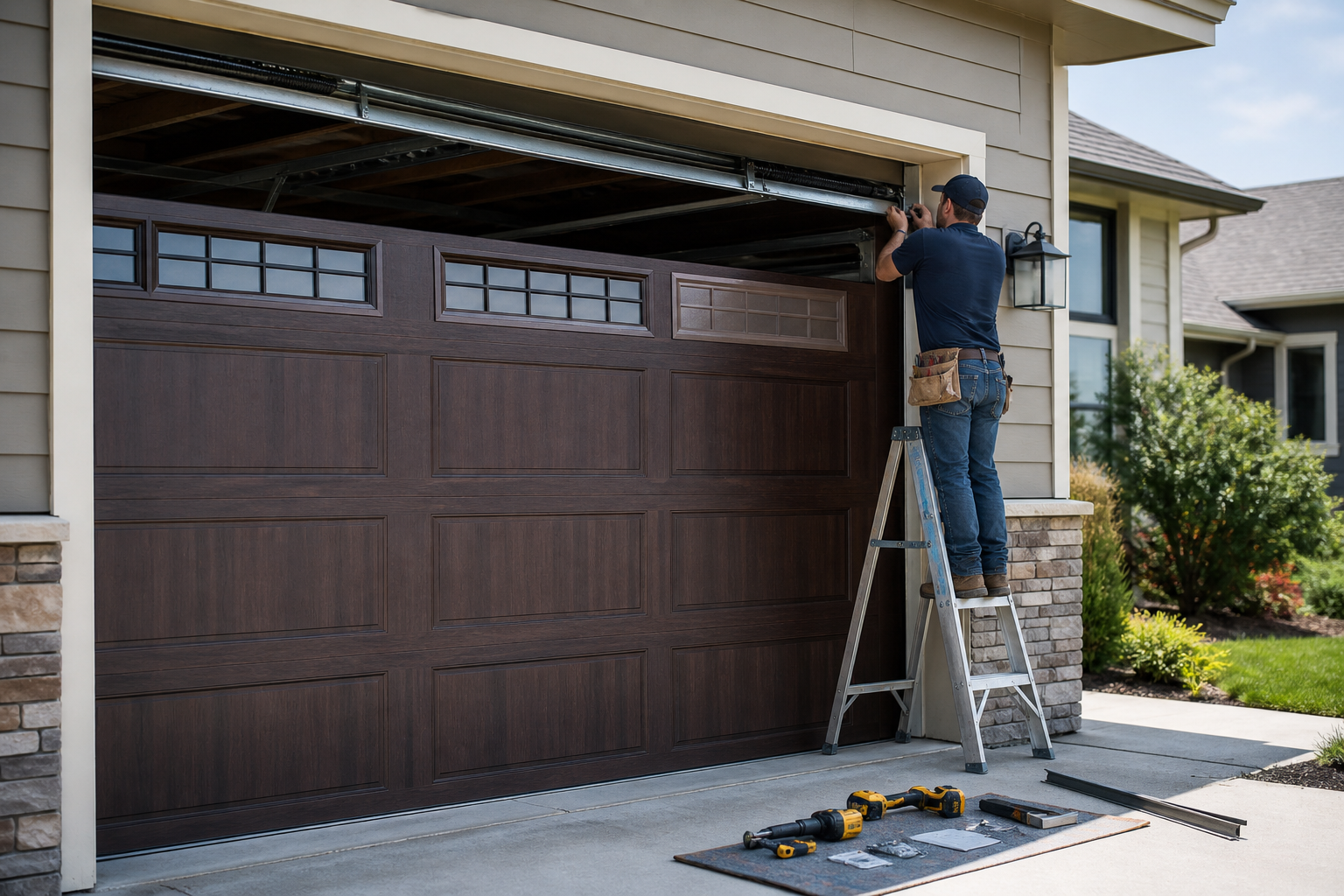
You probably don’t think much about your garage door—until it stops working. That’s when the frustration kicks in. Whether it’s stuck halfway or making an ungodly screech, one thing is clear: you need garage door repair ASAP.
Let’s walk through everything you need to know about fixing garage doors, what causes them to fail, and how to keep them operating smoothly.
Why Garage Door Repair is a Priority
Safety First
Garage doors are heavy. A malfunctioning door can easily injure someone—especially kids or pets. Proper repairs can prevent accidents and injuries.
Home Security and Convenience
Your garage is a primary entry point into your home. A broken door makes your property vulnerable. Also, no one wants to get out in the rain just to open the garage manually!

Common Garage Door Problems
Door Won’t Open or Close
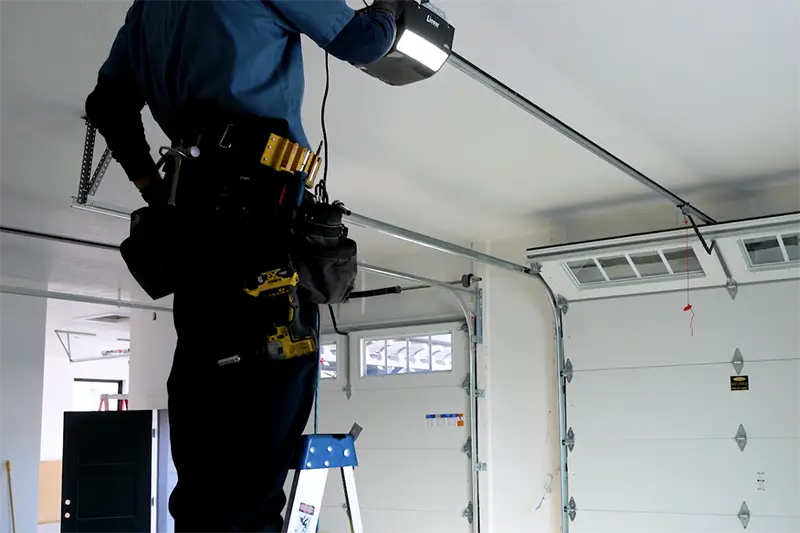
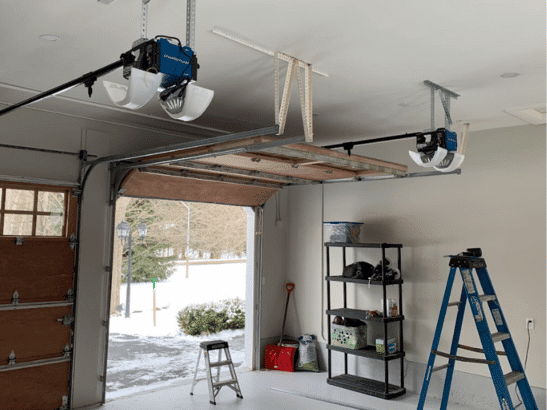
This is the most common (and annoying) problem. It can be caused by power outages, broken springs, sensor misalignment, or malfunctioning openers.
Noisy Operation
Hearing grinding or squeaking? This often points to worn-out rollers, loose hardware, or lack of lubrication.
Uneven Door Movement
A door that looks crooked when it moves could have cable or spring issues. Don’t ignore this—it’s a disaster waiting to happen.
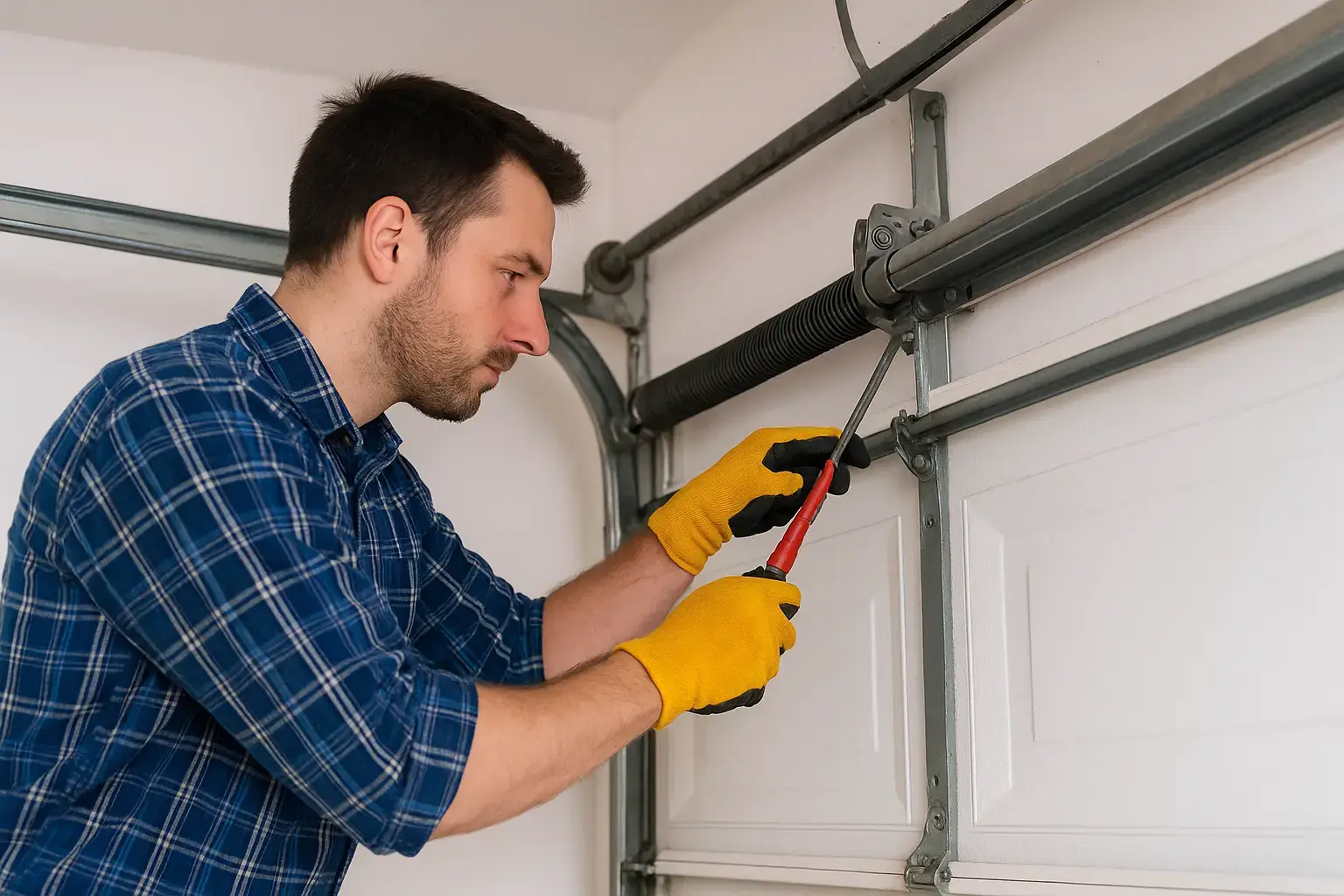
Broken Springs or Cables
These components do the heavy lifting. When they snap, your garage door becomes dead weight.
Signs That You Need Garage Door Repair
Slow Response Time
If your garage door hesitates before moving, it’s a sign that something’s not right with the opener or internal wiring.
Sagging Door Sections
Over time, door sections can sag, especially if it’s made of wood. Sagging indicates structural weaknesses.
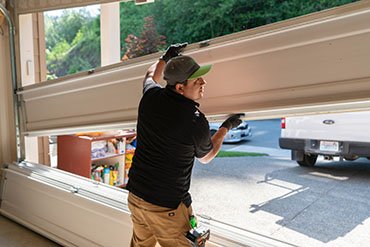
Garage Door is Off Track
Tracks guide the door. If it’s off track, it might scrape against the sides or get stuck.
What Causes Garage Doors to Break Down?
Lack of Maintenance
Neglect is the #1 enemy. Skipping regular inspections or ignoring strange noises will cost you later.
Weather Damage
Rain, snow, and sun can all wreak havoc. Moisture causes rust. Cold makes materials brittle.
Old Components
Like any mechanical system, age eventually catches up. Springs, rollers, and cables all have a lifespan.
Can You DIY Garage Door Repair?
Repairs You Can Do Yourself
Sure, some things like tightening bolts, lubricating moving parts, or replacing remote batteries are safe DIY tasks.
When to Call the Pros
Leave spring replacements or track repairs to professionals. You don’t want to gamble with your safety.
How to Choose the Right Garage Door Repair Company
Experience and Licensing
Always choose companies with certified technicians. They’ll know how to handle different types of doors and brands.
Customer Reviews and Testimonials
Look for real reviews—not just the polished ones on websites. Check Google, Yelp, or social media for honest feedback.
Warranty and Insurance
Make sure the company backs up their work. Warranties protect you if something goes wrong again.
Why INO Garage Doors Stands Out
Professional Services
INO Garage Doors has a strong reputation for expert technicians and fast service.
Same-Day Repairs
Emergencies don’t wait. INO offers same-day service to get your door back in action fast.
Customer-Centric Approach
They focus on transparency and offer free quotes—no hidden charges, no surprises.
What Happens During a Garage Door Repair Service?
Inspection Process
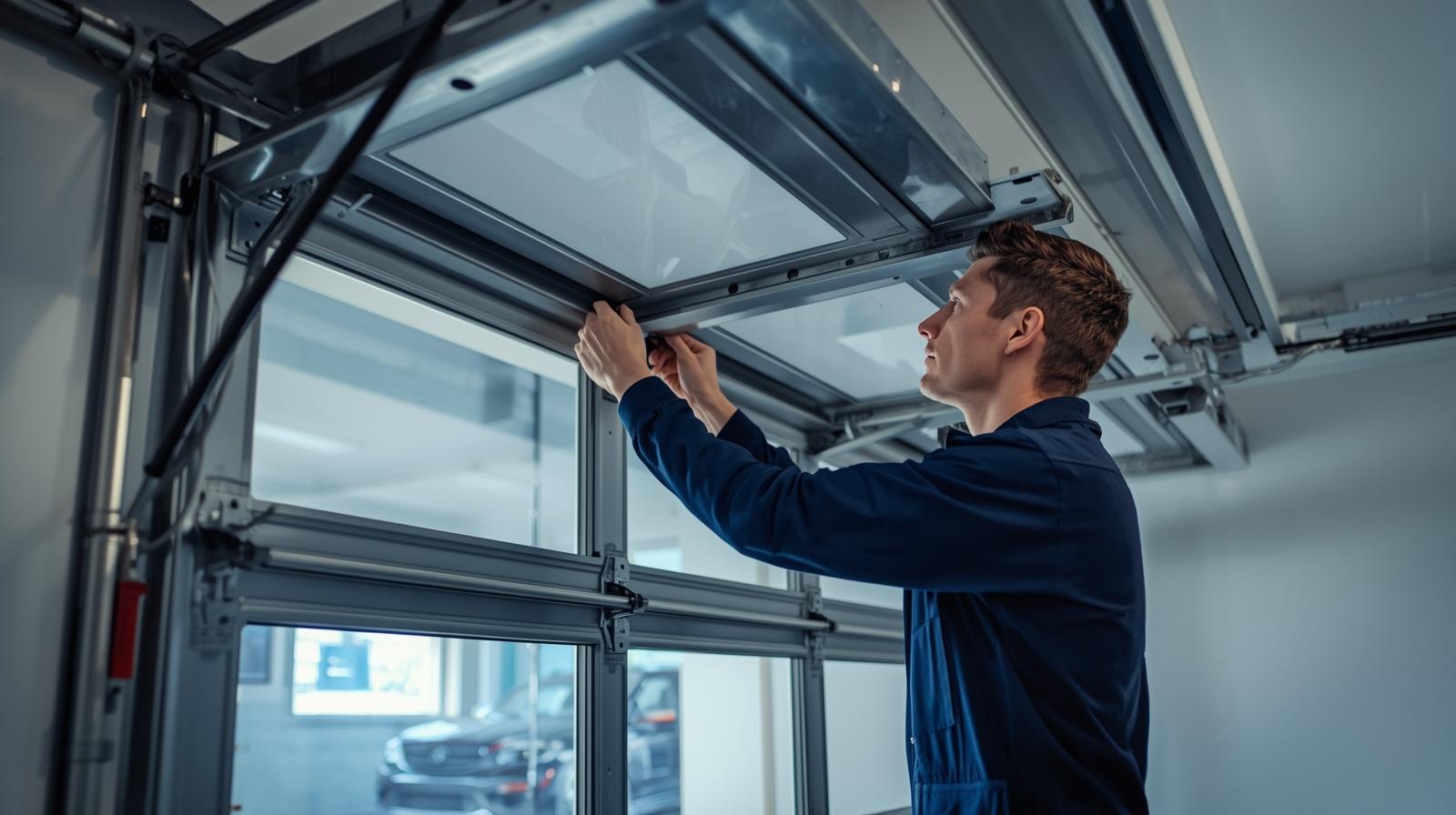
A tech will inspect the door, springs, rollers, tracks, sensors, and opener to identify the issue.
Identifying the Fault
Whether it’s a snapped spring or sensor misalignment, the tech will explain what’s wrong.
Cost-Free Quote
You get a breakdown of the costs before any work starts. That’s peace of mind.
Repairs and Testing
Once approved, repairs begin immediately. After fixing, they test everything to make sure it’s working perfectly.
How Often Should You Get Your Garage Door Inspected?
Ideal Maintenance Schedule
Twice a year is a good rule of thumb. Spring and fall are perfect times to do it.
Seasonal Check-Ups
Inspect your door before winter for rust, and after spring for wear and tear caused by fluctuating weather.
How to Maintain Your Garage Door Like a Pro
Lubrication Tips
Use silicone-based lubricants for rollers and hinges. Avoid WD-40—it’s not made for garage doors.
Tightening Hardware
Grab a socket wrench and go over all bolts and brackets at least twice a year.
Testing the Balance
Disconnect the opener and manually lift the door. It should stay halfway open. If it falls, the springs may need adjustment.
When is it Better to Replace Your Garage Door?
Repair vs. Replace: Key Factors
If your door is over 15 years old and needs constant fixes, replacement might be cheaper in the long run.
Benefits of a New Garage Door
Modern doors are quieter, safer, and more energy-efficient—not to mention better looking.
What Are the Latest Trends in Garage Door Design?
Smart Garage Door Openers
These let you open/close your garage from your smartphone. Some even send alerts if the door’s left open.
Insulated and Eco-Friendly Materials
Insulated doors reduce your power bill and offer better temperature control inside your garage.
Garage Door Safety Tips Everyone Should Know
Kid-Proofing Your Garage
Teach your kids never to play near the garage door. Keep remotes out of their reach.
Avoiding Common Injuries
Never race under a closing door. Always use the sensor reversal test to ensure it’s working.
Conclusion
Garage doors might not be the flashiest part of your home, but they’re definitely one of the most hardworking. When something goes wrong, it disrupts your routine, security, and even safety. Luckily, with proper care and attention—and the right professionals by your side—you can avoid many common problems.
Regular maintenance and professional inspection go a long way. And if issues arise, don’t delay repairs. Acting fast saves you money and frustration down the road.
Looking for reliable garage door repair? Choose a provider like INO Garage Doors that offers transparency, efficiency, and top-notch service.
Common Garage Door Problems and DIY vs. Pro Repair
| Problem | DIY Fix Possible? | Recommended Solution |
| Noisy Operation | Yes | Lubricate rollers and hinges |
| Door Off Track | No | Call a professional |
| Broken Springs | No | Immediate professional repair |
| Door Won’t Open/Close | Sometimes | Check sensors, otherwise pro |
| Uneven Door Movement | No | Inspect and replace cables |
| Remote Not Working | Yes | Replace batteries |
| Sagging Door | Sometimes | Reinforce or replace section |
| Sensor Issues | Yes | Clean and align sensors |
FAQs
1. How long does a typical garage door repair take?
Most garage door repairs can be completed within 1 to 2 hours. However, this depends on the severity of the issue and parts availability.
2. What’s the most common reason a garage door won’t open?
The most common culprits are dead remote batteries, broken springs, or misaligned sensors.
3. Should I replace both springs if only one is broken?
Yes, it’s highly recommended. Garage door springs work in pairs, and if one breaks, the other is likely close to wearing out too.
4. How often should I lubricate my garage door components?
At least twice a year. Regular lubrication reduces friction and extends the life of moving parts.
5. Is it safe to repair a garage door by myself?
Only for small tasks like tightening bolts or cleaning sensors. Anything involving springs, cables, or heavy lifting should be left to professionals.