Introduction to Garage Door Repair
Garage doors do more than keep your car protected. They’re part of your home’s first impression, a major entry point, and an unsung hero in daily convenience. But when they stop working, they can quickly become a big headache.
Why Garage Doors Are More Important Than You Think
Think about it—your garage door is the largest moving part of your house. It provides security, insulation, and even curb appeal. A malfunction can compromise your daily routine and safety, especially if you’re relying on it for quick exits and secure entrances.
Common Signs You Need Garage Door Repair
Is your door jerking when it opens? Making grinding or squealing sounds? Refusing to close all the way? These are telltale signs you might need garage door repair. Ignoring these symptoms can make minor issues turn into major, costly repairs.
Most Common Garage Door Problems
Understanding the source of the problem helps you determine if it’s something you can fix yourself—or if it’s time to call the pros.
Broken Springs
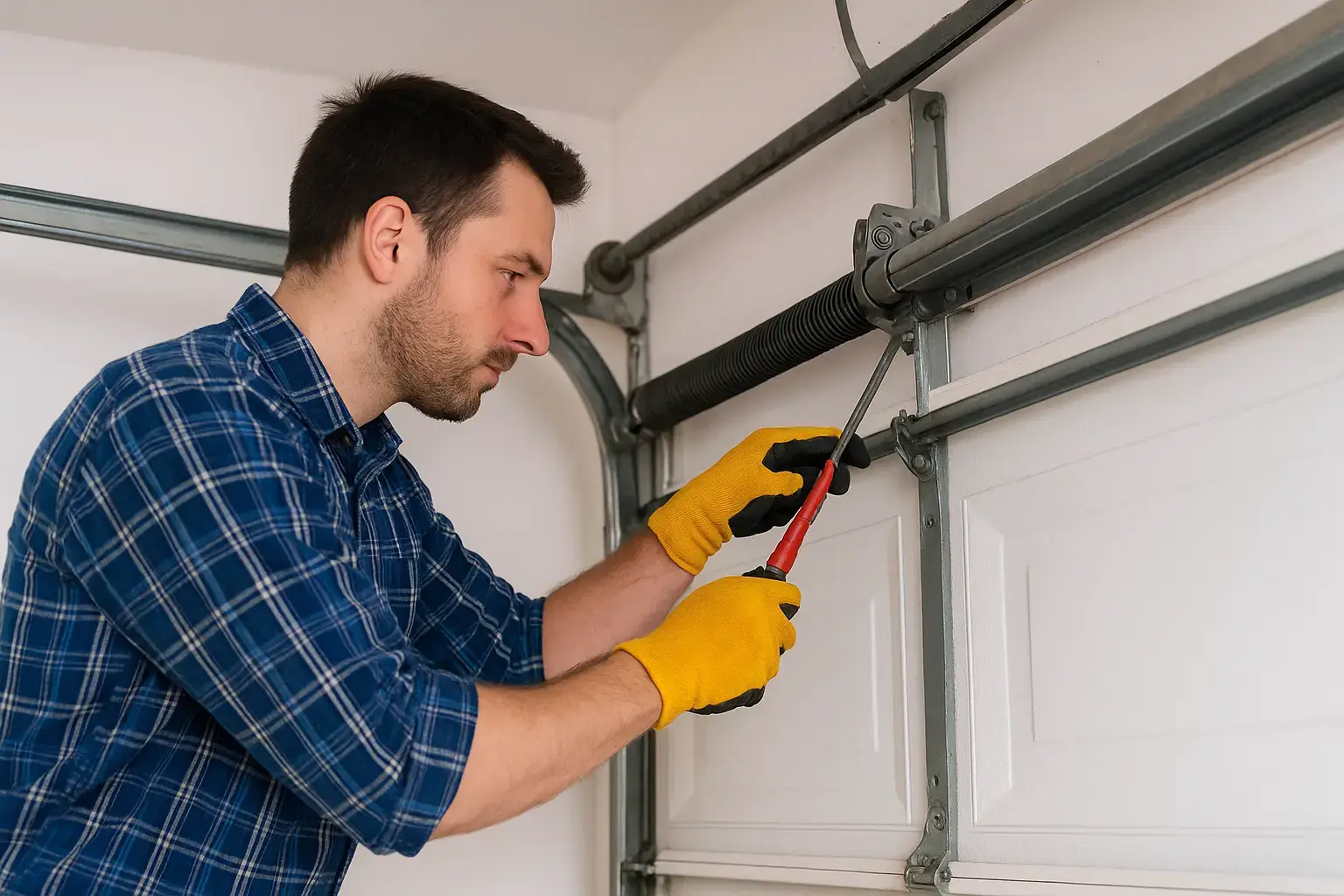
Garage door springs do the heavy lifting. Over time, they can wear out or break, making the door impossible to lift. This isn’t a DIY-friendly repair due to the tension involved.
Snapped Cables
If your garage door is hanging unevenly, it could be a snapped cable. These cables work alongside the springs and should be handled by a technician to avoid injury.
Misaligned Tracks
Garage doors rely on properly aligned tracks to move smoothly. When the tracks are bent or off-balance, your door may get stuck or close incorrectly.
Faulty Sensors
Garage door sensors prevent the door from closing on objects or people. Misalignment or dirt can cause the sensors to malfunction and stop your door from closing.
Remote or Opener Not Working
Dead batteries are a common culprit, but sometimes the problem lies within the opener’s internal electronics or wiring.
Why Is My Garage Door Not Closing Properly?
This is a frequent homeowner complaint—and it usually has a fixable reason.
Sensor Issues Explained
If your garage door starts to close but then reverses, your safety sensors might be blocked or misaligned.
Track Obstructions and Misalignments
Small debris or even slight dents can prevent the rollers from moving, causing your door to jam halfway.
Limit Setting Problems
Garage door openers have settings that tell them when to stop. If those are off, your door might stop too early or not close all the way.
The Importance of Regular Maintenance
Routine checks can prevent big issues before they become costly emergencies.
How Often Should You Service Your Garage Door?
Experts recommend a maintenance check once a year, especially if your door is used multiple times a day.
DIY Maintenance Tips for Homeowners
- Lubricate the rollers and hinges monthly
- Test the balance of your door
- Inspect the weather stripping for wear
What a Professional Tune-Up Includes
A professional will inspect springs, lubricate all moving parts, check for misalignments, and test safety features.
DIY Garage Door Repair: What You Can Handle Safely
Not all garage door problems need professional help. Here are a few you can try on your own.
Lubricating the Moving Parts
Use a silicone-based lubricant to keep rollers, springs, and hinges running smoothly.
Tightening Loose Hardware
Check bolts and screws, especially on the roller brackets and tracks.
Resetting Your Garage Door Opener
Sometimes, all it takes is unplugging your opener and plugging it back in, or reprogramming the remote.
When to Call the Pros for Garage Door Repair
Some things are best left to trained hands.
Jobs That Are Too Dangerous to DIY
- Spring replacement
- Cable rewiring
- Track replacement
What to Expect from a Professional Service Visit
A technician from INO Garage Doors will typically inspect your entire system, provide a diagnosis, and perform the repair—often in a single visit.
How Weather Affects Garage Doors
Your garage door deals with Mother Nature daily. That can take a toll.
The Impact of Extreme Heat or Cold
Cold can cause metal components to contract, while heat can interfere with sensors and motors.
Rust, Corrosion, and Moisture Damage
Rain and humidity can lead to rusting of tracks and springs. Regular lubrication and inspections are key.
Choosing the Right Garage Door Repair Service
Don’t just call the first number you see online.
Qualities of a Reliable Repair Company
- Transparent quotes
- Certified technicians
- Same-day service
Why Homeowners Trust INO Garage Doors
Locals love INO Garage Doors for their reliable service, friendly pros, and fast turnaround.
How Much Time Does a Garage Door Repair Take?
It depends on the issue.
Quick Fixes vs. Full Overhauls
| Repair Type | Estimated Time |
| Sensor realignment | 15-30 minutes |
| Spring replacement | 1-2 hours |
| Full opener replacement | 2-3 hours |
| Track realignment | 1 hour |
The Benefits of Timely Garage Door Repair
Enhancing Security and Peace of Mind
A faulty garage door is an open invitation to intruders.
Saving Money on Costly Replacements
Early repairs can prevent expensive overhauls later.
Can Garage Door Repair Improve Curb Appeal?
Absolutely. A working, quiet, and freshly maintained door adds value and beauty to your home.
Preventative Repairs vs. Reactive Repairs
Don’t wait for disaster to strike.
Why Being Proactive Pays Off
Preventative repairs are cheaper, faster, and often avoid safety hazards.
Case Examples: Small Fixes That Avoided Big Problems
Fixing a frayed cable early can avoid a total door collapse later.
The Role of Technology in Modern Garage Doors
Today’s doors are smarter than ever.
Smart Openers and Wi-Fi Integration
You can open, close, and monitor your door from your phone—even while on vacation.
How to Troubleshoot Tech Glitches
- Check Wi-Fi connection
- Update the app
- Reset the system
Quick Troubleshooting Guide for Homeowners
| Problem | Possible Cause | Quick Fix |
| Door won’t open | Broken spring | Call a pro |
| Remote not working | Dead battery | Replace battery |
| Door closes and reverses | Misaligned sensors | Clean/realign sensors |
| Door is noisy | Lack of lubrication | Apply silicone-based lube |
| Door is slow | Old opener or tight springs | Call for professional help |
Conclusion
Your garage door might not get the attention it deserves—until it stops working. But keeping it in shape doesn’t have to be complicated. A mix of smart maintenance, timely repairs, and knowing when to call in the experts can keep your garage door humming along for years. Whether it’s a quick fix or a serious issue, taking garage door repair seriously saves you time, money, and stress down the line.
FAQs
How do I know if my garage door spring is broken?
If your garage door won’t lift or feels extremely heavy, it’s likely a broken spring. You might even hear a loud snap when it breaks.
Can I replace the garage door sensors myself?
Yes, if you’re comfortable with basic tools. Just ensure the sensors are aligned and the power is off while working.
What should I do if my garage door opener isn’t responding?
Start with replacing the remote batteries, then check the opener’s power source. If it’s still dead, call in a pro.
How long does a typical garage door last?
With proper care, a garage door can last 15-30 years depending on material and usage.
Is it safe to use the garage door if it’s making strange noises?
Nope. Unusual sounds could be a sign of broken parts. Stop using it and call a technician to avoid further damage.