Introduction
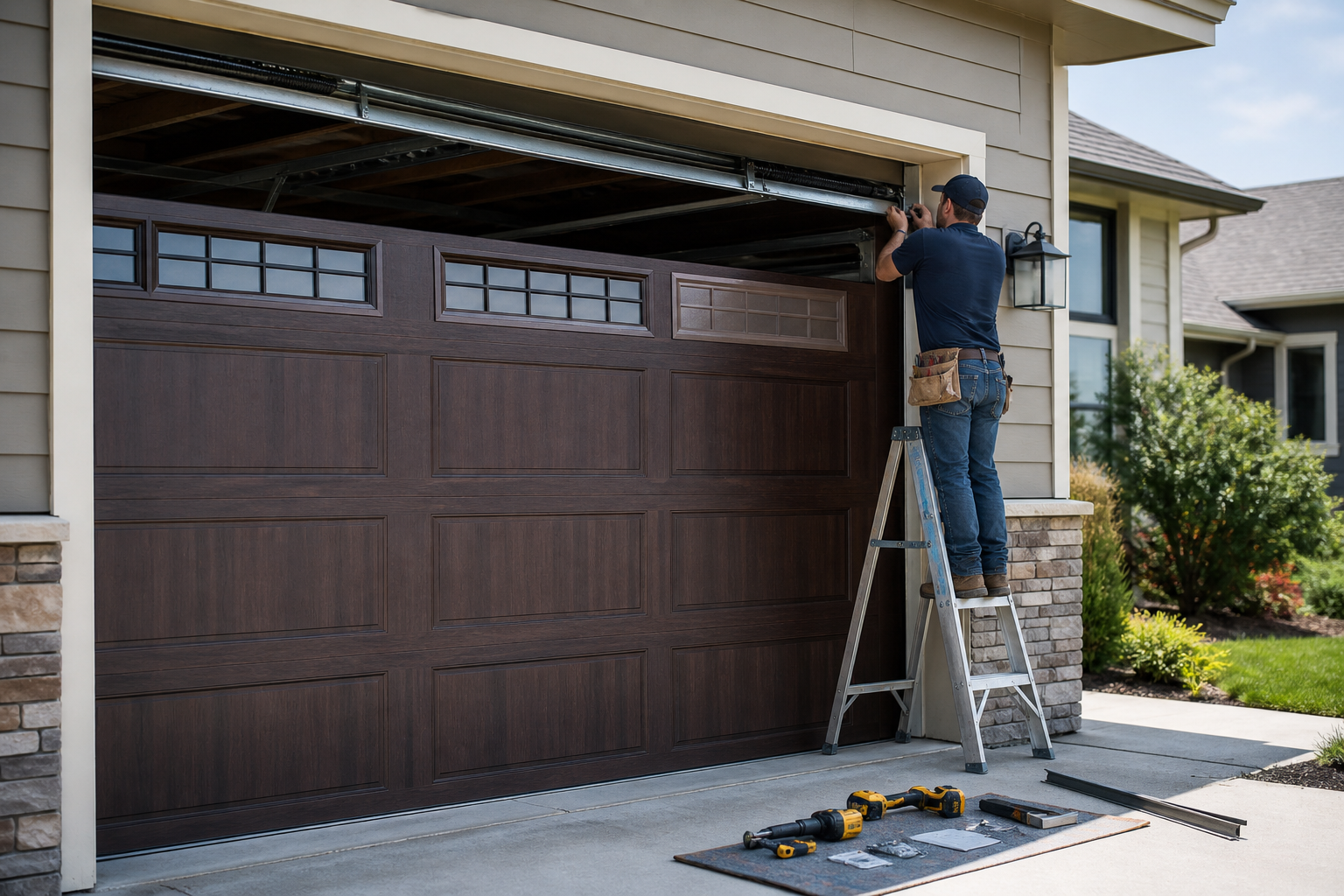
Your garage door isn’t just an entry point; it’s a critical component of your home that contributes to security, energy efficiency, and curb appeal. In recent years, garage door installation has become a priority for many homeowners aiming to enhance their property. Whether you’re replacing an old door or installing a brand new one, understanding the entire process is essential.
In this comprehensive article, we’ll walk you through every aspect of garage door installation, from choosing materials to maintenance tips. We’ll also address common questions and provide practical advice to help you make informed decisions.
Why is Garage Door Installation Important?
A proper garage door installation brings multiple benefits, including:
- Enhanced Security: Modern garage doors offer better protection against break-ins.
- Improved Insulation: Keeps your home energy efficient.
- Noise Reduction: High-quality materials can reduce outdoor noise.
- Increased Property Value: An attractive garage door improves curb appeal.
- Convenience and Safety: Automatic openers make life easier and safer.
Now, let’s dive deeper into the world of garage door installation.

How to Choose the Right Garage Door for Your Home?
Choosing the perfect garage door involves several factors. Let’s explore the most important ones.
1. Material Selection
Different materials offer unique benefits:
| Material | Benefits | Drawbacks |
| Steel | Durable, low maintenance | Prone to rust if scratched |
| Wood | Aesthetic appeal | Requires frequent maintenance |
| Aluminum | Lightweight, rust-resistant | Less durable than steel |
| Fiberglass | Resistant to salt air (good for coastal areas) | May crack under impact |
| Vinyl | Durable, low maintenance | Limited design options |
2. Style Choices
- Traditional Raised-Panel: Classic design suitable for many homes.
- Carriage House: Mimics barn door style; great for rustic looks.
- Contemporary: Sleek, modern lines with glass and metal combinations.
3. Insulation Options
Insulation can improve energy efficiency and noise reduction. Look for:
- Polystyrene Insulation
- Polyurethane Insulation (higher R-value)
- Non-insulated (budget-friendly but less efficient)
4. Safety Features
Modern garage door installation includes:
- Auto-reverse sensors
- Rolling code technology
- Manual release for emergencies
What Are the Steps Involved in Garage Door Installation?
A professional garage door installation typically follows these steps:
Step 1: Measuring the Opening
Accurate measurements ensure a perfect fit. Key dimensions include:
- Width and height of the opening
- Headroom
- Sideroom
- Backroom
Step 2: Preparing the Site
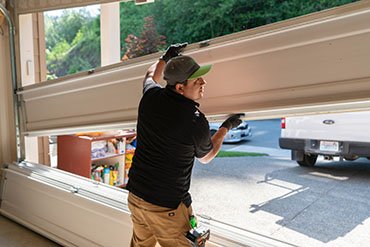
- Remove the old door (if replacing)
- Check the framing and repair if necessary
- Verify the level and square of the opening
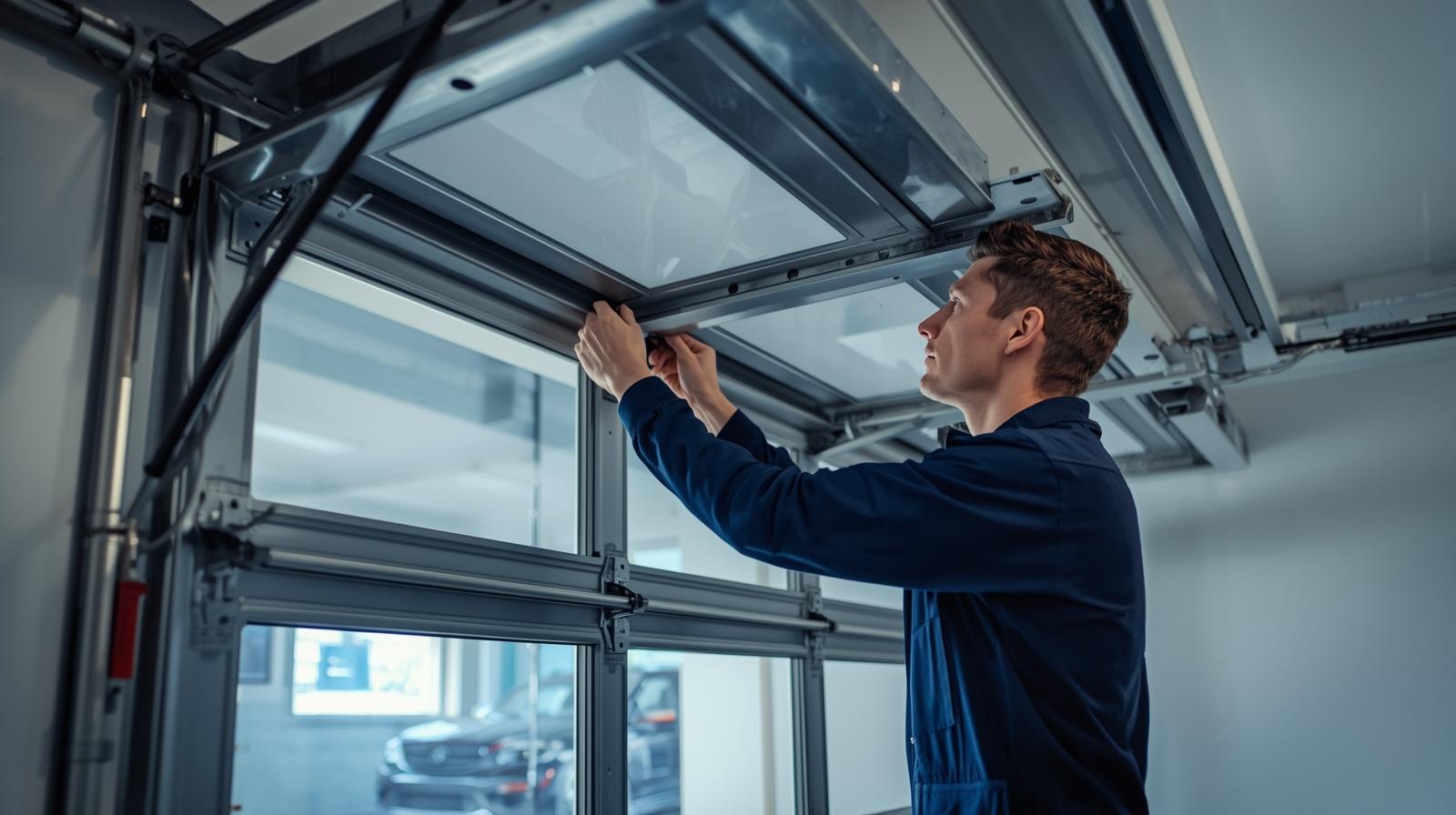
Step 3: Installing the Door Sections
- Attach hinges, rollers, and weather stripping
- Secure panels one by one, starting from the bottom
Step 4: Installing the Tracks and Hardware
- Vertical and horizontal tracks are aligned
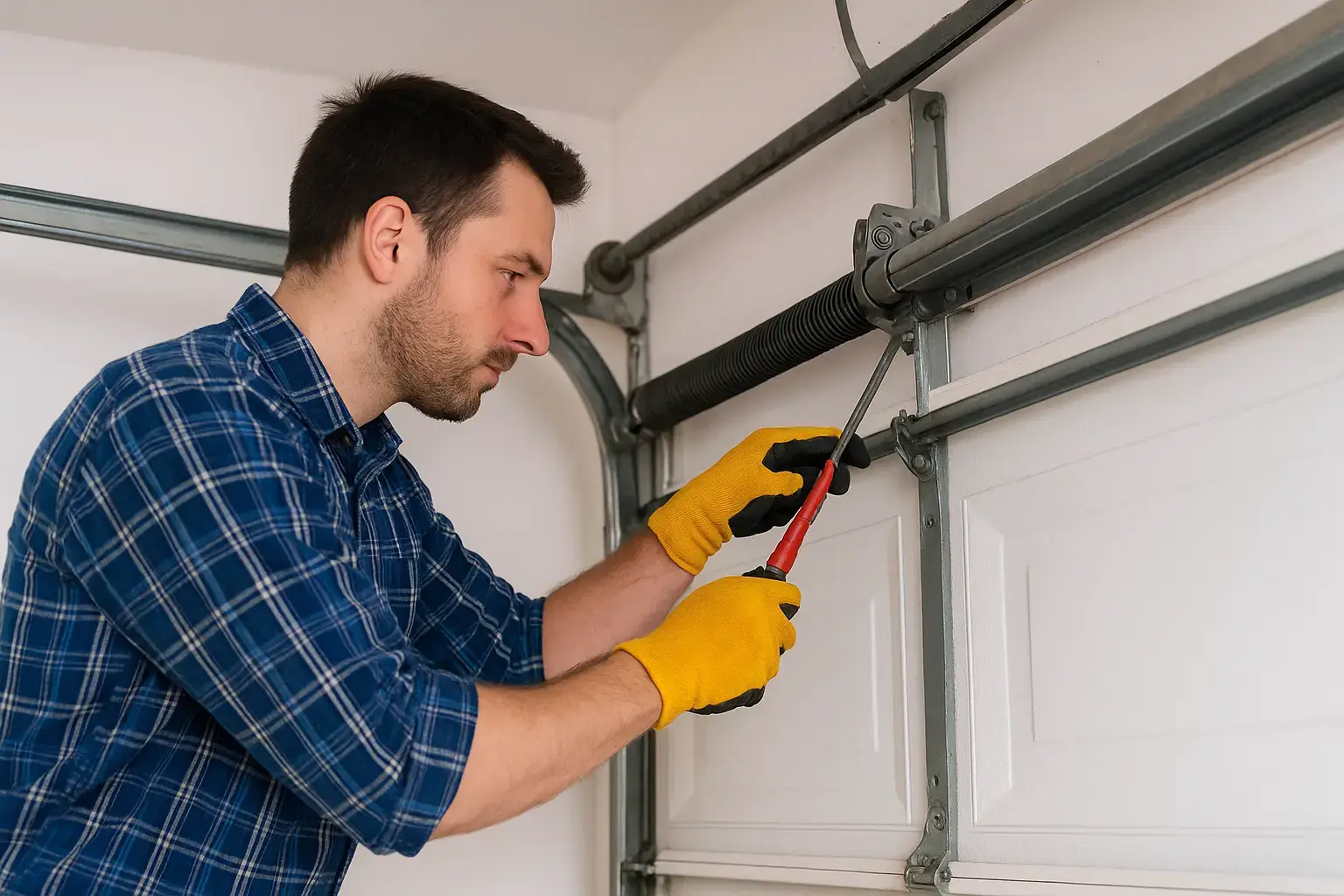
- Attach brackets, springs, and cables
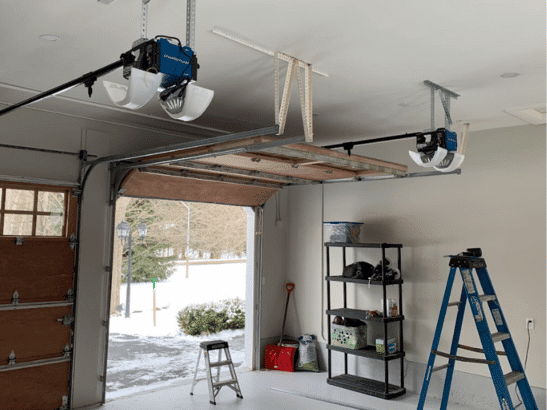
Step 5: Installing the Opener System
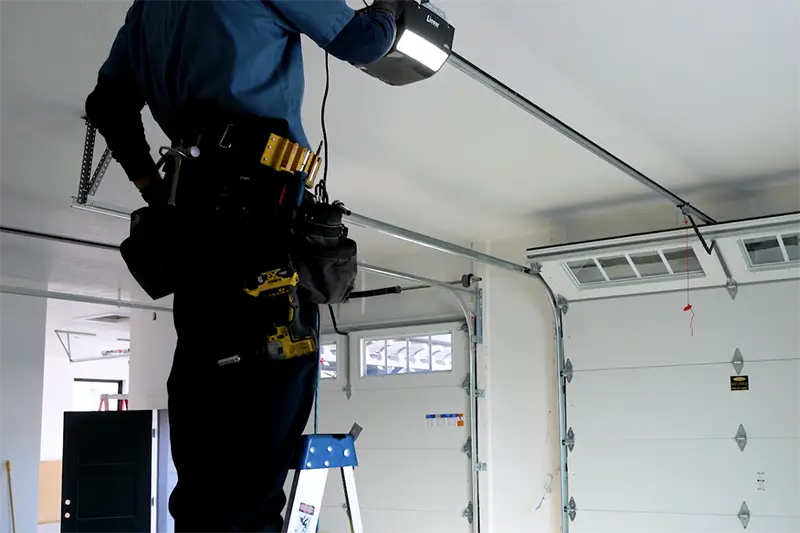
- Mount the opener securely
- Program remote controls and safety features
Step 6: Testing and Adjustment
- Ensure smooth operation
- Balance the door properly
- Adjust spring tension and safety features
Should You Hire Professionals or DIY?
Garage door installation may seem straightforward, but it involves technical expertise. Here are key considerations:
| Option | Pros | Cons |
| DIY Installation | Save on labor costs | Safety risks, lack of warranty |
| Professional Installation | Expertise, warranty, safety | Higher upfront cost |
For most homeowners, hiring professionals like INO Garage Doors ensures a safe and efficient installation.
What Are Common Mistakes in Garage Door Installation?
Avoid these pitfalls during garage door installation:
- Incorrect Measurements: Leads to poor fit and extra costs.
- Improper Spring Tension: Can cause door imbalance.
- Skipping Safety Features: Never disable sensors or auto-reverse.
- Using Subpar Materials: Results in frequent repairs and maintenance.
How Long Does Garage Door Installation Take?
The time required varies:
| Installation Type | Estimated Time |
| New Build | 4-6 hours |
| Replacement | 3-5 hours |
| Complex Custom Install | 1-2 days |
Delays may occur if additional framing or electrical work is needed.
What Are the Signs You Need Garage Door Replacement?
You might need a garage door installation if you notice:
- Excessive noise during operation
- Sagging or warped panels
- Broken springs or cables
- Outdated manual operation
- Visible rust or rot
How Often Should You Maintain Your Garage Door?
Routine maintenance can extend the life of your garage door installation:
- Lubricate moving parts every 6 months
- Inspect springs, cables, and rollers monthly
- Clean tracks and remove debris regularly
- Tighten loose hardware annually
What Questions Should You Ask a Garage Door Installer?
Before hiring an installer for garage door installation, ask:
- Are you licensed and insured?
- Do you offer warranties on parts and labor?
- How much experience do you have?
- Can you provide references?
- What brands and models do you recommend?
Which Garage Door Opener Is Best for My Installation?
Choosing the right opener depends on your needs:
| Opener Type | Features | Best For |
| Chain Drive | Affordable, strong | Heavy doors, detached garages |
| Belt Drive | Quiet operation | Attached garages |
| Screw Drive | Low maintenance | Mild climates |
| Direct Drive | Smooth, quiet, durable | Luxury installations |
A professional garage door installation company will help you select the best opener.
What Safety Regulations Apply to Garage Door Installation?
Compliance with safety codes ensures proper functioning:
- UL 325 Standard: For automatic openers
- Building Codes: Regional requirements for wind resistance
- Child Safety Regulations: Sensors and manual overrides
Always confirm that your garage door installation adheres to local and federal regulations.
How Does Climate Affect Garage Door Installation?
Different climates require different solutions:
| Climate Type | Considerations |
| Cold | Insulation, thermal seals |
| Humid | Rust-resistant materials |
| Coastal | Fiberglass or aluminum to resist salt air |
| Dry | UV protection, paint durability |
Are Smart Garage Doors Worth It?
Modern technology has transformed garage door installation. Smart doors offer:
- Remote operation via smartphone
- Real-time alerts and status updates
- Integration with home automation systems
These features add convenience and security but may increase upfront costs.
Can Garage Door Installation Improve Energy Efficiency?
Yes, a properly insulated garage door installation can:
- Reduce heating and cooling costs
- Prevent drafts and air leakage
- Protect stored items from temperature fluctuations
Look for doors with high R-values to maximize energy savings.
What Materials Require the Least Maintenance?
For low-maintenance garage door installation:
- Choose steel with powder-coating or vinyl.
- Avoid wood if you prefer minimal upkeep.
- Aluminum offers a balance between maintenance and aesthetics.
Is Noise a Concern with Garage Door Installation?
Yes, especially in attached garages. Choose:
- Belt drive openers for quiet operation
- Nylon rollers to reduce friction noise
- Insulated doors for sound dampening
How Does a Garage Door Enhance Curb Appeal?
A stylish garage door installation can transform your home’s exterior:
- Custom colors and finishes
- Decorative hardware
- Window inserts and unique panel designs
Your garage door often covers up to 40% of your home’s facade, making it a key design feature.
Are There Eco-Friendly Garage Door Options?
Yes, sustainable garage door installation options include:
- Recycled steel or aluminum doors
- FSC-certified wood doors
- Energy-efficient insulation materials
Eco-friendly choices can contribute to a greener home.
Can a Garage Door Installation Increase My Home’s Value?
Absolutely. Studies show that garage door installation offers one of the highest returns on investment for home improvements. A new door can:
- Increase resale value
- Attract potential buyers
- Improve overall aesthetics
What Are Some Customization Options for Garage Doors?
Personalize your garage door installation with:
- Custom colors to match your home
- Windows for natural light
- Decorative hardware (hinges, handles)
- Smart technology integration
How Do You Prepare for Garage Door Installation?
Before the installer arrives:
- Clear the driveway and garage area
- Ensure easy access to power outlets
- Remove vehicles and stored items
- Inform neighbors if noise may be disruptive
What Tools Are Used in Garage Door Installation?
Installers commonly use:
- Level and tape measure
- Power drill and drivers
- Wrenches and socket sets
- Torsion spring winding bars
- Safety glasses and gloves
Proper tools ensure a safe and precise garage door installation.
Can You Reuse Old Garage Door Tracks?
In most cases, it’s not recommended. New garage door installation often requires:
- Updated track sizes for modern doors
- Compatible hardware for new openers
- Ensuring alignment and safety standards
Reusing old tracks can lead to operational issues and safety hazards.
What If Your Garage Opening Is Non-Standard?
Custom garage door installation solutions include:
- Custom-sized doors
- Modified framing
- Specialty tracks and openers
Professional installers like INO Garage Doors have experience handling non-standard openings.
How Does Garage Door Installation Affect Home Security?
Modern garage door installation enhances security by:
- Using rolling code technology to prevent hacking
- Reinforced locking systems
- Smart notifications for unauthorized access
- Automatic closing features
Securing your garage protects both your vehicles and your home’s interior access points.
What Are Common Myths About Garage Door Installation?
- “DIY is always cheaper.” Mistakes can lead to higher repair costs.
- “Insulation isn’t necessary.” Insulation saves energy and protects belongings.
- “All doors are the same.” Materials, safety features, and durability vary greatly.
- “Professional installation isn’t worth it.” Expertise ensures long-term reliability.
How Do You Maintain a Newly Installed Garage Door?
After your garage door installation:
- Lubricate all moving parts every 6 months
- Check balance by disconnecting the opener and manually operating the door
- Inspect safety sensors monthly
- Keep tracks clean and free from debris
What Happens If a Garage Door Spring Breaks?
Garage door springs bear significant tension. If one breaks:
- Do not attempt DIY repairs
- Avoid using the door until serviced
- Contact professionals like INO Garage Doors for safe replacement
Attempting spring repair without expertise is extremely dangerous.
Can You Install a Garage Door in Cold Weather?
Yes, but there are considerations:
- Materials can contract, affecting fit
- Ensure adhesive seals properly
- Use lubricants designed for low temperatures
Professionals are equipped to handle garage door installation year-round.
What Are the Latest Trends in Garage Door Installation?
Recent trends include:
- Full-view glass doors
- Bold color choices (black, navy, deep red)
- Smart technology integration
- Energy-efficient insulated doors
Staying updated with trends can add a modern touch to your home.
Does HOA Approval Affect Garage Door Installation?
If you live in a community with an HOA:
- Submit designs for approval
- Verify permitted colors and styles
- Ensure compliance to avoid fines
A professional installer can assist with HOA requirements for smooth garage door installation.
FAQs
How long do garage doors typically last?
With proper maintenance, most garage doors last 15-30 years, depending on material and usage.
Can a garage door be installed in one day?
Yes, standard garage door installation can often be completed within one day by professionals.
Is garage door insulation worth it?
Absolutely. Insulation improves energy efficiency, soundproofing, and durability.
Do I need a permit for garage door installation?
Some municipalities require permits, especially for structural changes. Your installer can guide you.
What brands do professional installers recommend?
Reputable brands include Clopay, Amarr, Wayne Dalton, and LiftMaster for openers.
Can I install a smart opener later?
Yes, many systems allow for smart opener retrofitting even after garage door installation.
For a professional, safe, and efficient garage door installation, trust the experienced team at INO Garage Doors. Their expertise ensures your door not only looks great but performs flawlessly for years to come.