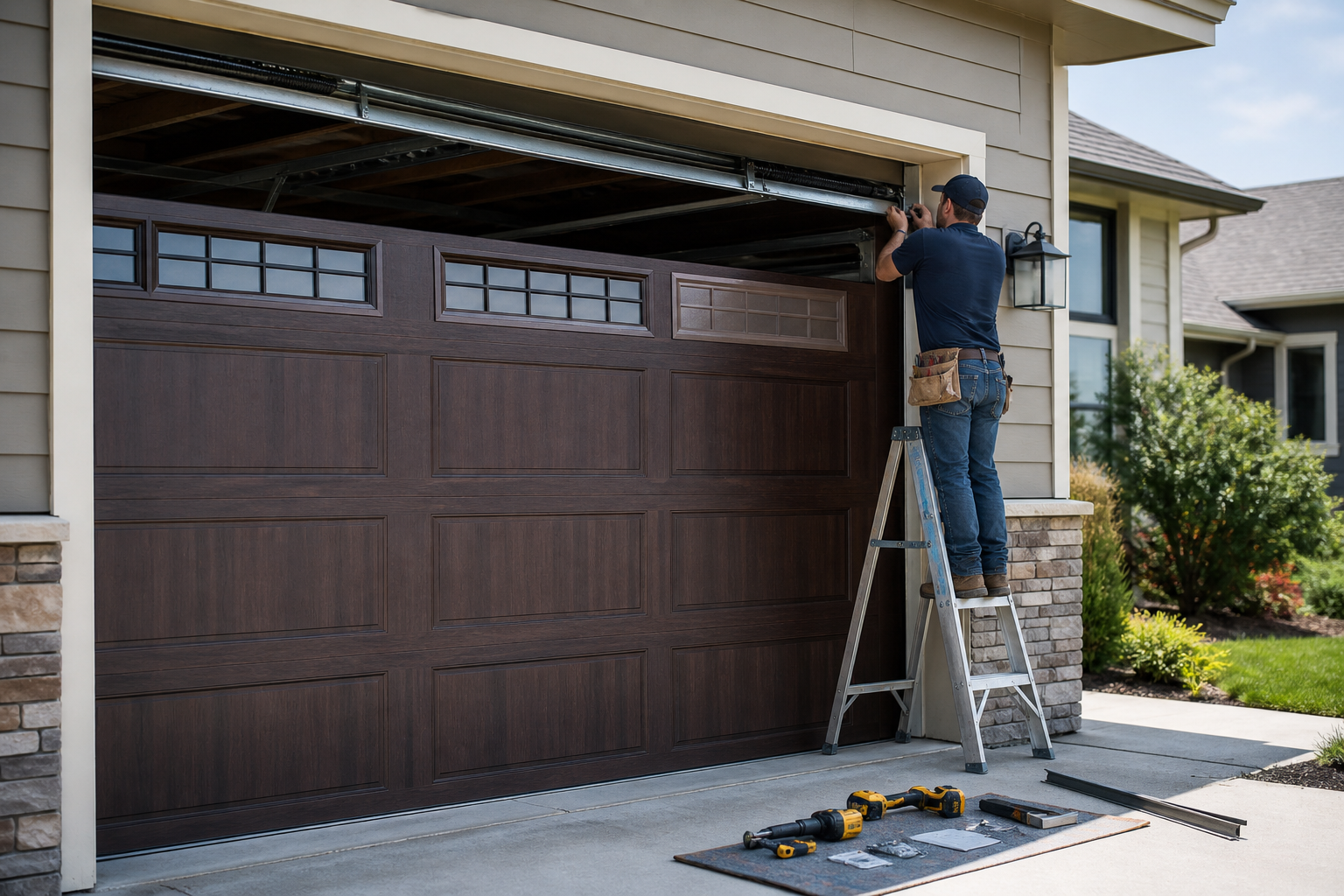
Introduction to Garage Door Installation
Why It’s More Than Just a Door
A garage door isn’t just a door—it’s a statement piece, a security measure, and a layer of insulation between your home and the elements. Whether you’re upgrading for aesthetics or functionality, a proper garage door installation is key to getting the most out of this crucial feature.
The Role of a Professional Installation
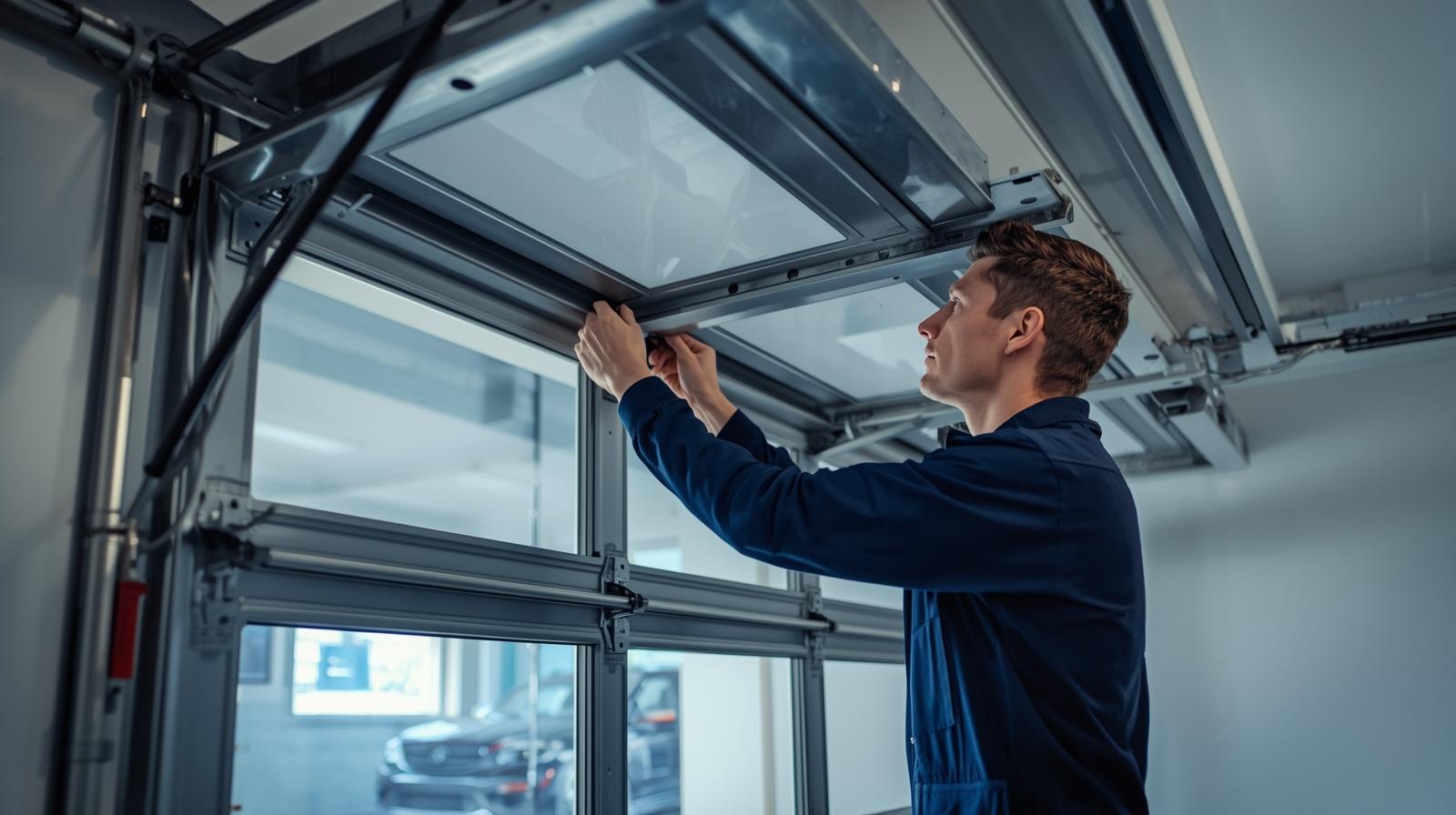
Professional installers bring precision, safety, and speed to the job. A poorly installed garage door can pose safety hazards, affect your home’s energy efficiency, and cost more in the long run. That’s where the pros like INO Garage Doors come into play—they bring peace of mind with every panel and spring.

Types of Garage Doors You Can Choose
Sectional Garage Doors
These are the most common in residential settings. Made up of panel sections connected with hinges, they open vertically and rest parallel to the ceiling.
Roll-Up Garage Doors
Popular for commercial use, roll-ups are built for heavy-duty operation and limited ceiling space. They’re compact, durable, and reliable.
Side-Hinged Garage Doors
Old-school but charming, these doors swing open like barn doors. Great for homeowners going for a vintage or farmhouse look.
Tilt-Up Garage Doors
These come in two styles: canopy and retractable. They tilt outward and then lift up, sitting parallel to the ceiling when open.
Custom Garage Doors
Looking for something unique? Custom doors allow you to choose materials, styles, windows, and finishes tailored to your home’s design.
Which Garage Door Material Is Right for You?
| Material | Pros | Cons |
| Steel | Durable, affordable, low-maintenance | Can rust without proper coating |
| Aluminum | Lightweight, rust-resistant | Easily dents |
| Wood | Aesthetic appeal, customizable | Expensive, requires maintenance |
| Fiberglass | Resistant to salt-air corrosion | Can yellow with age |
| Vinyl | Durable, low-maintenance | Limited design options |
What Are the Signs You Need a New Garage Door?
It Makes Too Much Noise
If your door sounds like it’s crying for help every time it opens, it might be time for a replacement—not just a lubrication job.
You Notice Sagging or Cracks
Wood doors are notorious for warping and sagging. If your door no longer sits level, it’s a safety concern.
Difficulty Opening and Closing
If you have to muscle it up or down, the springs or rollers might be worn out. Consistent problems mean it’s more than a repair job.

How to Prepare for a Garage Door Installation
Clear the Workspace
Before your installers arrive, make sure to move your car, storage bins, and anything else that might get in the way.
Confirm Measurements
Accurate width and height measurements are crucial. Double-check with the installer for final validation.
Choose Your Design and Features
This includes materials, color, windows, insulation, and even the type of opener system. Pick features that fit your lifestyle and climate.
Step-by-Step Garage Door Installation Process
Removing the Old Door
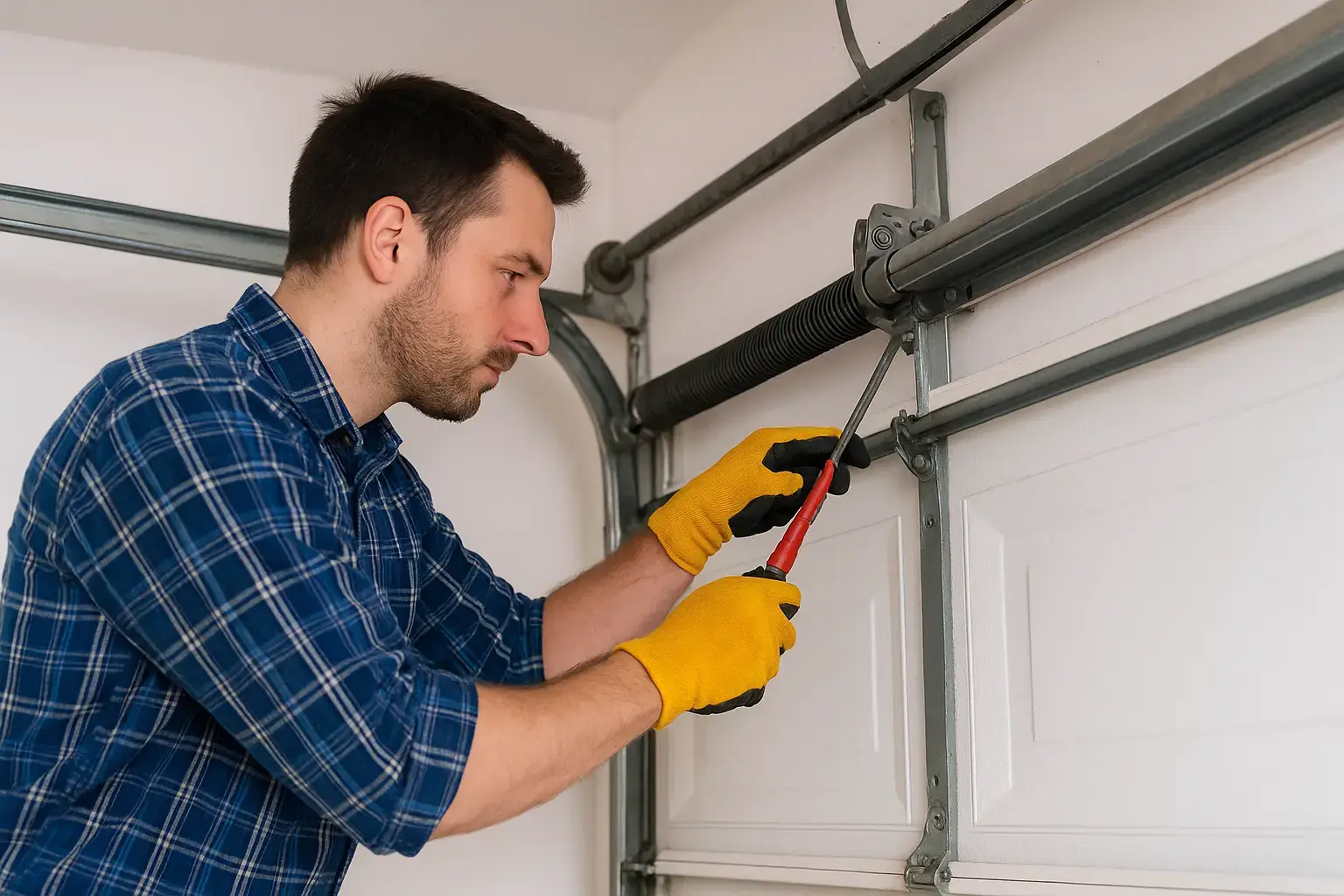
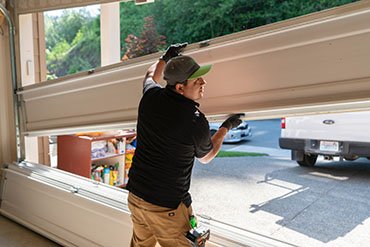
The existing door is disassembled and taken down, panel by panel, often starting with the spring system to ensure safety.
Installing Tracks and Hardware
Next, the horizontal and vertical tracks are installed. These guide the door’s motion and must be precisely aligned.
Mounting the New Panels
Panels are installed from the bottom up. Hinges and rollers are secured at every level to ensure smooth operation.
Installing the Opener System
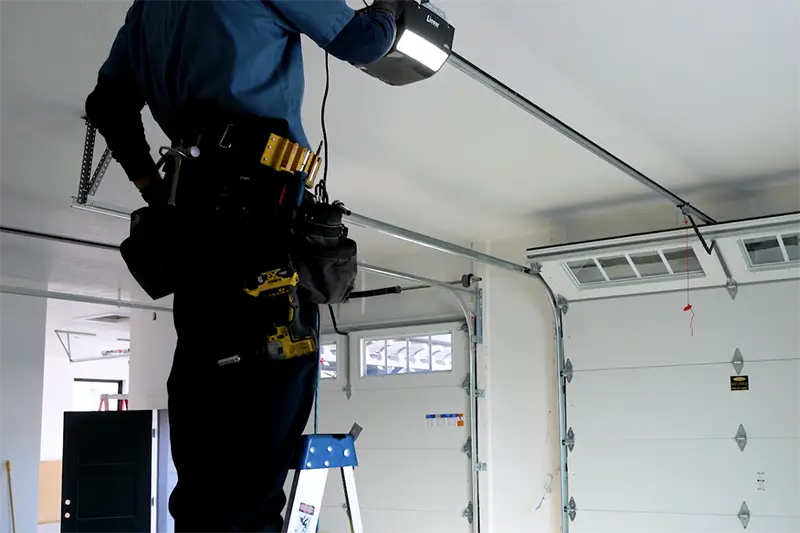
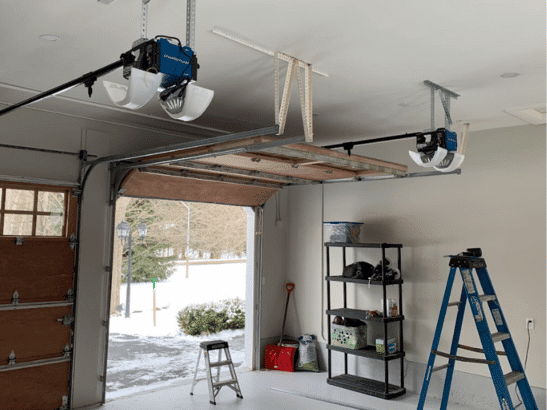
Whether you choose chain-driven, belt-driven, or smart openers, this step involves mounting the motor and syncing it with the door.
Final Safety Checks
Your installer will test the balance, reverse mechanism, sensors, and controls to ensure everything functions flawlessly.
Why You Should Hire a Pro Instead of DIY
Safety Concerns
Garage doors are heavy, and their springs are under high tension. One wrong move can cause serious injury.
Precision and Performance
Installers ensure perfect alignment, reducing wear and tear and extending the door’s life span.
Warranty and Support
Professional installation often includes a warranty on parts and labor—a huge plus if something goes wrong later.
How Long Does a Garage Door Installation Take?
Residential Installations
Most home garage doors can be installed in 4–6 hours, depending on complexity and customization.
Commercial Installations
Larger doors with advanced openers can take a full day or more, especially if structural adjustments are needed.
Common Garage Door Features You Can Add
Smart Openers
Open and monitor your garage from your smartphone, no matter where you are.
Keypad Entry
Perfect for families and frequent visitors, offering access without keys or remotes.
Battery Backup
Ensure your garage opens even during power outages—a must-have in storm-prone areas.
Insulation Options
Better insulation means better energy savings and noise reduction. Look for high R-value ratings.
What Questions Should You Ask Before Installation?
What’s Included in the Quote?
Make sure it covers materials, labor, removal of old doors, and any permits if needed.
Is Maintenance Included?
Some companies offer a few months of free tune-ups. It’s worth asking about!
What Warranty Is Offered?
Look for warranties that cover both parts and labor for at least a year or two.
Maintenance Tips After Your Garage Door Installation
Lubrication of Moving Parts
Use a silicone-based lubricant on rollers, hinges, and springs every 6 months.
Tightening Hardware
Vibration can loosen screws and bolts. Grab a wrench and give everything a quick once-over regularly.
Testing the Balance
Disconnect the opener and manually lift the door. If it doesn’t stay halfway up, it might need spring adjustment.
Benefits of a New Garage Door
Improved Curb Appeal
One of the first things people notice about your home is the garage door. A stylish, new garage door can instantly elevate the look of your property and even influence its market value.
Better Energy Efficiency
Modern doors come equipped with insulation that helps regulate your garage’s temperature. This is especially beneficial if you use the space as a workshop, gym, or additional storage.
Enhanced Security
New garage doors offer better locking mechanisms, stronger materials, and advanced openers with rolling codes that change every time the remote is used—making it tough for intruders to crack the code.
Environmental Considerations
Eco-Friendly Materials
More manufacturers are turning to sustainable resources such as recycled steel or wood alternatives. Choosing these options helps reduce your carbon footprint without sacrificing durability.
Energy-Efficient Designs
Insulated doors reduce energy consumption by keeping warm air inside during winter and hot air out during summer, which is good for your wallet and the planet.
Why Choose INO Garage Doors for Your Garage Door Installation?
Experienced Technicians
At INO Garage Doors, installations are performed by certified professionals who bring years of expertise and hands-on experience to every project.
Custom Design Solutions
No two homes are the same—so why settle for a generic door? INO offers a variety of design options that can be tailored to match your home’s style and your personal taste.
Outstanding Customer Service
From the initial consultation to the final bolt, INO Garage Doors provides transparent communication, upfront pricing, and responsive support—making the whole process smooth and stress-free.
Conclusion
Garage door installation might not be something you think about every day, but it plays a big role in your home’s security, appearance, and energy efficiency. Whether you’re replacing an outdated door or installing a new one from scratch, knowing your options and preparing properly can make a huge difference.
And while DIY might be tempting, hiring a professional team like INO Garage Doors ensures everything’s done right—the first time. So clear your garage, jot down your ideas, and get ready to install a door that does more than just open and close.
FAQs
How often should I replace my garage door?
Generally, garage doors last 15 to 30 years depending on the material, maintenance, and usage. If yours is showing signs of wear, it might be time for a new one.
Can I install a garage door by myself?
Technically, yes—but it’s not recommended. The weight, tension in the springs, and complexity of the system make it a risky DIY job. It’s safer and more efficient to hire professionals.
Do garage doors come with insulation?
Yes, many modern garage doors come pre-insulated. You can also choose the level of insulation based on R-value, which determines thermal resistance.
How do I choose between manual and automatic doors?
Automatic doors offer convenience and added security, while manual doors are simpler and cost less. Consider your lifestyle and budget when deciding.
Will a new garage door increase home value?
Absolutely! It’s one of the top home improvement projects for ROI. A stylish, efficient garage door adds curb appeal and modern functionality, which can attract buyers if you ever sell.