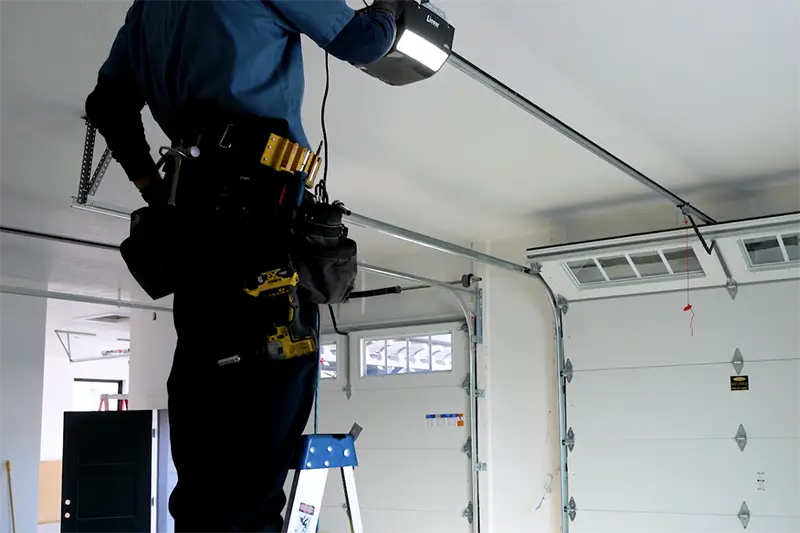
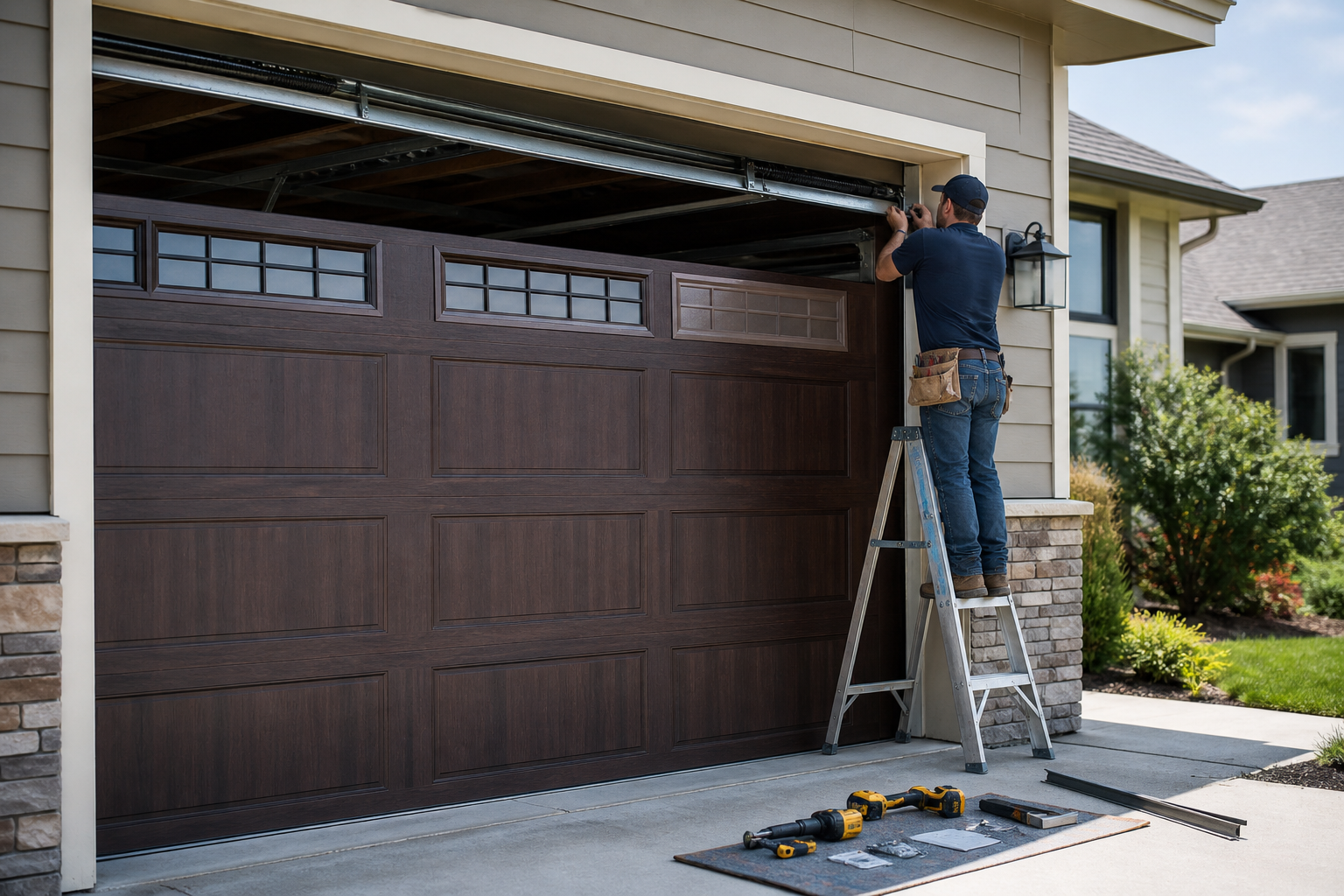
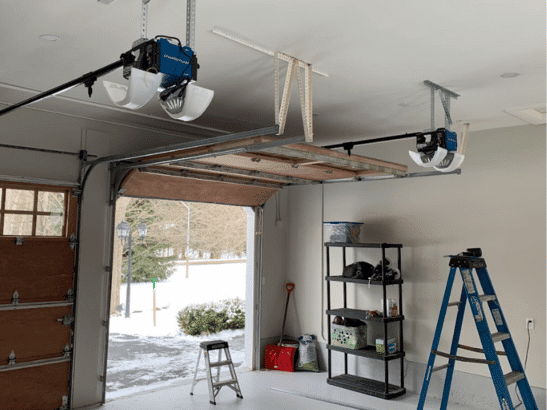
Introduction to Garage Door Repair
Why Garage Door Repair is Essential
Your garage door is more than just an entrance—it’s a critical part of your home’s security, convenience, and even curb appeal. When it works well, you hardly notice it. But when it breaks? Oh boy, everything comes to a screeching halt. That’s why garage door repair isn’t just a chore—it’s a must-do.
Common Garage Door Problems You Might Face
Here’s a quick peek at what could go wrong:
- Door doesn’t open or close
- Loud, annoying noises
- Remote isn’t responding
- Uneven or sagging doors
- Rollers jumping out of the track
Each of these issues can escalate if ignored, leading to more expensive repairs or even safety hazards.
Understanding Your Garage Door System
Components of a Garage Door
To understand garage door repair, it helps to know the basics:
| Component | Function |
| Springs | Provide lifting force |
| Cables | Support door weight and movement |
| Rollers | Help the door move along the tracks |
| Tracks | Guide the door up and down |
| Opener | Motor that drives the door |
| Panels | Sections of the door itself |
| Sensors | Prevent accidents by detecting obstacles |

Types of Garage Doors and How They Operate
Garage doors vary, and so do their quirks:
- Sectional Doors: Most common; move up in sections.
- Roll-Up Doors: Compact and great for commercial use.
- Slide-to-Side Doors: Move sideways along a track.
- Side-Hinged Doors: Classic barn-door style.
- Tilt-Up/Up-and-Over Doors: One solid panel that tilts up.
Each type can experience unique repair issues.
What Are the Signs You Need Garage Door Repair?
Noisy Operation
Garage doors shouldn’t sound like a freight train. Grinding, squealing, or clunking noises usually point to worn-out rollers, broken springs, or poor lubrication.
Door Won’t Open or Close
Whether it’s stuck halfway or not responding at all, this is a red flag. It could be anything from a misaligned sensor to a busted opener.
Sagging or Uneven Doors
If your door looks lopsided, don’t ignore it. It could be a sign of worn cables or spring issues that affect balance and safety.
Should You DIY or Call a Pro?
When It’s Safe to DIY
- Replacing weather stripping
- Tightening loose bolts
- Cleaning and lubricating parts
But even these need caution. Always disconnect the opener before tinkering.
Dangers of DIY Repairs
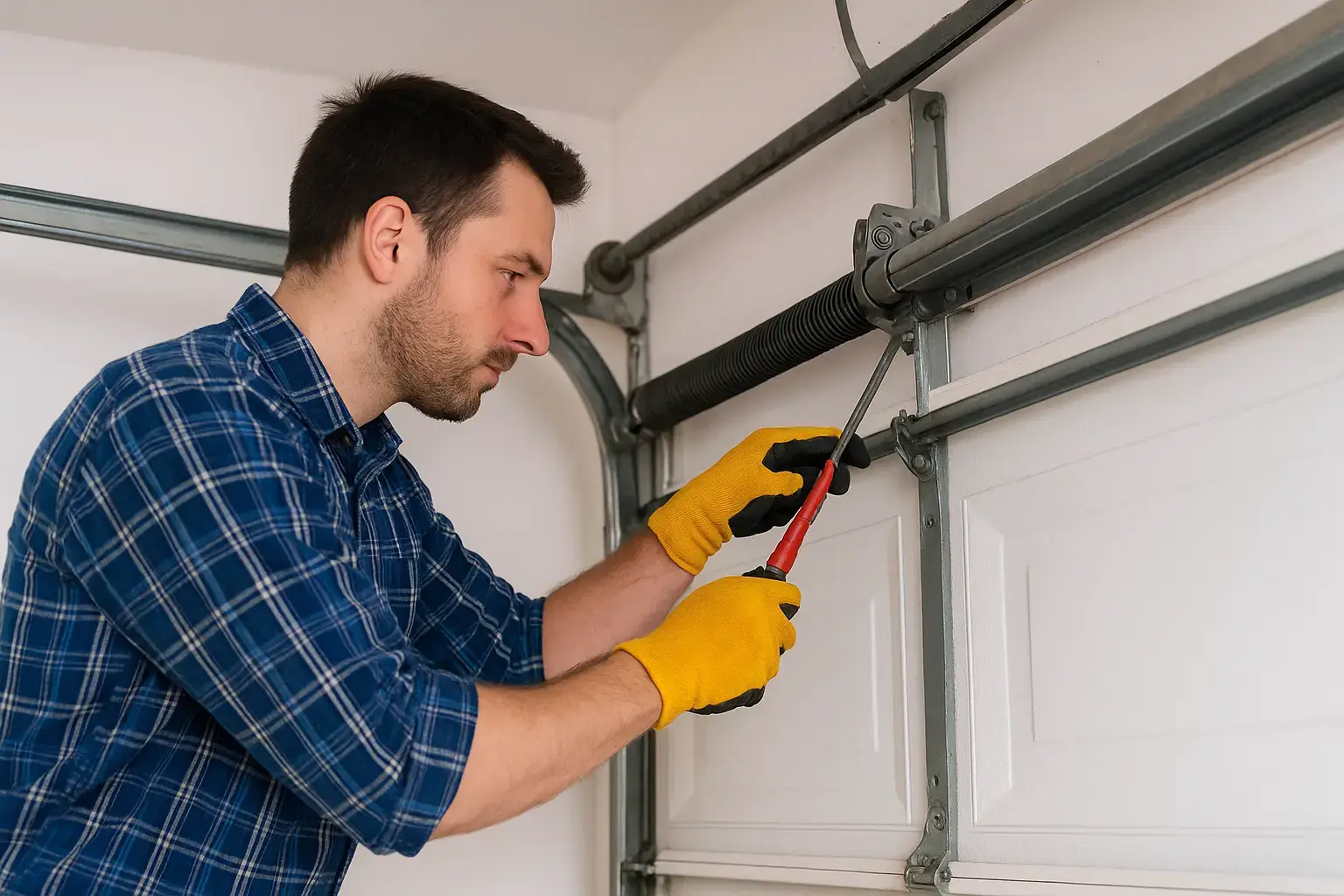
Some repairs—especially those involving springs and cables—can be extremely dangerous. One wrong move and you’re looking at serious injury.
Benefits of Hiring a Professional
Calling pros like INO Garage Doors means:
- Safe and precise repair
- Warranty-backed service
- Right tools for the job
- Time saved
How to Choose the Right Garage Door Repair Company
What to Look For
- Licensed and insured
- Good online reviews
- Transparent estimates
- Fast response time
Questions You Should Ask Before Hiring
- Do you offer emergency services?
- What’s your warranty policy?
- Are your technicians certified?
Why Locals Trust INO Garage Doors
Serving with integrity, INO Garage Doors delivers expert garage door repair services with a smile. Their team is known for being prompt, reliable, and honest.
The Repair Process Explained
Inspection
First, a thorough check of every component is done to identify what’s wrong.
Diagnosis and Options
You’ll get a breakdown of what needs fixing and why, plus options that fit your needs and budget.
Actual Repairs and Testing
Once approved, the tech gets to work. After repair, they’ll test everything multiple times to make sure it’s working smoothly.
Most Common Garage Door Repairs
Broken Springs
Probably the most common issue. Springs handle the heavy lifting—literally. When they snap, your door won’t budge.
Damaged Panels
Whether from weather or an accidental bump with the car, panel damage messes with the door’s look and structure.
Misaligned Tracks
If the door isn’t gliding smoothly, the tracks could be out of line. This needs quick fixing to prevent worse damage.
Sensor Issues
Sometimes the eyes of your door—aka the safety sensors—get dirty or misaligned, stopping the door from closing.
How to Maintain Your Garage Door Post-Repair
Lubrication Tips
Think of lubrication as giving your garage door a spa day. Apply a silicone-based lubricant to:
- Rollers
- Hinges
- Springs
- Tracks (lightly)
Do this every six months to keep things smooth and quiet.
Seasonal Inspection Checklist
Here’s a simple list to follow with the changing seasons:
| Season | Inspection Tasks |
| Spring | Check weather seals, lubricate parts |
| Summer | Test sensors, clean tracks |
| Fall | Inspect springs and cables for wear |
| Winter | Ensure opener works in cold, clear snow/ice |
Keeping the Tracks Clean
Dust, dirt, and debris can throw your door off-track—literally. Use a damp cloth and vacuum to keep those tracks clean and obstacle-free.
Garage Door Repair Cost Factors (Non-Pricing Overview)
Let’s avoid specific numbers and talk factors instead.
Type of Repair
Fixing a spring is vastly different from replacing an opener or entire panel.
Door Material
Wood, aluminum, steel, fiberglass—they all age and break differently. Wood may need refinishing; steel might dent.
Age of Door
Older doors often require more work and may need part replacements not easily found.
Emergency Service vs. Scheduled Service
Need it done now? Emergency service is available but might have premium terms. Planning ahead can save stress and complexity.
Preventing Garage Door Problems Before They Start
Regular Inspections
Set a reminder every three months. Check springs, rollers, and opener functionality. A small check now avoids big bills later.
Timely Minor Repairs
Notice a squeak? A slow open? Fix it early. These little signs are often the calm before the storm.
Educating Your Family on Proper Usage
Teach your kids not to hang on the door or play near sensors. Remind everyone to avoid forcing the door open manually.
Environmental Impact of Ignoring Garage Door Issues
Energy Inefficiency
A damaged or poorly sealed garage door leaks heat in winter and cool air in summer—raising your energy bills unnecessarily.
Structural Damage
That uneven door? It can pull on the frame and foundation, creating serious home issues over time.
Safety Hazards
Broken springs or faulty sensors can result in injury. This isn’t just about convenience—it’s about safety.
How Long Do Garage Doors Typically Last?
Based on Material
| Material | Lifespan (Avg) |
| Steel | 20-30 years |
| Wood | 15-20 years |
| Aluminum | 20-25 years |
| Fiberglass | 15-20 years |
Based on Usage
Heavy usage (like multiple times daily) cuts lifespan dramatically unless regular maintenance is done.
Frequently Asked Garage Door Questions
Can garage doors be repaired or do they need to be replaced?
Most can be repaired unless there’s extreme damage or old age. A professional can tell you when it’s time to replace.
How long does a typical repair take?
Anywhere from 30 minutes to a few hours depending on the issue. Broken springs? About an hour. Opener replacement? Maybe two.
Are garage door repairs covered by insurance?
Usually not unless caused by a covered event (like a storm or vandalism). It’s best to check your policy details.
Is it safe to use the door while it’s damaged?
Nope. If it’s acting up, it’s best to stop using it. Forcing it could make things worse—or dangerous.
Real Customer Stories
From Stuck to Smooth: Emily’s Experience
Emily came home from a long day at work only to find her garage door frozen halfway. She contacted INO Garage Doors and within an hour, a technician was at her place. Not only was the issue resolved fast, but the tech also gave her tips on how to keep the door running like new.
Noise No More: Joe’s Relief
Joe’s garage door squealed like a banshee every time it opened. It drove him and his neighbors nuts. One visit from the INO team and his garage is now whisper-quiet. Joe sleeps better, and so do his neighbors.
Summary: Garage Door Repair Is More Than a Fix
Garage door repair is about restoring your home’s functionality, improving safety, and even saving energy. Whether it’s a quick sensor alignment or a full spring replacement, handling the issue promptly makes a massive difference.
From DIY tips to professional services, being proactive with your garage door keeps your home running smoothly and securely. And when in doubt? Let INO Garage Doors handle it with expertise and care.
FAQs
How often should garage doors be inspected?
Every three to six months is ideal. Look out for wear and tear on springs, rollers, and the opener.
What’s the most common reason for garage door failure?
Worn-out springs. They bear a lot of tension and eventually give way.
Can weather affect my garage door’s performance?
Absolutely. Cold can make metal parts brittle and misalign sensors. Hot weather can affect motors and expand components.
How do I know if my garage door spring is broken?
If the door won’t lift or slams shut, it’s likely a spring issue. You might also hear a loud bang when it breaks.
Is routine maintenance really necessary?
Yes, and it’s cheaper than emergency repairs. Regular care extends the life of your door and helps avoid breakdowns.