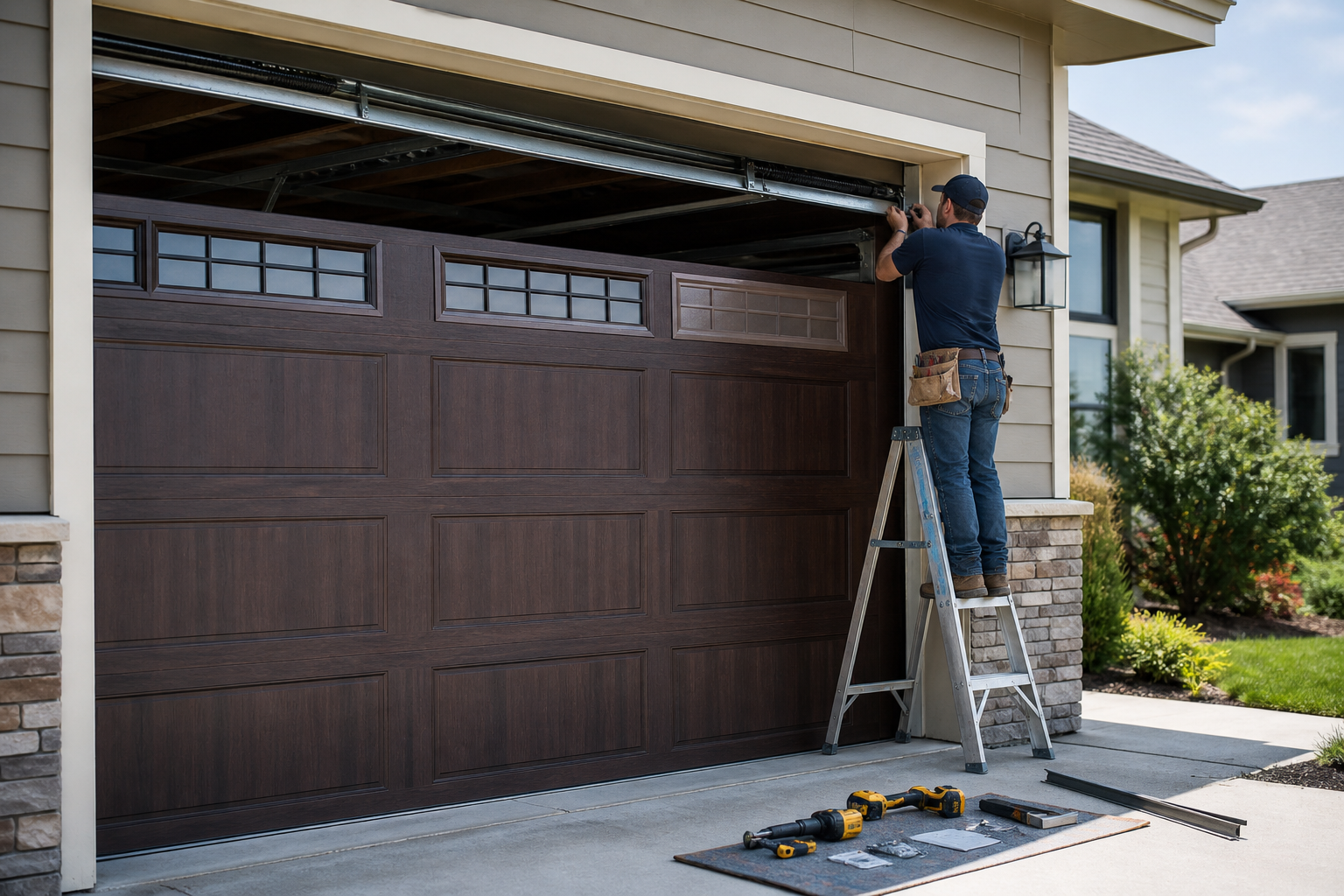
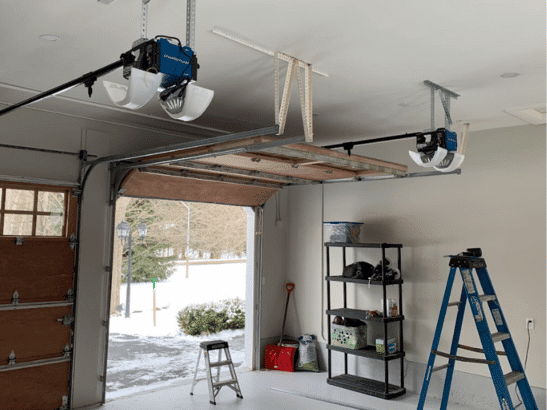
Garage door installation is a crucial aspect of home improvement that serves various purposes, significantly impacting both safety and convenience. As the entrance point to many homes, garages often house vehicles, tools, and other personal items, making it essential for their protection and functionality. Understanding the nuances of garage door installation can empower homeowners to make informed decisions that enhance their property’s value and security. This comprehensive guide intends to cover every facet of garage door installation, from understanding components to navigating the installation process, maintenance, and more.
Understanding Garage Door Installation
What exactly does garage door installation entail? At its core, it involves the process of securely fitting a garage door into its frame, ensuring that it operates smoothly and effectively. The importance of proper installation cannot be overstated; a well-installed garage door contributes to home security, offering safety against unauthorized entry while providing convenience in daily operations.
Moreover, a correctly installed garage door can enhance the aesthetic appeal of a home and prevent potential malfunctions that may lead to costly repairs. For instance, issues like misalignment or faulty wiring can occur if the installation is not performed meticulously. Thus, homeowners should prioritize proper installation as a central part of garage upkeep.
Key Components of a Garage Door System
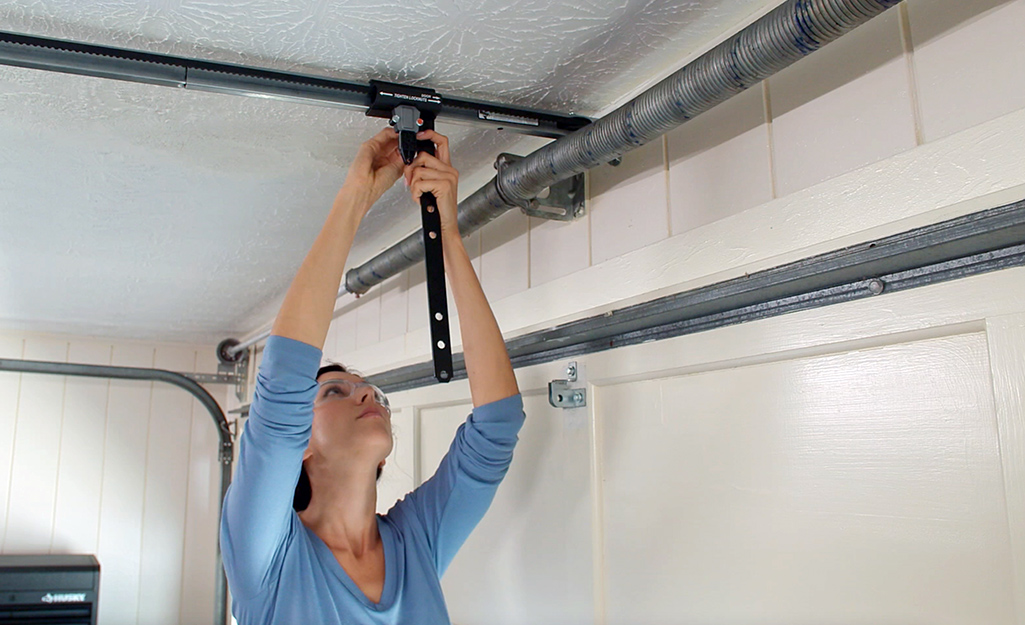
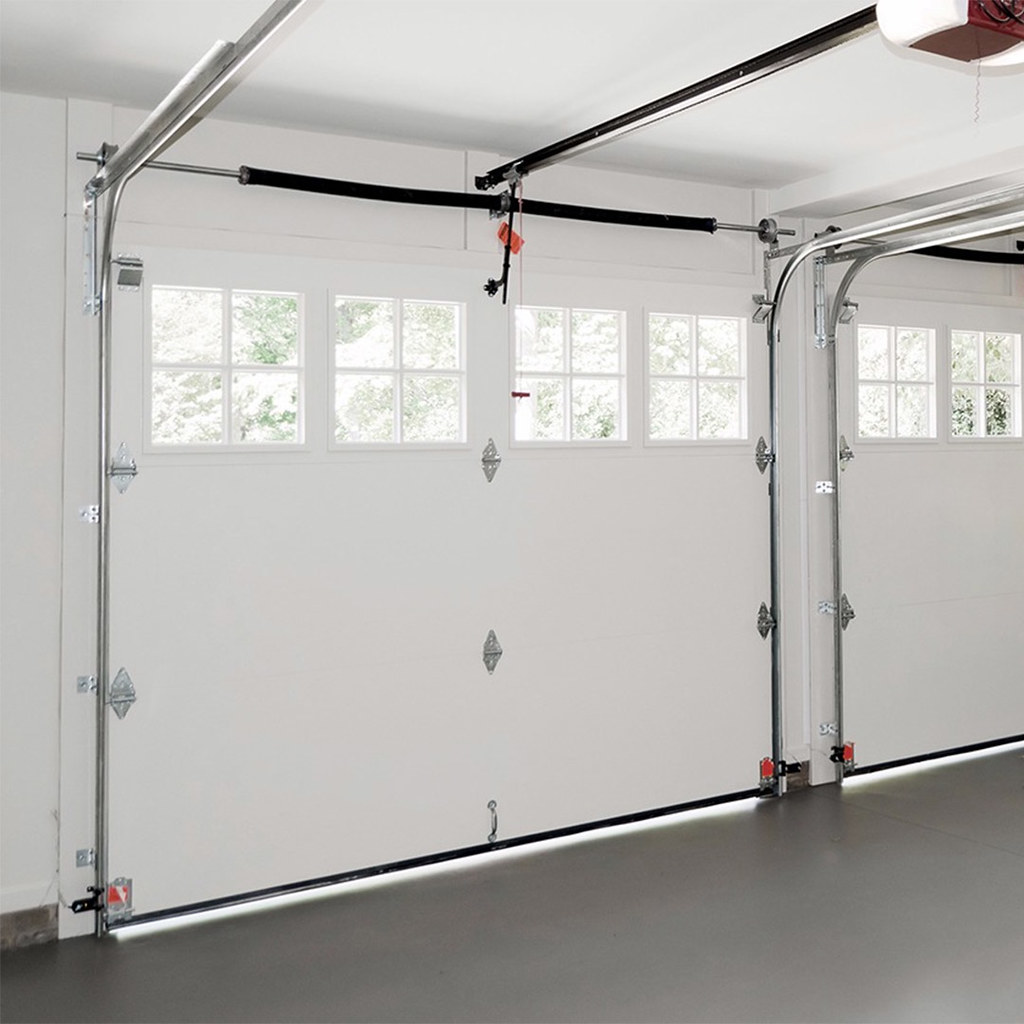
To fully grasp the intricacies of garage door installation, it is essential to become familiar with its key components. Each part plays a distinct role in ensuring the garage door operates effectively:
Garage Door: The visible part that acts as a barrier to the garage interior.
Opener: The device that automates the opening and closing of the door.
Tracks: Metal rails along which the garage door moves.
Springs: These assist in lifting and lowering the door smoothly.
Sensors: Essential for safety, sensors detect obstacles in the door’s path, ensuring it doesn’t close on anything or anyone.
Understanding these components helps homeowners appreciate the significance of precision during installation.
Types of Garage Doors
There are various types of garage doors available on the market, each designed for specific purposes. Common options include:
Sectional Doors: Comprising several panels hinged together; they are popular for their ease of use and insulation qualities.
Roller Doors: Made of flexible curtains of steel, these doors roll up into a coil above the opening, making them ideal for spaces with limited ceiling height.
Tilt-Up Doors: A single solid piece that tilts up to open, making them straightforward and economical.
Side-Hinged Doors: These resemble traditional doors, hinged on the side, offering a classical look but requiring more space to operate.
When choosing a garage door type, consider factors such as space, style, and usability.
Choosing the Right Garage Door Material
The material of a garage door can significantly influence its durability, maintenance needs, and aesthetic appeal. Here are some common materials along with their pros and cons:
Steel:
Pros: Durable, low maintenance, secure.
Cons: Prone to rust if not properly coated.
Wood:
Pros: Attractive, customizable designs.
Cons: Requires regular maintenance (painting/sealing).
Aluminum:
Pros: Lightweight, resistant to rust.
Cons: May dent more easily compared to steel.
Fiberglass:
Pros: Resistant to rust and corrosion, available in various styles.
Cons: Can be more expensive, and may not be as effective in insulation.
Selecting the right material hinges on personal preferences, budget, and desired functionality.
Why Professional Garage Door Installation is Essential
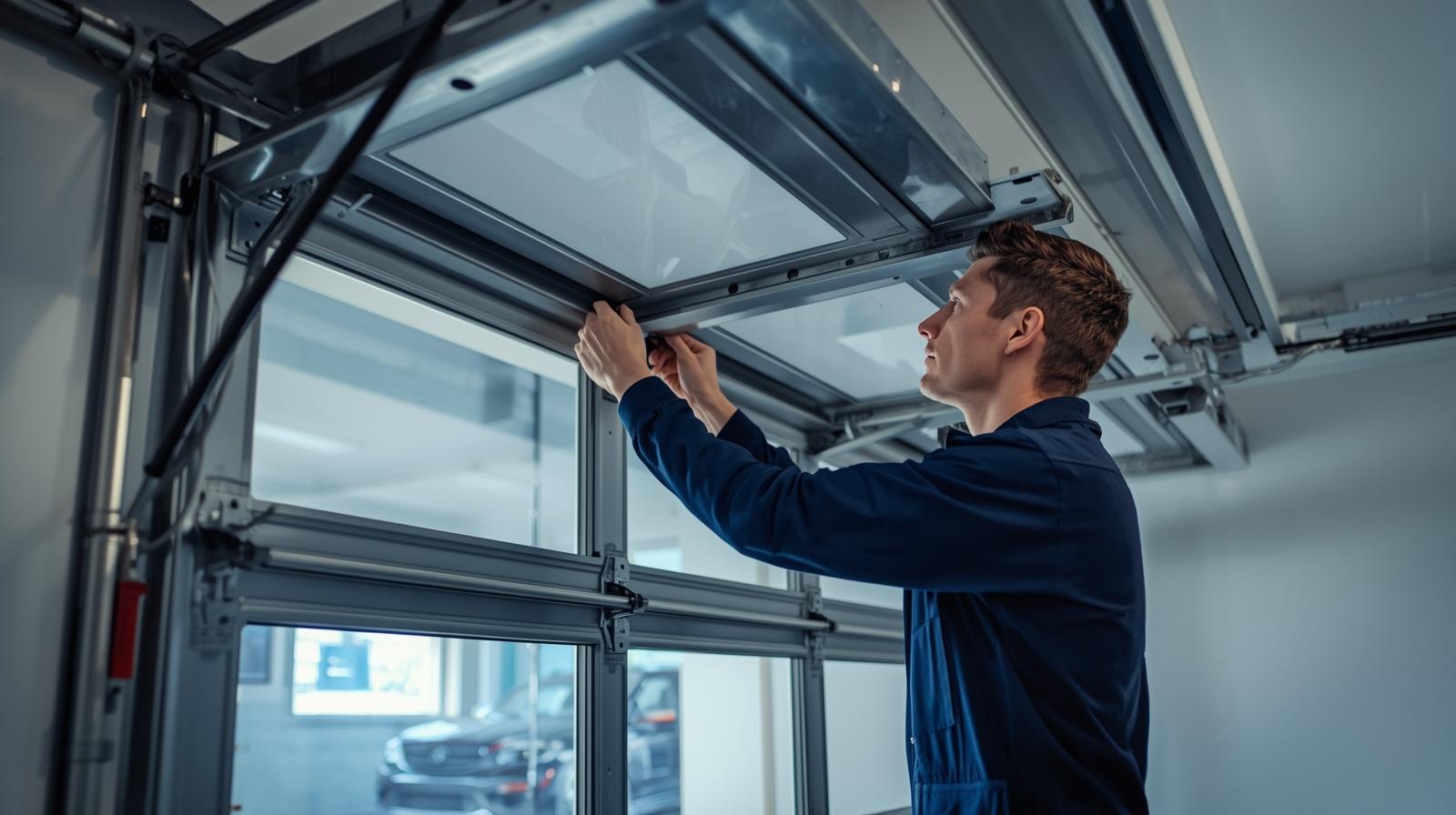
While some homeowners may consider a DIY approach for garage door installation, hiring a professional is often the wiser choice. Experienced installers bring expertise, ensuring that all components are aligned correctly for optimal performance.
Professional installers can also navigate potential challenges efficiently, reducing the risk of installation errors that could lead to safety hazards or future malfunctions. Using reputable brands like INO Garage Doors guarantees not only quality products but also peace of mind with expert installation services.
The Garage Door Installation Process
Successfully installing a garage door requires a systematic approach. Here is a step-by-step guide to facilitate the installation process.
Preparing for Installation
Before diving into the installation, ensure that the workspace is adequately prepared. Key preparations include:
Clearing the Area: Remove any clutter from around the garage door opening to create a safe work environment.
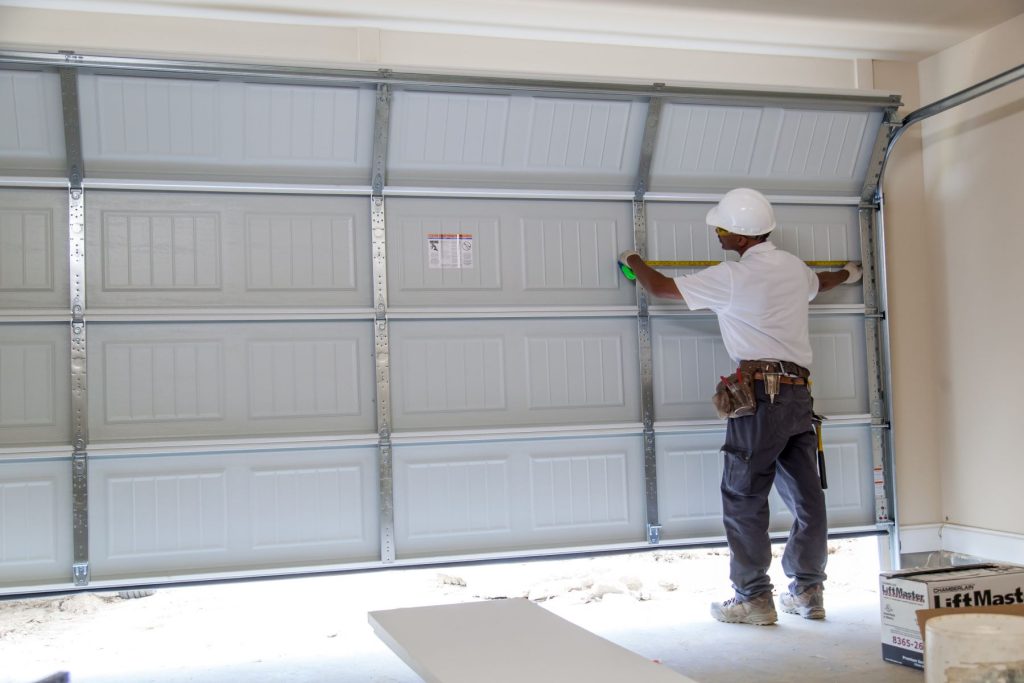
Measuring the Door Opening: Measure the height and width of the door frame, accounting for gaps that will be filled by the tracks and rails. Accurate measurements are crucial for ensuring a snug fit.
Removing Old Garage Doors
If replacing an existing door, follow these steps to remove the old one safely:
Disconnect the Opener: If the door is automated, unplug the opener before attempting to remove any components.
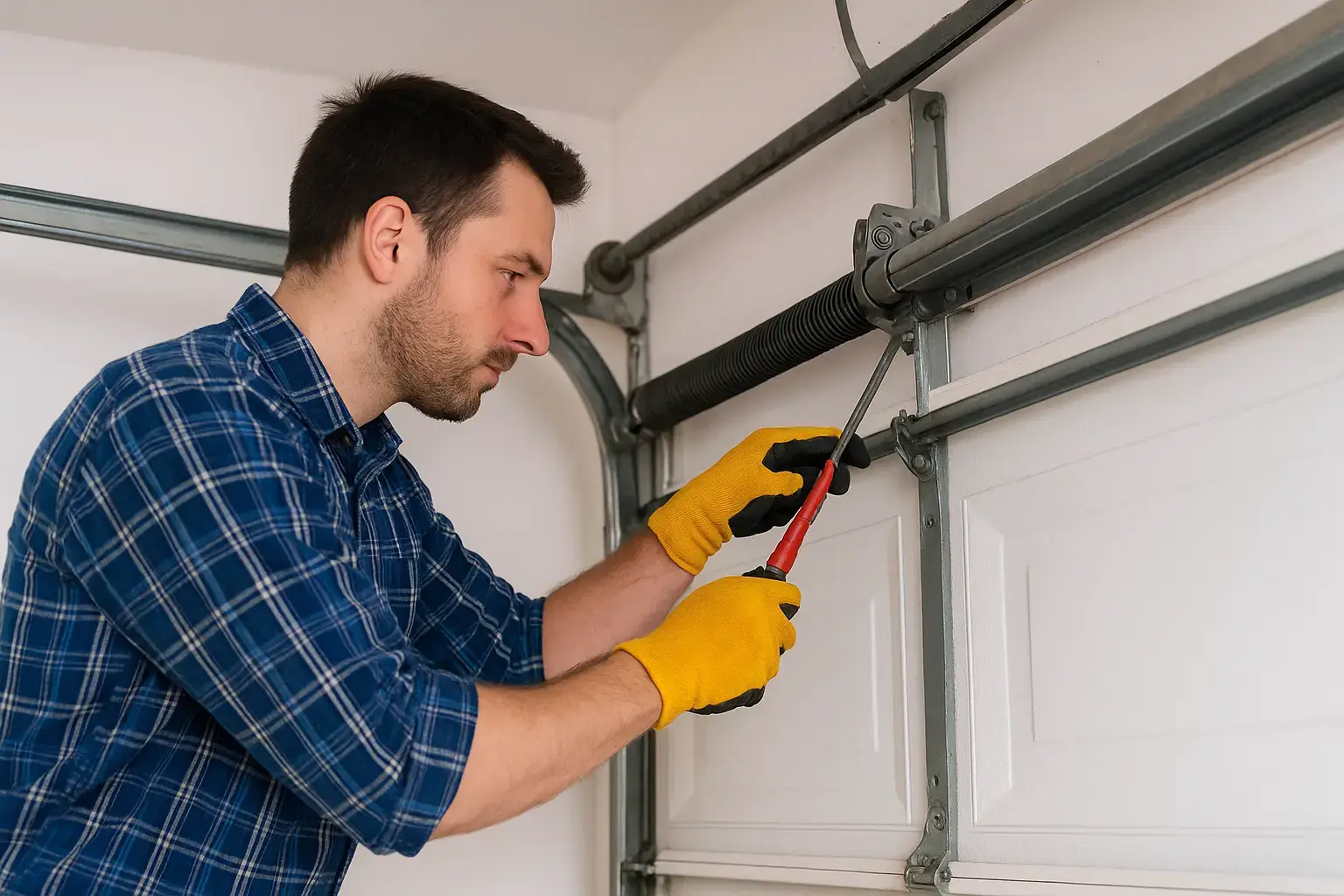
Detach the Springs: Carefully release the tension in the springs by using the appropriate tools. This step is essential for safety.
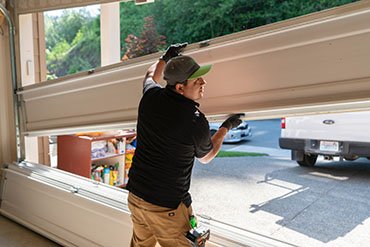
Unscrew the Tracks and Remove the Door: Detach the existing panels from the track and unscrew any supporting hardware.
Dispose of the Old Door: Ensure the old door is removed responsibly, being mindful of recycling or disposal guidelines in your area.
Installing the Tracks and Rails
With the old door removed, the next step is to set up the tracks and rails
Install the Vertical Tracks: Use a level to ensure the tracks are straight. Secure the tracks to the wall with lag screws.
Attach the Horizontal Tracks: Connect the horizontal tracks to the vertical ones, ensuring alignment.
Install the Support Brackets: Place any necessary support brackets to strengthen the installation, particularly if the garage door is heavy.
Double-check Alignment: Ensure everything is aligned perfectly before proceeding to the next step.
Installing the Garage Door Panels
The next step involves assembling and installing the panels of the garage door:
Start with the Bottom Panel: The first panel is placed at the bottom of the frame, securing it to the tracks.
Add the Remaining Panels: Continue adding panels, ensuring that they fit snugly together and attach them using the provided hardware.
Ensure Proper Alignment: Use a level and measuring tape to ensure that everything is aligned correctly and securely.
Connect the Hinges: Secure hinges between the panels as needed, enabling smooth movement as the door opens and closes.
Garage Door Opener Installation
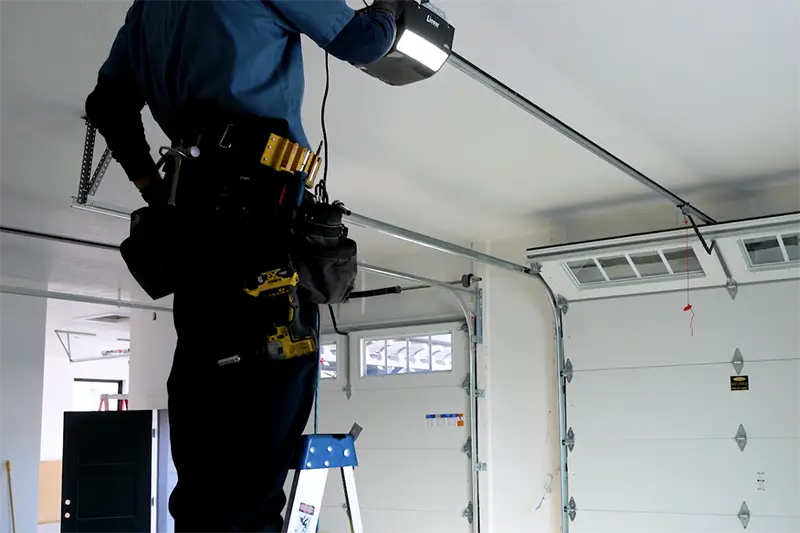
The garage door opener plays a vital role in the door’s functionality. Understanding its installation process is essential for successful operation.
Types of Garage Door Openers
Different types of openers meet varying needs.
These include:
Chain Drive: Involves a metal chain that moves the door. It is reliable but can be noisy.
Belt Drive: Uses a rubber belt for quiet operation, ideal for homes near living spaces.
Screw Drive: Employs a lifting mechanism that turns a threaded steel rod, needing less maintenance.
Direct Drive: Operates by moving the motor along a track, which is typically quieter and requires less maintenance.
Consider your needs and preferences when selecting an opener type.
Wiring and Electrical Setup
When installing an electric garage door opener, safety is paramount. Follow these electrical setup guidelines:
Locate the Power Source: Identify a suitable location for the opener close to an electrical outlet.
Plan the Wiring Route: Ensure wiring will be safe and out of reach of potential snags.
Wire the Opener to the Power Source: Following manufacturer instructions, connect all wires securely, ensuring no exposed wires are left.
Test the Opener: Once wired, conduct a test to ensure everything functions as intended before finalizing the installation.
Garage Door Maintenance After Installation
Regular maintenance is essential to prolong the lifespan of your garage door and opener. Simple checks and preventive measures can save you from future headaches.
Common Problems and Solutions
Understanding common garage door issues and their solutions can help homeowners troubleshoot effectively:
Door Won’t Open/Close: Check the sensors, power connections, and springs for any malfunction.
Strange Noises: Examine the tracks and rollers for debris or misalignment.
Opener Malfunctioning: Verify the electrical connections and battery life if using a remote control.
Regular inspections of all components can help detect problems early, saving time and repair costs.
Cost Considerations for Garage Door Installation
When planning for a garage door installation, understanding the cost implications is vital. Various factors can influence the total price.
Breaking Down the Cost of Installation
The overall cost of garage door installation can be seen in several categories:
Materials: The type and quality of the garage door significantly affect pricing.
Labor: Professional installation costs can vary, but it is an investment that pays off in quality assurance.
Additional Features: Smart technology add-ons or insulation can increase costs, but they offer long-term savings.
Removal of Old Door: Some installers factor in disposal or removal costs for the previous door.
Assess your budget and preferences to make informed decisions.
DIY vs. Professional Installation Costs
Deciding between DIY installation and hiring professionals often comes down to cost versus expertise:
DIY Installation: While you may save on labor costs, potential mistakes can lead to expensive repairs, plus the time investment needed for proper installation.
Professional Installation: The upfront costs may be higher, but the assurance of quality and safety can save money in the long run, along with avoiding potential damage.
Choose a pathway that aligns with your budget and confidence in handling such tasks.
Frequently Asked Questions
Here are some common queries related to garage door installation:
How long does installation typically take? Installation generally takes a few hours for a professional; DIY can take longer.
What if my garage door is too large for a standard door? Custom sizes can be made; discuss options with your installer.
How do I ensure my garage door is energy efficient? Look for insulated doors or add weather stripping.
What maintenance do I need to perform? Regularly lubricate moving parts and check for wear and tear on springs and cables.
Conclusion
Garage door installation is not just about attaching a door; it encompasses a multitude of considerations influencing security, functionality, and aesthetics. Understanding the parts, processes, and importance of professional help is critical for every homeowner aiming to enhance their property.
Proper planning and maintenance ensure that your garage door stays functional and secure for years to come. Utilizing trusted brands like INO Garage Doors not only guarantees quality products but also installation performed by seasoned professionals. Thus, prioritize the quality of your garage door installation for the safety, functionality, and aesthetic appeal of your home.