Why Garage Door Installation is an Essential Home Upgrade
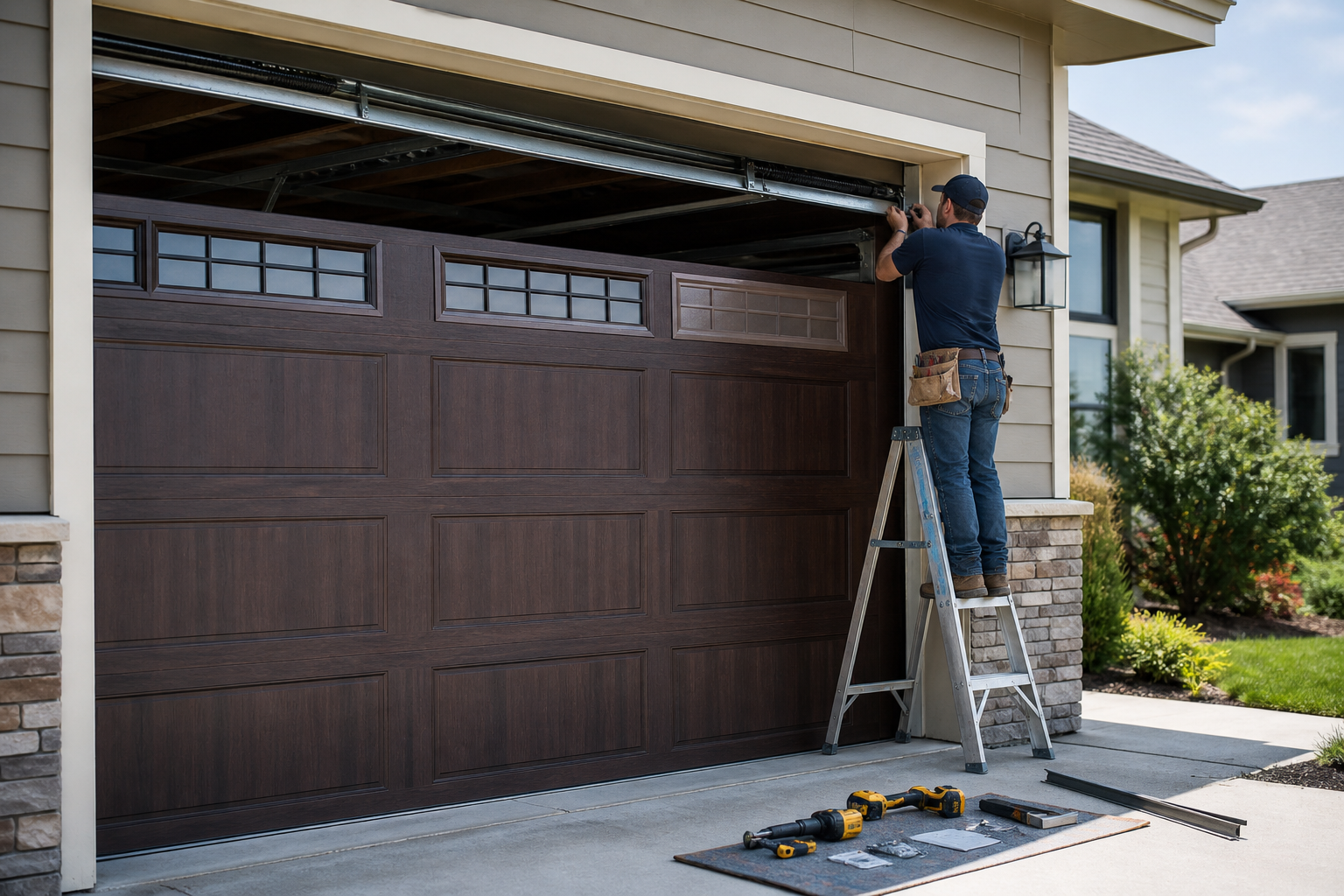
Your garage door isn’t just a functional part of your home—it’s a defining feature of your property’s aesthetic and a critical component of security. A new garage door installation not only enhances curb appeal but also boosts energy efficiency and provides the safety your family deserves.
Overview of What This Guide Will Cover
In this guide, we’ll dive deep into everything you need to know about garage door installation, from selecting the right door type and materials to step-by-step instructions for installing it. Whether you’re a DIY enthusiast or prefer hiring professionals like INO Garage Doors, this comprehensive guide will help you make informed decisions.
Understanding Garage Doors
Types of Garage Doors
Choosing the right garage door type is essential for functionality and style.
- Sectional Doors: Popular and versatile, these doors are made of panels that slide upward.
- Roll-Up Doors: Common in commercial spaces, they are compact and practical.
- Slide-to-Side Doors: Ideal for garages with limited headroom.
- Tilt-Up/Up-and-Over Canopy Doors: A budget-friendly option for smaller garages.
- Custom Garage Doors: Tailored designs for unique aesthetic or functional needs.
Materials Used in Garage Doors
The material you choose significantly impacts durability, maintenance, and appearance.
- Steel: Durable and secure, perfect for high-traffic areas.
- Aluminum: Lightweight and resistant to corrosion, ideal for coastal regions.
- Wood: Adds charm but requires more maintenance.
- Composite: Combines durability with the look of real wood.
Features to Look for in a Modern Garage Door
Modern garage doors come with features that enhance convenience and performance:
- Insulation: Keeps your garage temperature-controlled.
- Smart Technology Compatibility: Enables remote operation through mobile apps.
- Noise Reduction: Ensures quieter operation.
Preparing for Installation
Measuring Your Garage Door Space
Accurate measurements are critical for a smooth installation.
- Tools Needed: Tape measure, level, and notepad.
- How to Measure Correctly: Record the height, width, and depth of the opening and ceiling clearance.
Assessing Your Garage Structure
Ensure your garage can support the new door:
- Checking for Level Surfaces: Use a level to identify uneven floors or walls.
- Identifying Obstructions: Remove items like light fixtures that could hinder installation.
Permits and Regulations
Adhering to local building codes ensures your installation is compliant.
- Local Building Codes to Consider: Some areas require wind-resistant doors.
- HOA Restrictions: Verify approved designs and colors.
Step-by-Step Guide to Garage Door Installation
Gathering the Necessary Tools and Materials
Before starting, collect all required tools:
- Tools: Screwdrivers, drill, ladder, pliers.
- Materials: Springs, tracks, panels, hinges.
Removing the Old Garage Door
Safety is paramount when dismantling the old door.
- Safety Precautions to Take: Disconnect the power and wear gloves.
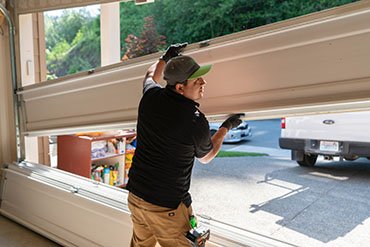
- Disassembly Process: Carefully remove the springs, tracks, and panels.
Installing the Tracks and Springs
Proper alignment ensures smooth operation.
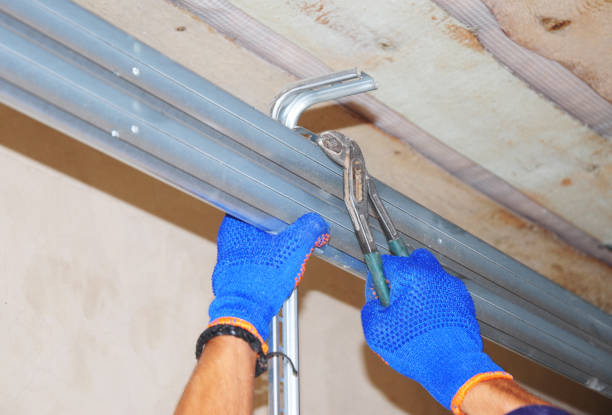
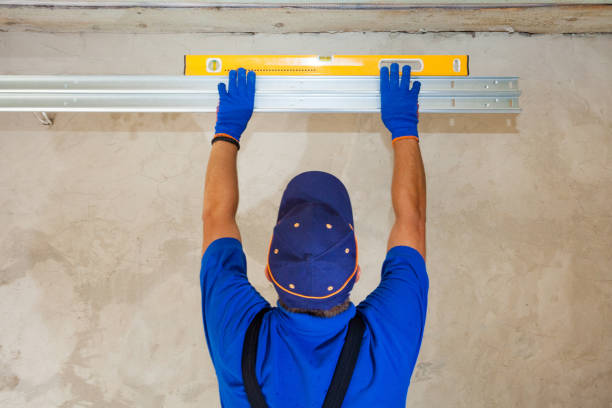
- Aligning Tracks: Secure tracks on both sides and test for level.
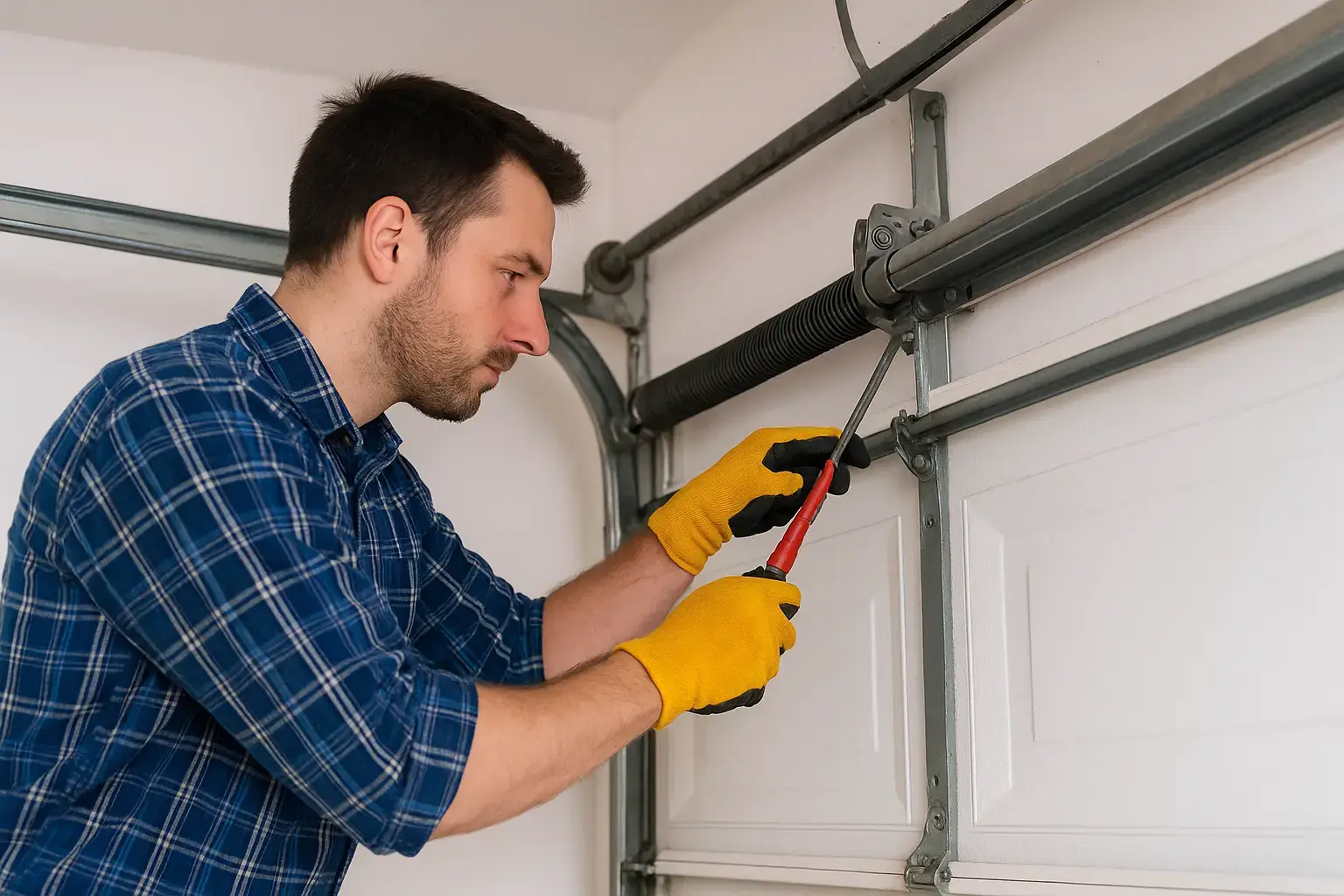
- Setting Up Torsion or Extension Springs: Follow the manufacturer’s guide for installation.
Attaching Panels and Hinges
Secure the panels step by step.
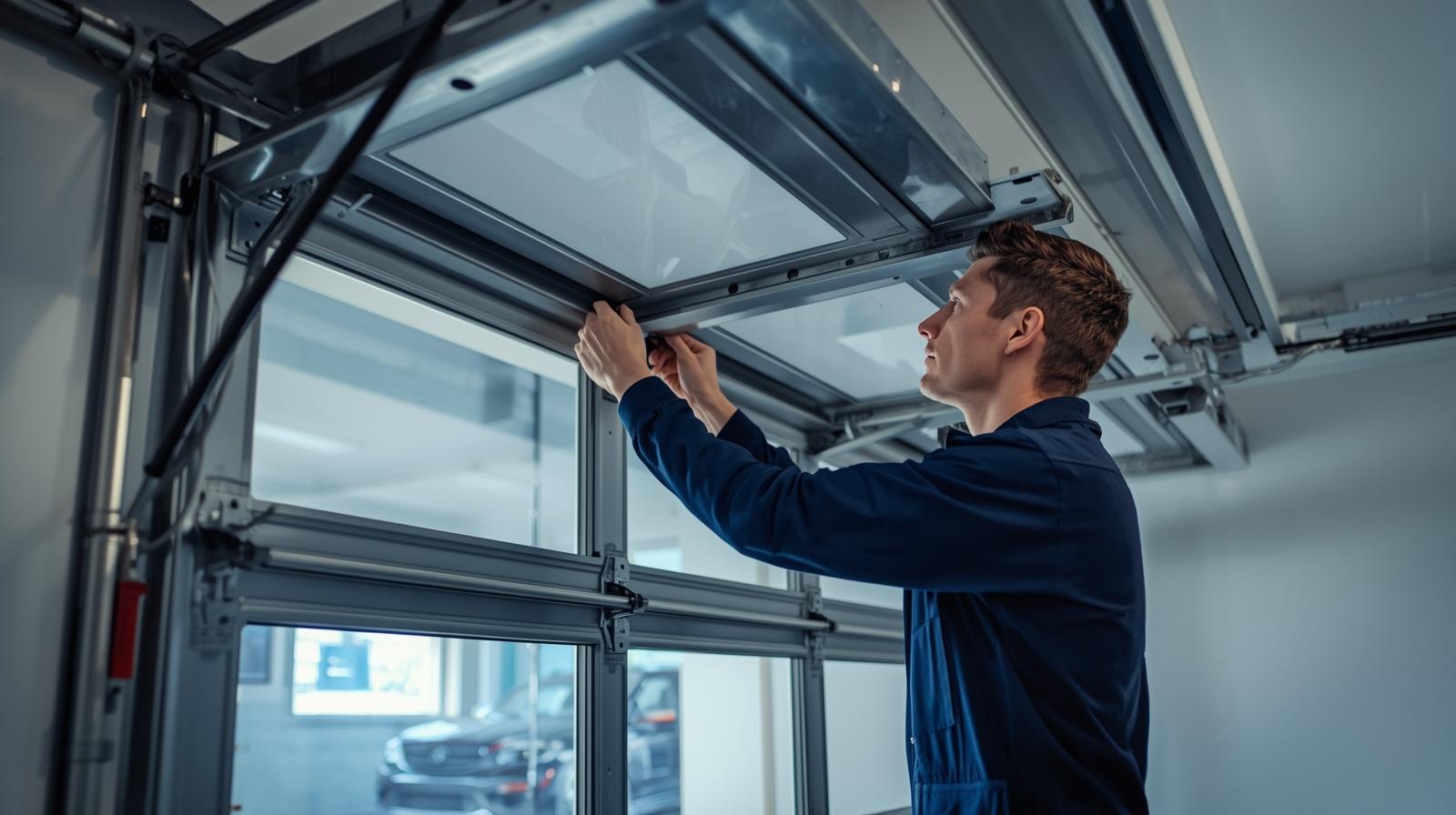
- Connecting Panels Safely: Start from the bottom panel and work upward.
- Ensuring Hinges Are Secure: Tighten screws firmly to prevent wobbling.
Adding the Garage Door Opener
A garage door opener adds convenience to your setup.
- Choosing the Right Opener: Match the opener’s capacity to the door’s weight.
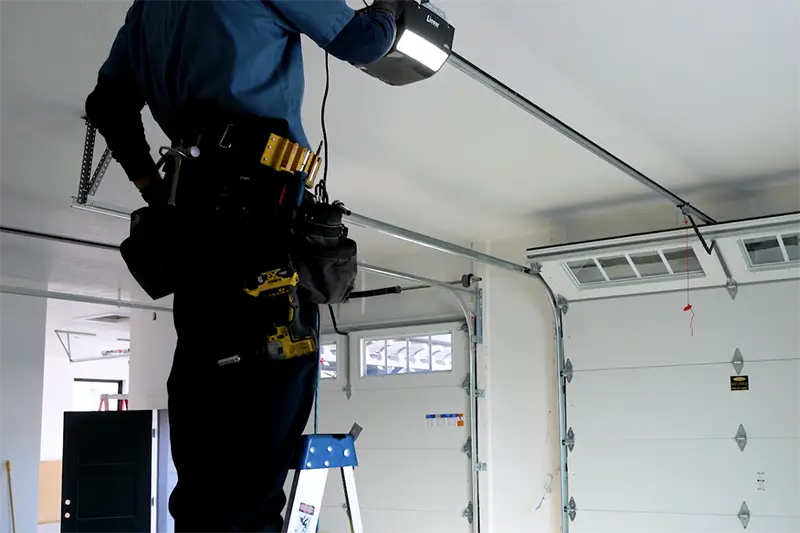
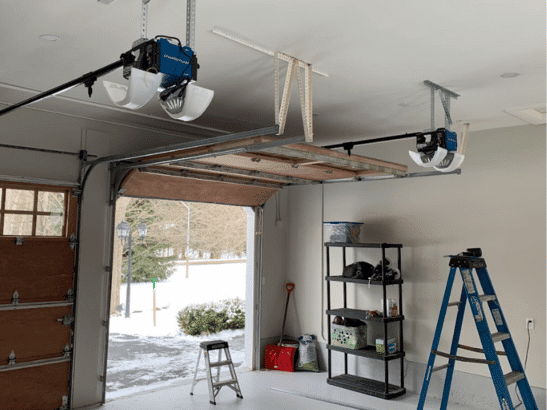
- Step-by-Step Opener Installation: Mount the motor, attach chains or belts, and connect sensors.
Final Adjustments and Testing
Test your installation for safety and performance.
- Balancing the Door: Ensure the door opens and closes effortlessly.
- Safety Reverse Test: Verify the door reverses upon encountering an obstruction.
Cost Considerations for Garage Door Installation
Average Costs for Different Types of Garage Doors
Costs vary based on size, material, and features. Expect to pay between $500 and $2,500.
Hidden Costs to Watch Out For
Additional expenses might include disposal fees, hardware upgrades, or permit charges.
DIY vs. Professional Installation
Pros and Cons of Installing It Yourself
DIY saves money but requires skill and time.
Benefits of Hiring a Professional
Professionals like INO Garage Doors ensure proper setup, saving you from future headaches.
Maintenance Tips for a Newly Installed Garage Door
Regular Lubrication
Apply lubricant to hinges and springs monthly.
Seasonal Inspections
Check for wear and tear during seasonal transitions.
Cleaning Tips
Wash with mild soap and water to maintain its appearance.
Common Garage Door Installation Mistakes and How to Avoid Them
- Skipping Measurements: Leads to improper fitting.
- Incorrect Spring Setup: Affects balance and operation.
- Ignoring Safety Features: Poses risks to your family.
Top Brands and Models for Garage Doors in 2024
Reviews of Popular Brands
Brands like Clopay and Amarr offer durable and stylish options.
Features That Stand Out
Look for brands with smart technology and noise-reducing designs.
Conclusion
Installing a garage door is a significant home improvement that enhances security, convenience, and aesthetics. Whether you DIY or hire experts like INO Garage Doors, the result is worth the investment. Take the plunge today and give your home the upgrade it deserves!
Frequently Asked Questions (FAQs)
- How long does a typical garage door installation take?
It usually takes 4-6 hours for professionals to complete the job. - Can I install a garage door without a professional’s help?
Yes, but it requires tools, skills, and safety precautions. - What is the average lifespan of a garage door?
A well-maintained door can last 15-30 years. - What safety features should I look for in a new garage door?
Look for pinch-resistant panels and safety reverse mechanisms. - How do I know if my garage door is compatible with smart home systems?
Check for Wi-Fi-enabled openers or consult the manufacturer.