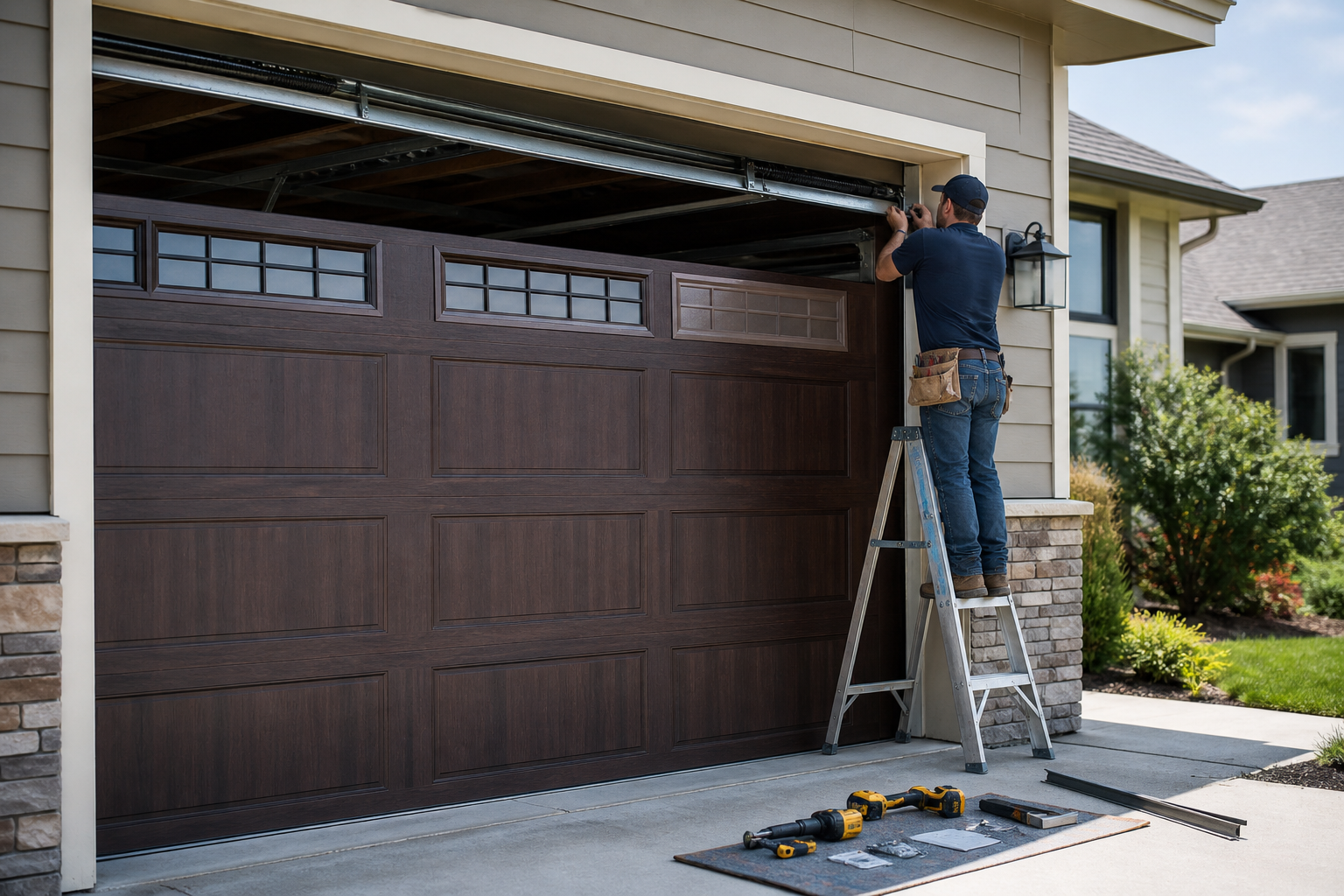
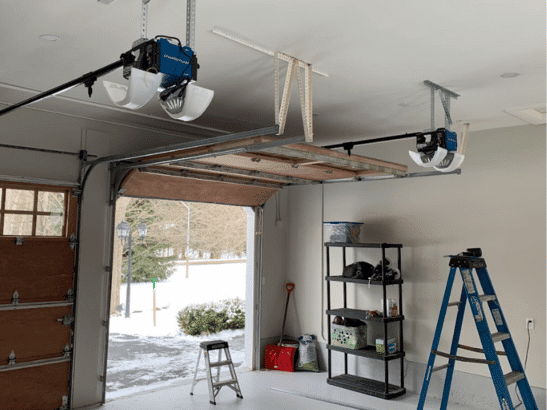
Garage door maintenance is often overlooked by homeowners, yet it plays a vital role in ensuring the longevity and efficiency of a crucial part of your home. A well-maintained garage door not only enhances the curb appeal of your property but also significantly contributes to the safety and security of your family and belongings. Neglecting maintenance can result in frustrating malfunctions or accidents that not only disrupt your daily routine but can also incur unexpected expenses.
Why Regular Maintenance Is Crucial
Regular maintenance serves multiple purposes, with the foremost being the enhancement of safety for your family. A malfunctioning garage door can pose severe hazards, particularly if it unexpectedly closes, leading to accidents or damage. Maintaining garage doors allows for the timely identification of potential problems before they escalate, safeguarding your loved ones and property.
Preventing costly repairs is another critical reason for regular maintenance. Just as routine health check-ups can help catch potential health issues early, regular inspections and maintenance of your garage door facilitate early detection of wear and tear. This proactive approach can save you significant expenses that may arise from replacing major components due to neglect.
Key Components That Require Regular Attention
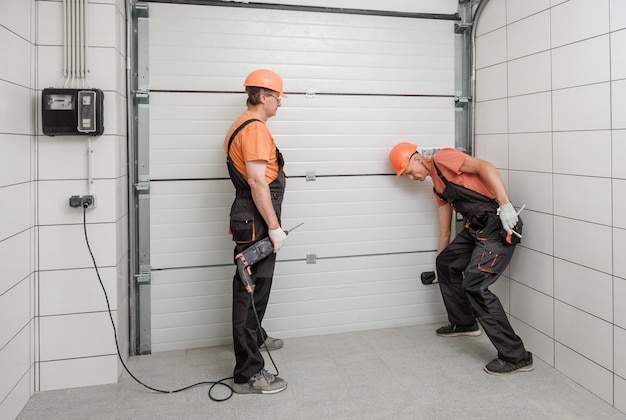
To ensure a garage door operates smoothly, key components must receive regular attention. This includes the springs, cables, rollers, and tracks. Each of these components plays an essential role in the door’s operational function, and ignoring any one of them can lead to increased wear and tear or outright failure.
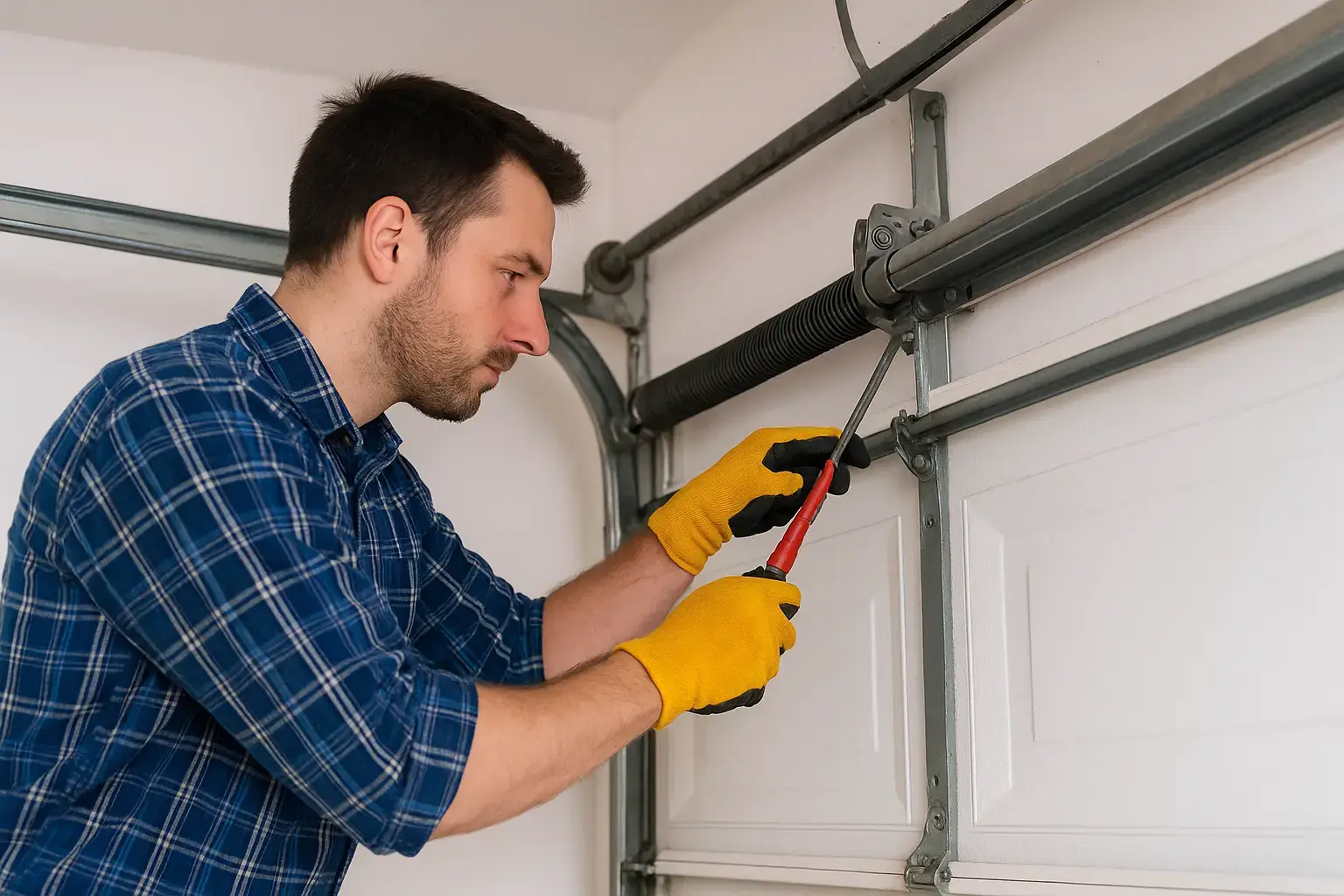
Springs are perhaps the most crucial parts of this system because they bear the weight of the door and facilitate opening and closing. Cables work in tandem with these springs, ensuring safe and controlled operation. Rollers and tracks guide the door, allowing it to move smoothly if they are misaligned or dirty, it can cause operations to become jerky or ineffective.
Tools and Supplies You’ll Need for Garage Door Maintenance
A successful garage door maintenance routine requires the right tools and supplies, which will make the tasks quicker and more efficient. While some tasks may be simple enough for any homeowner to handle, having the proper tools is essential for safety and effectiveness.
Essential Tools for the Job
When preparing for garage door maintenance, there are a few essential tools that every homeowner should have on hand. These include:
Screwdrivers: Both flathead and Phillips screwdrivers will be necessary for loosening and tightening screws.
Wrenches: Adjustable wrenches will help you manage nuts and bolts effectively.
Lubricant: A good quality lubricant, specifically designed for garage doors, is critical for keeping moving parts functioning smoothly.
Taking the time to gather and organize these tools ahead of time can make the maintenance tasks much more manageable.
Choosing the Right Cleaning and Lubricating Products
Not all lubricants or cleaning products are created equal. When it comes to garage doors, opting for silicone-based lubricants makes sense because they deliver a long-lasting solution that won’t attract dirt and debris. On the other hand, many homeowners may default to using WD-40, which can temporarily help but isn’t ideal for the longevity of your parts. For cleaning purposes, mild soap and water can effectively remove dirt without causing damage to the surfaces.
Step-by-Step Garage Door Maintenance Guide
Carrying out garage door maintenance can be a simple and satisfying task. Following a systematic approach ensures that all necessary elements are covered, leading to a well-functioning garage door.
Visual Inspection of the Door and Hardware
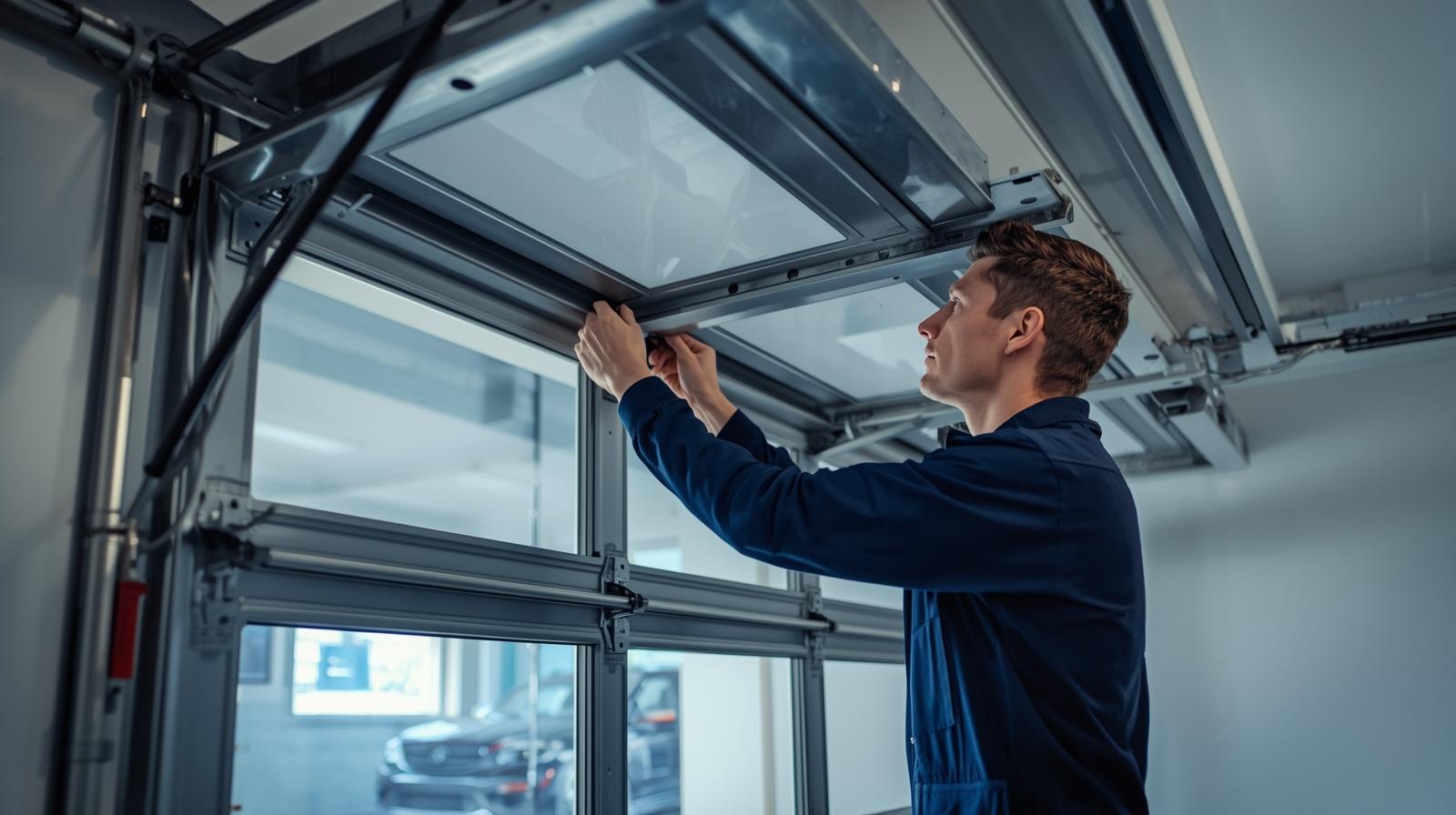
Start by performing a visual inspection of the door and its hardware. Look for signs of wear and tear, such as cracks, rusted or frayed cables, and worn-out rollers. Catching these issues early can greatly extend the service life of your garage door.
Tightening Loose Hardware
As you inspect your garage door, take the time to tighten any loose hardware, such as bolts, brackets, and hinges. Over time, the constant use can lead to parts becoming loose, which can result in misalignment or further damage if left unaddressed.
Lubricating Moving Parts
Proper lubrication is essential for a smooth-operating garage door. Apply lubricant to all moving parts, including springs, rollers, and hinges, to reduce friction and wear. Ensure that you wipe away any excess lubricant to prevent dirt accumulation.
Testing the Door’s Balance
A balanced garage door is crucial for optimal functionality. To check the balance, disconnect the door from the opener by pulling the release cord and manually lift the door halfway. If it stays in position, the balance is good. If it falls or rises, adjustments to the springs may be necessary.
Checking and Replacing Weatherstripping
Weatherstripping plays a critical role in ensuring your garage remains energy-efficient by sealing the edges of the door. Check for signs of damage or wear, and replace it as necessary. Intact weather seals help regulate temperatures and keep out pests and moisture.
Troubleshooting Common Garage Door Issues
Despite your best maintenance efforts, issues can still arise. Knowing how to troubleshoot common problems can save you time and frustration.
Noisy Garage Doors
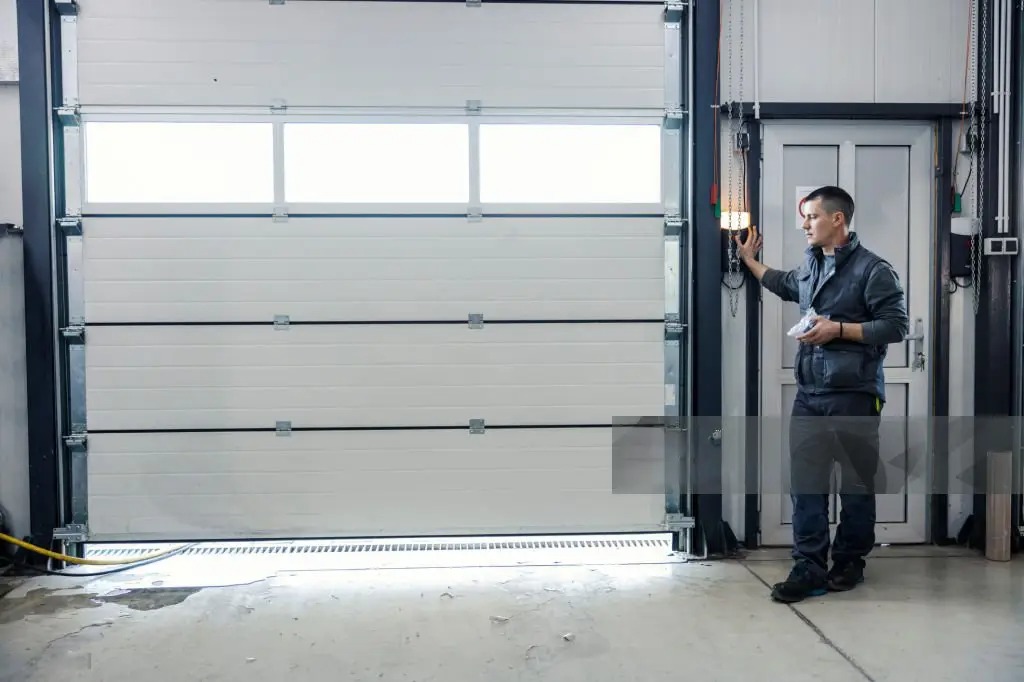
Excess noise coming from your garage door can indicate issues such as lack of lubrication, worn-out rollers, or misalignment. Applying lubricant to all moving components can help, but if noises persist, consider checking the rollers or consulting a professional.
Door Not Closing or Opening Properly
When your garage door fails to open or close as intended, misalignment or sensor issues are often the culprits. Inspect the sensors to ensure they are clean and properly aligned. If misalignment occurs, adjustments will be necessary to realign the door tracks.
Professional vs. DIY Maintenance
While many garage door maintenance tasks can be performed by homeowners, knowing when to call in a professional is crucial for safety and effectiveness.
When to Call a Professional
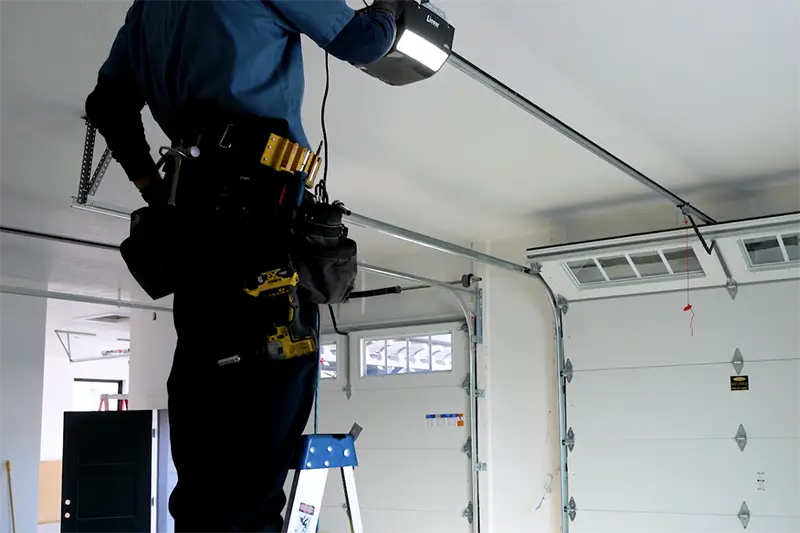
Some signs that require expert intervention include significant rusting, broken springs, or issues with the garage door opener. These situations can be complex and potentially dangerous to handle without the proper knowledge and experience.
Benefits of Routine Professional Inspections
Scheduling routine professional inspections can be advantageous. Not only do these inspections help catch minor issues before they become significant problems, but they can also lead to cost savings in the long run. An expert will provide recommendations tailored to your specific garage door system, ensuring optimal performance.
Seasonal Maintenance Tips
Seasonal changes can significantly impact the performance of your garage door, so it is vital to implement specific maintenance tips based on the season.
Preparing for Winter
As winter approaches, it is essential to ensure that your garage door is prepared for freezing temperatures. Lubricate the springs and moving parts to prevent the mechanisms from freezing and ensure that the weather seals are intact to help improve insulation.
Summer Maintenance Checklist
During the summer months, the heat can cause components to expand, potentially leading to malfunctions. Regularly inspect the garage door for wear and tear, and keep it clean to manage heat-related issues effectively.
Garage Door Maintenance Costs
Understanding the costs associated with garage door maintenance can help you budget effectively and determine whether you’ll take on the tasks yourself or seek professional assistance.
DIY Costs Breakdown
If you opt for DIY maintenance, the costs will mainly revolve around tools and materials. Expect to spend about $50 to $150 on basic tools (if you don’t have them) and lubricants, while replacement parts such as weatherstripping or rollers may add $20 to $100, depending on your specific needs.
Professional Maintenance Costs
For those who prefer professional services, maintenance costs typically range from $100 to $250. These costs may vary based on the service provider and the extent of the maintenance required, so it’s crucial to shop around and compare quotes from reliable garage door companies.
Safety Tips for Garage Door Maintenance
Safety should always be a priority when performing any maintenance work on your garage door.
Avoiding Common Hazards
Garage doors can pose significant hazards, particularly with springs and cables under considerable tension. Always disconnect the power to the garage door opener before performing maintenance, and never attempt to adjust or replace garage door springs without the proper expertise.
Best Practices for Safe DIY Repairs
When conducting DIY repairs, wear protective gear such as gloves and safety goggles to prevent injuries. It’s also advisable to work with a partner whenever possible, particularly when dealing with larger garage doors to reduce the risk of accidents.
Extending the Lifespan of Your Garage Door
With regular maintenance and care, homeowners can significantly extend the lifespan of their garage doors.
Scheduling Regular Maintenance
Implementing a routine schedule for maintenance—monthly, quarterly, and annually—can help ensure that all parts of the garage door remain in optimal condition. This proactive approach can help you spot issues early, preserving the longevity of your investment.
Upgrading Parts for Improved Performance
Modern technologies and upgrades, such as smart garage door openers or high-efficiency insulated doors, can enhance the performance and functionality of your garage door. Investing in these upgrades can yield long-term benefits in terms of energy efficiency and convenience.
Frequently Asked Questions About Garage Door Maintenance
How Often Should I Maintain My Garage Door?
Typically, homeowners should perform maintenance on their garage doors at least once every few months. However, seasonal maintenance is also essential, as environmental factors can contribute to wear and tear.
Can I Perform Maintenance Without Professional Help?
Yes, many aspects of garage door maintenance can be completed by homeowners as long as proper tools and safety precautions are observed. However, for more complex issues or heavy repairs, professional assistance may be warranted.
How Do I Know When It’s Time to Replace My Garage Door?
Signs that it may be time to replace your garage door include visible damage, such as large dents or rust, frequent repair costs, or a door that no longer offers adequate security. Consulting with a professional can also provide clarity on whether repairs can extend the life of your door or warrant a complete replacement.