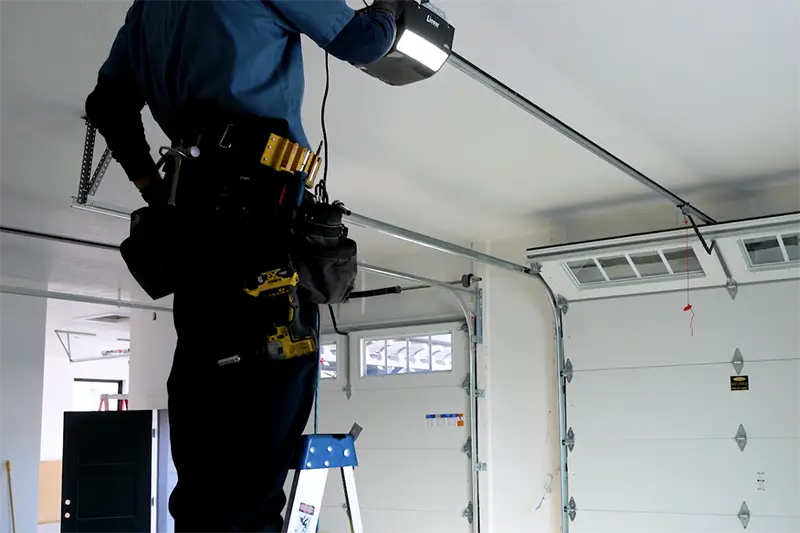
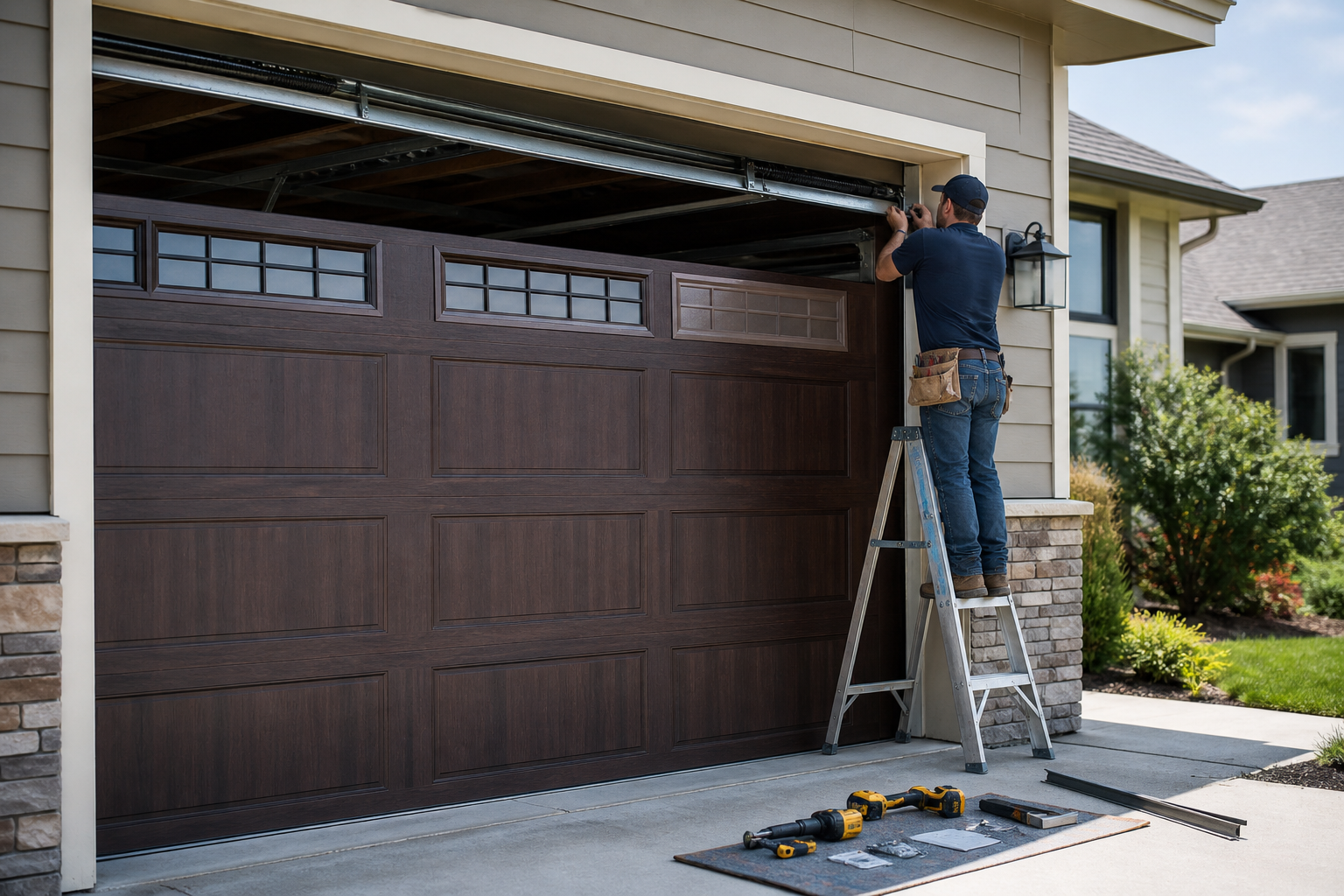
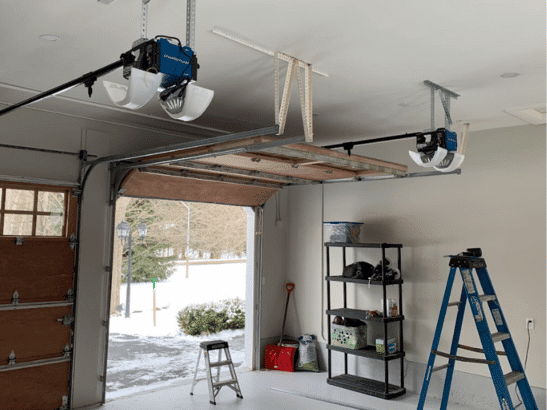
Garage doors are essential for home security and convenience, but like any mechanical system, they can experience wear and tear. Regular maintenance and timely repairs can keep your garage door functioning smoothly, ensuring it protects your property and provides easy access. This guide provides homeowners with essential tips and information to address common garage door issues, decide when to seek professional help, and understand the costs involved.
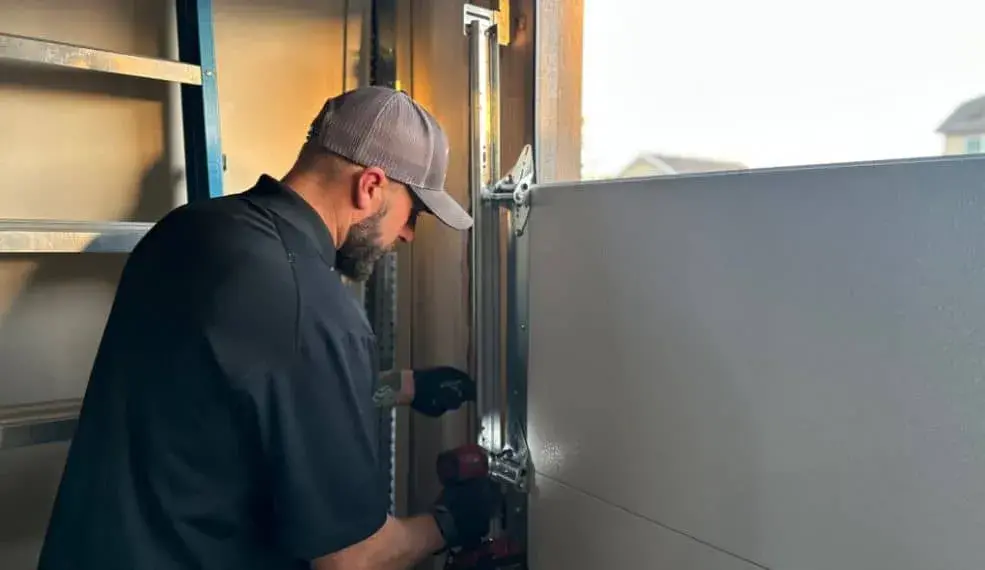
Garage Door Repair Problems You Can Fix
Many garage door issues can be resolved with some basic troubleshooting and simple repairs. Knowing how to address these common problems can save you time and money.
Noisy Garage Doors: Causes and Solutions
A noisy garage door can be more than just an annoyance; it can also indicate underlying mechanical issues. Identifying the cause of the noise is the first step toward finding a solution.
Worn-Out Rollers: Old or damaged rollers often cause grinding or squeaking noises. Replacing worn rollers with new ones can ensure smoother and quieter operation.
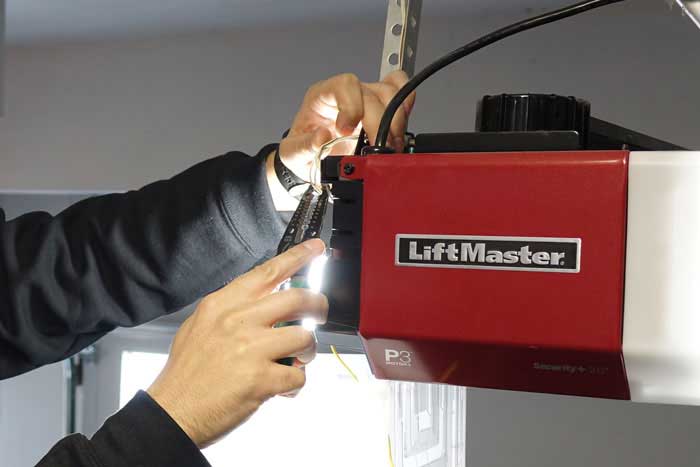
Damaged Gears or Bearings: Noisy garage doors can result from damaged gears or bearings within the opener. If the opener is stuck or makes grinding noises, a main gear drive replacement may be necessary. DIY solutions include removing the gear, lubricating all parts, and checking chain tension.
Track Misalignment: Misaligned garage door tracks can cause rubbing noises. Straightening or realigning the tracks ensures the door moves without obstruction.
Chain Issues: A dirty or worn chain can also be a noise source. Cleaning and lubricating the chain can help, but replacement may be needed if it’s excessively worn.
Metal-on-Metal Contact: Metal-on-metal contact between dried-out rollers and tracks often causes noise. Lubricating these parts can reduce friction and noise. For INO Garage Doors, using a lubricant recommended by the manufacturer can optimize performance.
Slow or Stuck Garage Doors: Troubleshooting
A garage door that operates slowly or gets stuck can be frustrating and may indicate mechanical problems. Here’s how to troubleshoot these issues:
Low Battery: A low battery in the remote can cause slower operation. Replacing the battery in the remote control can resolve this issue.
Lack of Lubrication: Insufficient lubrication can cause stiffness in rollers, tracks, and hinges. Regularly lubricating these parts reduces friction and improves movement.
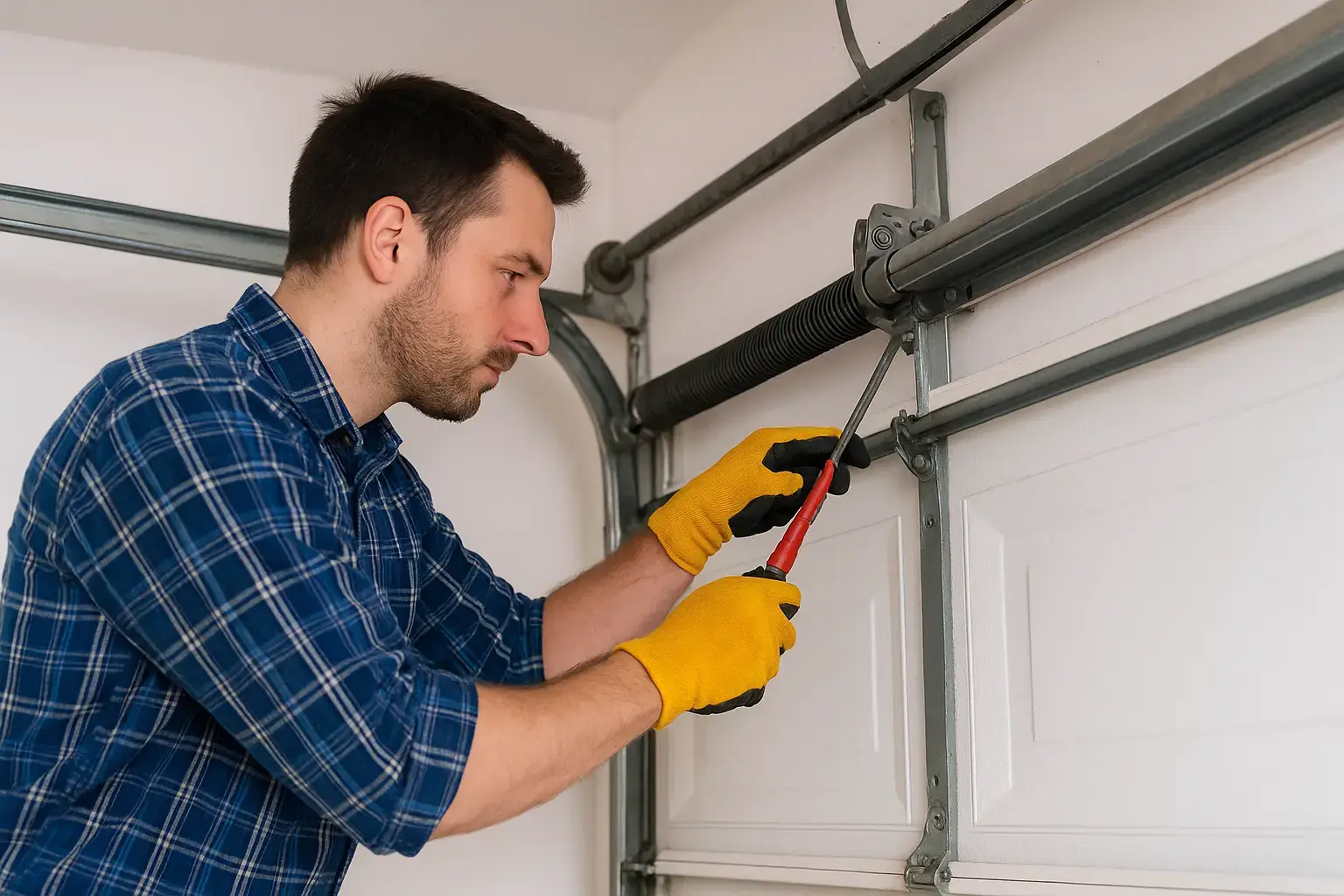
Spring Tension Issues: Incorrect spring tension can affect door operation. Adjusting the spring tension, following the manufacturer’s guide, can lead to smoother operation.
Faulty Opener Motor: An old or damaged motor may struggle to operate the door. Replacing the motor can improve efficiency.
Misaligned Tracks: Misaligned tracks are a common reason for garage doors getting stuck. Ensure the tracks are properly aligned to allow smooth door movement.
Obstructions: Obstructions in the track can prevent the door from moving freely. Clear any obstructions to ensure smooth operation.
Worn or Damaged Rollers: Worn or damaged rollers can cause the door to stick. Replacing these can restore smooth movement.
Weather Conditions: Extreme weather can sometimes cause garage doors to stick. Check for ice or snow buildup and clear as necessary.
Misaligned Tracks: How to Fix Them
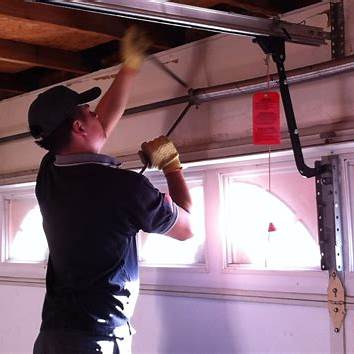
Misaligned garage door tracks can cause uneven door movement and potential damage. Here’s how to address this issue:
Inspect the Tracks: Check for bends or unevenness in the tracks. Use a level to ensure they are straight.
Loosen the Screws: Loosen the screws attaching the track to the garage wall to allow for adjustments. This provides enough play to slide the track.
Realign the Tracks: Carefully straighten or realign the tracks using a level and screws. Ensure the tracks provide a smooth path for the door.
Proper Roller Alignment: Check that all rollers are correctly positioned and evenly spaced along the track. Damaged rollers should be replaced to ensure consistent movement.
Professional Assessment: If the tracks are severely misaligned, contact a professional. Severe misalignment can worsen without expert intervention.
When to Call a Professional Garage Door Repair Service
While some garage door repairs are manageable for DIY enthusiasts, certain situations require the expertise of a professional. Knowing when to seek professional help ensures safety and prevents further damage.
Warning Signs You Need Professional Help
Several warning signs indicate that you should contact a professional garage door repair service:
Broken Springs: Replacing broken garage door springs is dangerous due to high tension. This task should only be performed by a trained professional.
Damaged Cables: Unrepaired cables can cause the door to run off track. Cable repairs involve high tension and should be handled by professionals.
Faulty Brakes: Repairing or replacing a faulty brake mechanism requires specialized knowledge and tools. Contact a garage door technician for this task.
Motor Issues: Complex motor repairs or replacements are best left to professionals. These issues require specialized tools and expertise.
Uneven Movement: If the door moves unevenly or doesn’t stay in place, a component may be misaligned. This requires professional assessment.
Unusual Noises: Grinding, rattling, or banging noises suggest a need for professional inspection. These noises can indicate significant mechanical issues.
Delayed or No Response: Delayed or no response from the opener remote indicates potential issues with the opener or sensors. A professional can diagnose and repair these problems.
The Importance of Professional Repairs
Hiring a professional for garage door repairs ensures safety, expertise, and long-term cost savings.
Safety: Garage doors can weigh up to 400 pounds, posing significant injury risks. High-tension components like springs require careful handling.
Expertise: Professionals have the knowledge and tools for accurate diagnoses and repairs. They can quickly identify and resolve complex issues.
Cost Savings: DIY repairs can lead to further damage and additional costs. Professional repairs prevent improper fixes and maintain warranty validity.
Warranty: Professional services often come with warranties, providing peace of mind. Warranties ensure that repairs are covered if issues persist.
Compliance: Professionals ensure compliance with safety standards and regulations. This guarantees that the repairs are done correctly and safely. INO Garage Doors emphasizes the importance of hiring certified technicians for complex repairs to maintain safety and warranty coverage.
Essential Tools for Garage Door Repair
Having the right tools can make garage door maintenance and minor repairs easier. Here’s a breakdown of essential tools for homeowners and specialized tools for maintenance.
Basic Tools Every Homeowner Should Have
For basic garage door maintenance, every homeowner should have these tools:
Adjustable Wrenches: Used for tightening and loosening bolts.
Screwdrivers: Essential for various tasks, including tightening screws on tracks and hinges.
Pliers: Useful for gripping, bending, and cutting wires.
Hammer: Needed for tapping tracks back into place or other adjustments.
Level: Ensures tracks are aligned properly.
Measuring Tape: Helps in measuring replacement parts and track alignment.
Flashlight: Provides visibility in dark garage areas.
Specialized Tools for Garage Door Maintenance
For more advanced maintenance and repairs, consider these specialized tools:
Winding Bars: Essential for adjusting torsion springs. Winding bars come in various lengths.
Locking Pliers and Clamps: Secure the door in place during repairs.
Cable Cutters: Used for cutting and trimming cables.
Chain Pullers & Chain Breakers: Adjust or repair garage door chains.
Eye Protection and Durable Gloves: Protect hands and eyes during repairs.
Voltage Tester: Ensures that there’s no live current during electrical repairs. INO Garage Doors recommends storing these tools in an organized manner to ensure they are readily accessible for regular maintenance checks.
How to Maintain Your Garage Door for Longevity
Regular maintenance is crucial for extending the lifespan of your garage door and preventing costly repairs.
Lubrication and Cleaning Tips
Proper lubrication and cleaning can significantly improve garage door performance.
Regular Lubrication: Lubricate moving parts like springs, rollers, and hinges regularly. This reduces friction and extends their lifespan.
Recommended Lubricants: Use silicone sprays or white lithium grease. Avoid WD40, as it is less effective. INO Garage Doors recommends lubricants specifically designed for garage doors.
Cleaning Tracks: Clean the tracks regularly to remove dirt and debris. This ensures smooth roller movement.
Cleaning Sensors: Wipe down the garage door photo sensors with a cloth rag. This maintains their functionality.
Inspecting and Replacing Springs
Garage door springs require regular inspection and timely replacement to ensure safe operation.
Visual Inspection: Inspect springs for signs of wear, such as gaps or cracks. Check for any safety cable damage.
Balance Test: Disconnect the opener and manually open the door halfway. A well-balanced door will stay in place. If it doesn’t remain fully upright, it indicates the need to replace the springs.
Professional Replacement: Spring replacement is a dangerous task due to high tension. It should only be done by a garage door professional.
Replace in Pairs: If one spring breaks, replace both since the other is likely to fail soon. INO Garage Doors advises homeowners to schedule professional inspections at least once a year to catch potential spring issues early.
Understanding the Costs of Garage Door Repair
The cost of garage door repair varies depending on the type of repair needed, materials, and labor.
Average Costs for Common Repairs
Here are some average costs for common garage door repairs:
Panel Replacement: $400 – $2,400, with an average cost of around $1,200. Custom panels may require higher replacement costs.
Opener Repair/Replacement: $200 – $500, depending on the type, brand, size, and labor.
Cable Repair: $100 – $400, including labor.
Track Alignment: $100 – $300, with annual realignment recommended.
Roller Replacement: $50 – $75 plus labor, with replacement advised every 7-10 years.
Sensor Repair/Replacement: $150 – $250.
Spring Repair: $180 – $350, including labor.
Circuit Board Replacement: Around $80, plus the cost of a surge protector to prevent future damage.
Garage Door Replacement: $550 – $2,200, depending on the door type and materials.
Factors That Affect Repair Costs
Several factors influence the overall cost of garage door repairs:
Type of Door: The style and complexity of the door affect repair costs. Simple designs are typically less expensive to fix.
Materials: The material of the garage door impacts the repair cost.
Labor Costs: Hourly rates range from $75 to $150, or a flat service fee of $50 to $75.
Location: Repair costs vary by location. The prices listed are often based on California prices.
Architectural Design: Intricate designs require more time and labor.
Insulation: Insulated doors may have higher repair costs due to their complexity.
Windows: Doors with windows can increase repair costs, especially for glass replacement.
Additional Features: The more features a door has, the higher the repair costs. INO Garage Doors provides transparent cost estimates and offers maintenance plans to help homeowners budget for garage door upkeep.
Frequently Asked Questions about Garage Door Repair
How Do I Know If My Garage Door Needs Repair?
Several signs indicate your garage door needs repair:
Unusual Noises: Squealing, grinding, or rattling noises.
Uneven Movement: The door opens or closes unevenly.
Visible Damage: Dents, rust, or broken parts.
Difficulty Opening or Closing: The door struggles to open or close.
Shaking During Operation: Excessive shaking when opening or closing.
Door Doesn’t Stay in Place: The door moves down or up on its own.
Can I Repair My Garage Door Myself?
Minor repairs, like tightening screws and lubricating parts, can be DIY tasks. However, complex repairs, such as spring replacement, should be left to professionals. DIY attempts on high-tension components can be dangerous. INO Garage Doors recommends assessing your comfort level and the complexity of the repair before attempting any DIY fixes.
How Often Should I Service My Garage Door?
Regular servicing is essential for maintaining your garage door’s condition.
Annual Servicing: Aim for at least once-a-year professional servicing.
Seasonal Checks: Ideally, service the door twice a year (spring and fall). This prepares the door for seasonal changes.
Regular Inspections: Inspect the door operation about twice a year. Check for unusual noises or jerky movements.
Lubrication: Lubricate moving parts annually. This keeps the door running smoothly. INO Garage Doors offers annual maintenance packages that include inspection, lubrication, and necessary adjustments to ensure optimal performance.
Conclusion
Ensuring Smooth Operation of Your Garage Door
Maintaining your garage door through regular inspections, timely repairs, and professional servicing ensures its longevity and smooth operation. By addressing minor issues promptly and knowing when to call a professional, you can avoid costly repairs and ensure your garage door remains a reliable part of your home.