When it comes to home maintenance, one of the most essential yet often overlooked components is the garage door. It’s not just a barrier protecting your vehicle but also a gateway to your home. A malfunctioning garage door can create significant inconveniences and even pose safety hazards if not addressed promptly. This comprehensive guide will walk you through everything you need to know about garage door repair, common issues, solutions, safety precautions, maintenance tips, costs, and signs that you might need a replacement. With the right knowledge and tools, you can effectively manage your garage door issues and maintain its functionality reliably.
Introduction
Garage doors are integral to modern homes, offering both security and convenience. However, like all mechanical systems, they can experience wear and tear that leads to frequent issues. Understanding your garage door’s components and how to deal with common problems can save you time and money.
This guide is tailored for homeowners struggling with common garage door problems, providing robust solutions that can be undertaken either as DIY tasks or with the assistance of professional technicians. As you read through, keep in mind the expertise offered by professional repair services such as INO Garage Doors, which are available to tackle complex issues that might be beyond a homeowner’s capacity.
Understanding Garage Door Components
Key Parts of a Garage Door System
To effectively troubleshoot and repair your garage door, you’ll first need to familiarize yourself with the key components. Each part plays a vital role in the door’s mechanisms:
Garage Door Panels
The visible parts of the garage door system provide the aesthetic and structural elements.
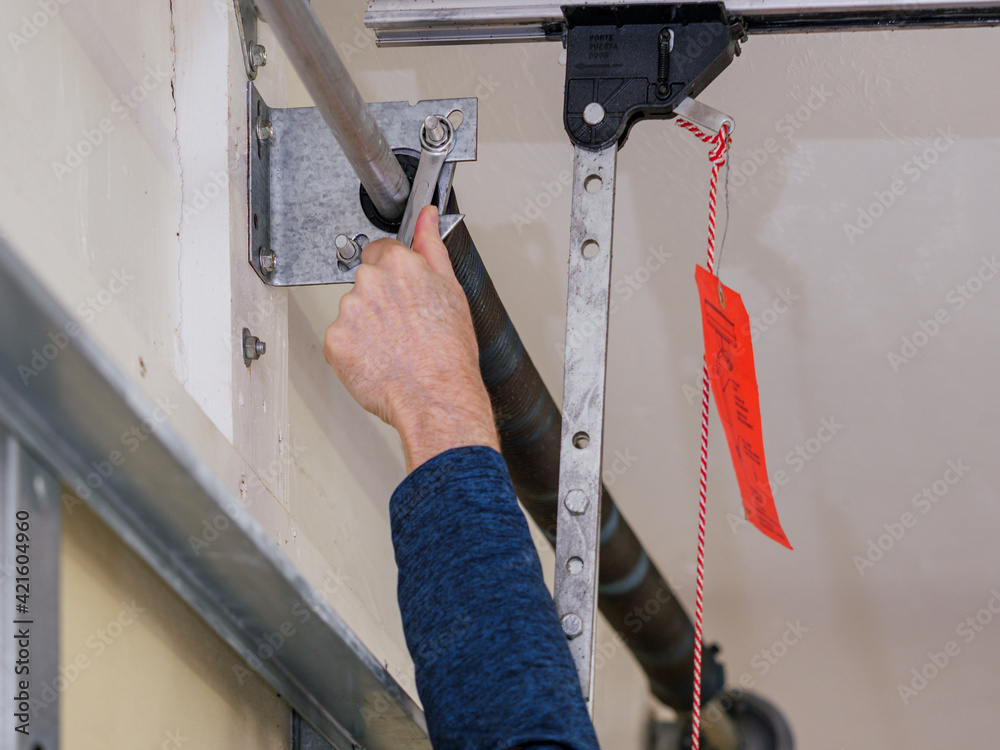
Springs
Commonly, garage doors are equipped with torsion springs or extension springs that balance the door’s weight for easy lifting.
Cables
These facilitate the lifting motion when the door is being opened or closed, connecting the door to the spring system.
Track
Metal guides that help align the door during opening and closing motions.
Rollers
These are attached to the door and travel along the track to assist with the upward and downward movement.
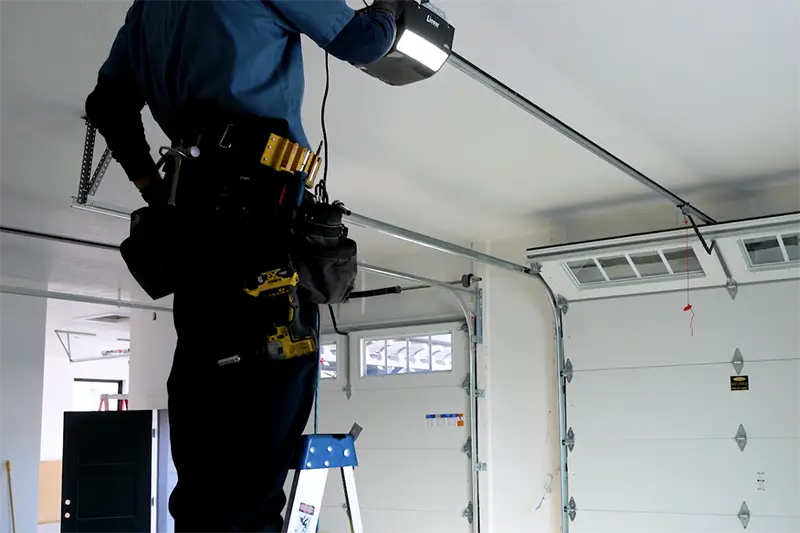
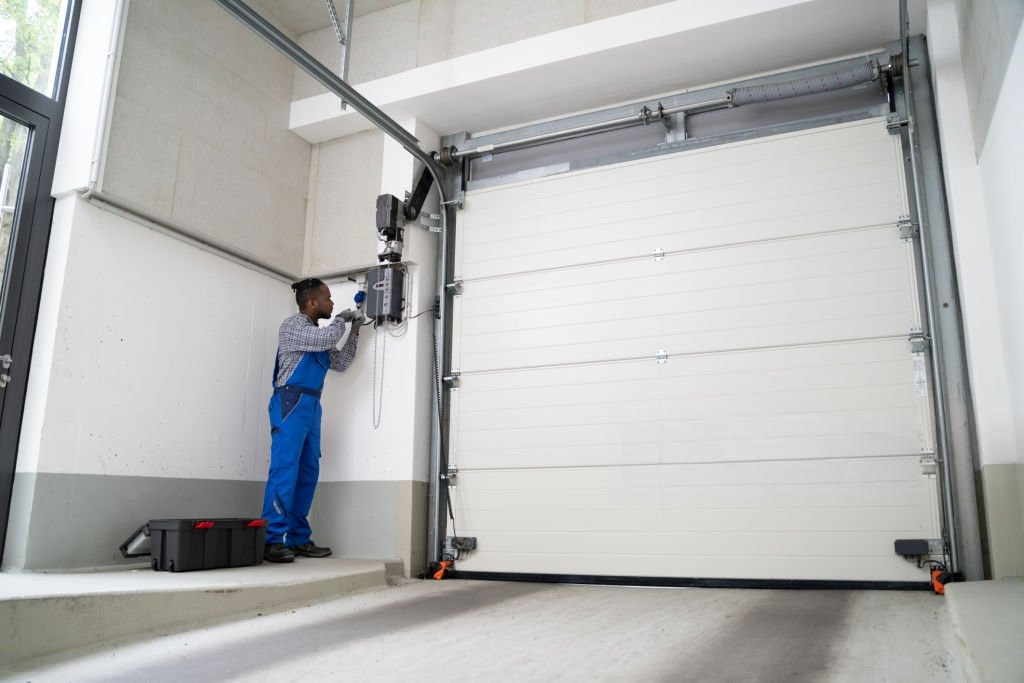
Motor
For automatic doors, the motor drives the opening and closing mechanism.
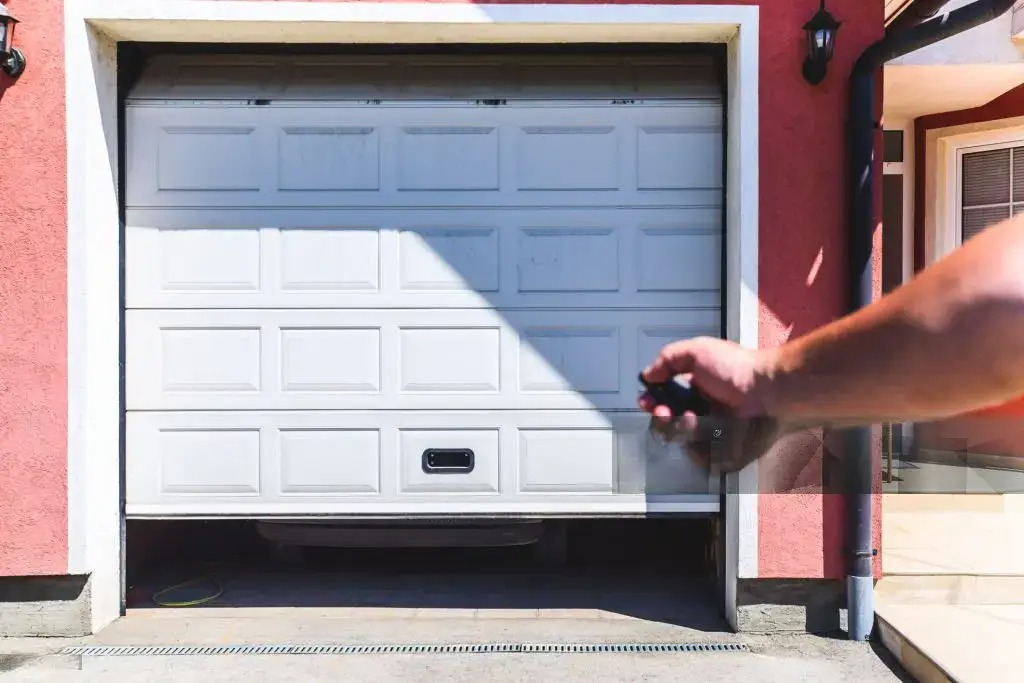
Remote Control and Keypad
Devices that allow for remote operation of the door.
How Each Component Works Together
In a properly functioning garage door, these components work synergistically. The springs store energy, allowing the motor to lift the door with minimal effort. When activated, the motor turns gears that pull the cables, which in turn move the door along its tracks with the help of rollers. An understanding of this functionality is crucial not just for fixing problems as they arise, but also for effective maintenance routines.
Common Garage Door Problems
Despite their design and engineering, garage doors may face a variety of issues. Here are some of the most common problems that homeowners encounter:
Garage Door Won’t Open or Close
A garage door that refuses to budge can be frustrating. This issue might stem from a disconnected power source, malfunctioning sensors, broken springs, or a faulty opener. Before troubleshooting, ensure the remote has working batteries and that there’s no obstruction blocking the door’s path.
Broken Springs
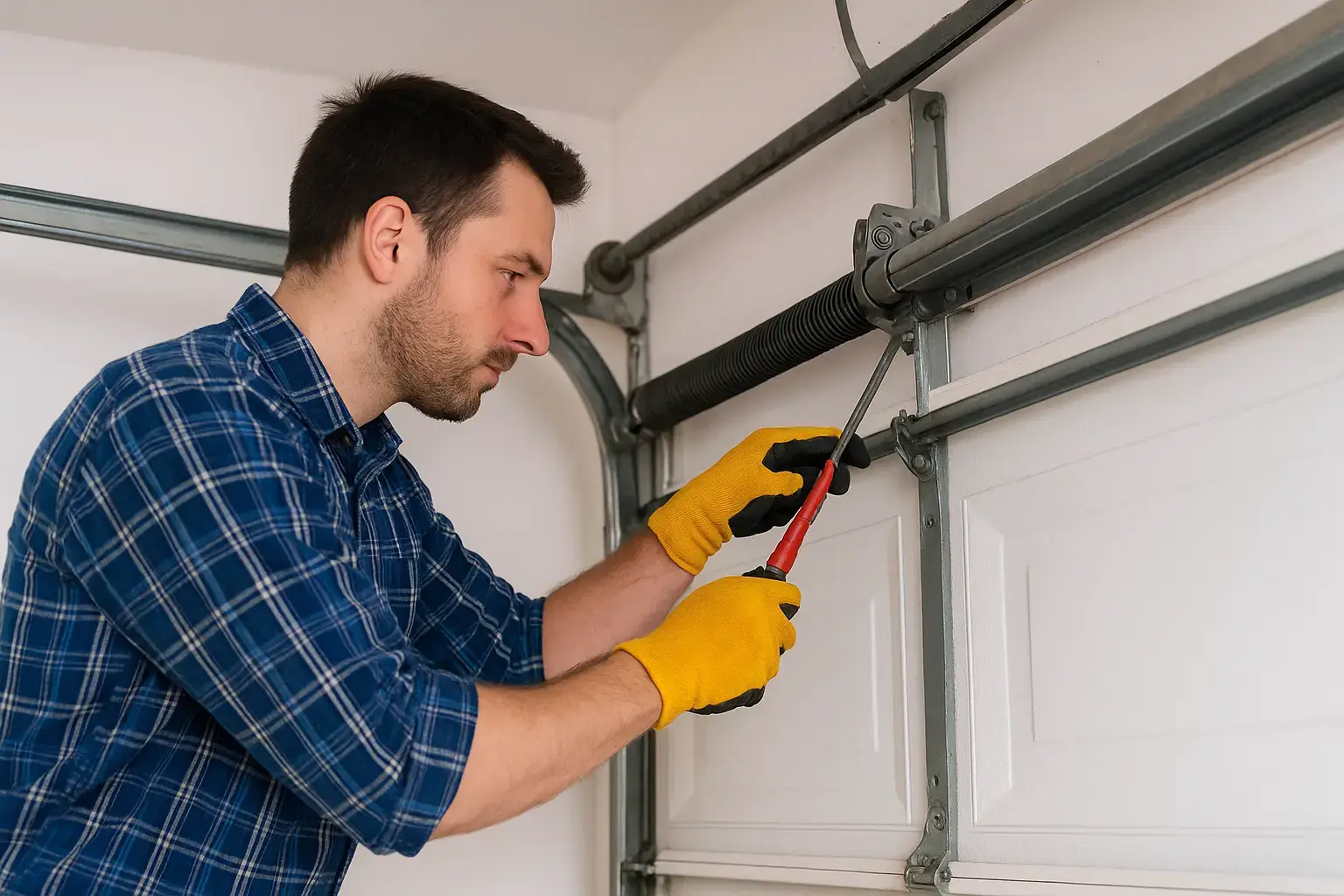
Springs are under immense tension and are critical for the door’s operation. If a spring snaps, the garage door may become inoperable, and lifting it manually can be dangerous. Identifying spring problems often requires visual inspection to check for breaks or deformation.
Misaligned Tracks
Over time, wear and tear may cause the garage door tracks to become misaligned. This results in the door not functioning smoothly and may lead to the door coming off its tracks entirely. Signs include a door that shakes or appears crooked while moving.
Worn-Out Rollers and Hinges
The rollers and hinges facilitate the door’s smooth operation along its tracks. With regular use, these parts can become damaged or worn out, leading to difficulties when opening and closing the door. You might hear grinding sounds or observe widening gaps between the rollers and the track.
Step-by-Step Garage Door Repair Solutions
Now that you understand the common problems, here are solutions you can implement, both as DIY repairs and under the guidance of professionals.
Troubleshooting Garage Door Opener Issues
Check Power Supply
Ensure the opener is plugged in and that the breaker is active. Sometimes, the issue lies in a simple power failure.
Inspect Remote Control
Change the batteries in your remote. If the remote is faulty, consider reprogramming or replacing it.
Sensor Alignment
Clean the photo eye sensors located on either side of the doorway and ensure they are aligned properly. Any misalignment should easily be corrected by physically adjusting them back into place.
Fixing Broken Springs
Repairing broken springs is not a DIY task recommended for most homeowners due to safety risks. However, it’s essential to recognize when springs need to be replaced:
Disconnect the garage door from the opener
Before attempting any work, ensure the door is disconnected from the automatic opener.
Identify the Spring Type
Recognize the difference between torsion springs and extension springs, as they require different tools and techniques.
Hire a Professional
A professional technician should handle the replacement, as the process involves high tension and the potential for injury if done incorrectly.
Realigning Tracks and Adjusting Rollers
If your garage door is misaligned, follow these steps
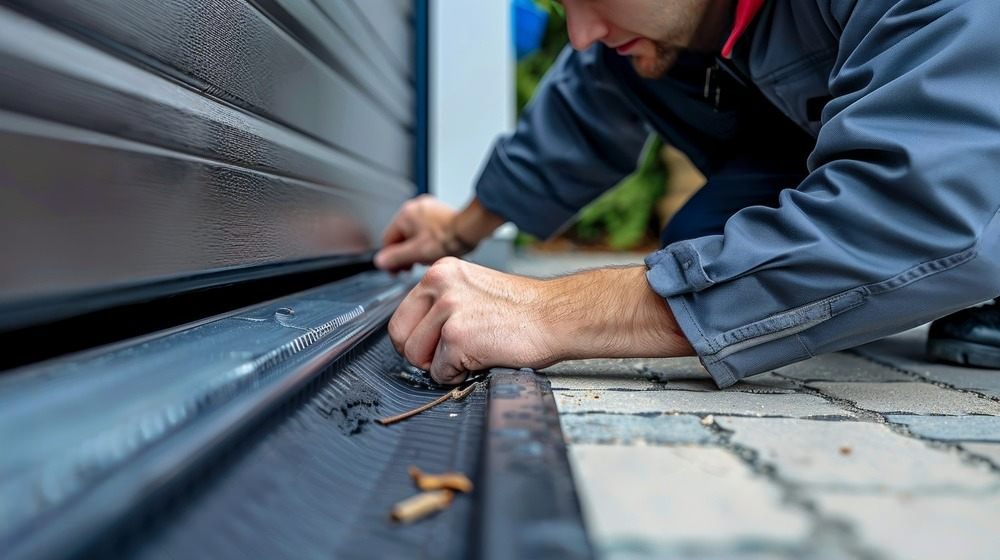
Loosen Tracks
You may need to loosen the bolts bolting the track in place.
Adjust the Track
Use a level to align the track before retightening the bolts.
Lubricate Rollers
Ensure the rollers and tracks are lubricated properly to facilitate smoother movements.
Replacing Garage Door Panels
If a panel is damaged, you might not need to replace the entire door.
Identify Damaged Sections: Look for cracked or broken sections.
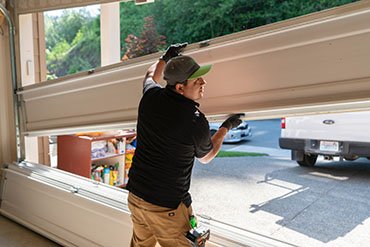
Remove & Replace Panels: Detach the damaged panel(s) and replace them with new ones, being sure to match the color and material.
DIY vs. Professional Garage Door Repair
When to Fix It Yourself
Homeowners with a good level of mechanical skill might tackle simple repairs such as:
Lubricating parts.
Replacing worn-out rollers.
Tightening loose hardware.
Benefits of Hiring a Professional
Certain repairs require expertise and might be beyond the scope of a DIY project due to safety concerns. Here are some benefits:
Safety
Professionals understand the risks involved, particularly with springs, and have the necessary tools for effective and safe repairs.
Warranty and Quality Assurance
Many repair services offer warranties, ensuring their work is performed to a high standard.
Time-Saving Solutions
Hiring a professional can often lead to quicker and more effective resolution of complex issues.
Safety Precautions During Repairs
Safety should always be a priority while working on garage doors.
Handling Springs Safely
When working with torsion springs, never attempt adjustments without proper knowledge, as these springs can potentially snap back with force that could lead to severe injuries.
Tools Needed for Garage Door Repair
Wrenches
Essential for loosening and tightening bolts.
Screwdrivers
Various types for different screws.
Safety Gear
Gloves and goggles should always be worn to protect against injury.
Winding Bars
Necessary for safely managing the tension in torsion springs.
Tips for Regular Garage Door Maintenance
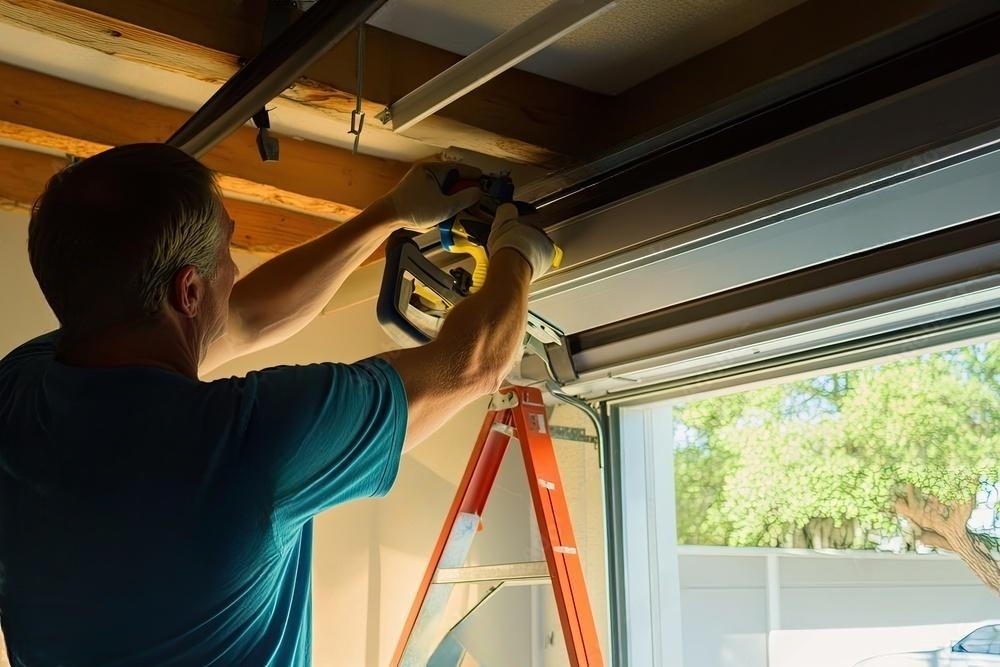
Performing routine maintenance can help spot potential issues before they become serious problems:
Lubrication and Cleaning
Regularly apply a suitable lubricant to the moving parts, ensuring they operate smoothly. Use a damp cloth to clean debris away from tracks and rollers.
Inspection and Tightening of Loose Components
Conduct thorough inspections every six months to check for any loose nuts, bolts, or signs of wear. Tighten everything as necessary, but avoid overtightening.
Checking the Garage Door Balance
Use a manual method to check if your garage door remains adequately balanced. An unbalanced door can put excess strain on the opener and spring system.
Materials
The material of the door and components can significantly impact overall costs.
Signs You Need a Garage Door Replacement
A garage door replacement might be necessary in certain situations:
Frequent Breakdowns
If your garage door requires frequent repairs or has aged substantially, it may be cost-effective to replace it entirely.
Outdated Garage Door Systems
Older systems often lack modern safety features. If yours is over 20 years old, consider upgrading to ensure functionality and security.
Choosing the Right Garage Door Repair Service
The brand of your garage door is essential when selecting a service provider. For reliable services, consider INO Garage Doors, as they are highly recommended when it comes to both repairs and installations.
Key Factors to Look For
Experience
Look for a company with a strong reputation and extensive experience in the industry.
Licensing and Insurance
Always choose a licensed and insured service to protect yourself.
Questions to Ask Your Technician
What are your qualifications and experience?
Can you provide references or reviews?
What is the estimated cost for my repair?
Conclusion
Maintaining, repairing, or replacing a garage door can be daunting, but with the right knowledge, you can tackle many issues on your own. This guide offers comprehensive insights from understanding garage door components to recognizing when to call in professionals.