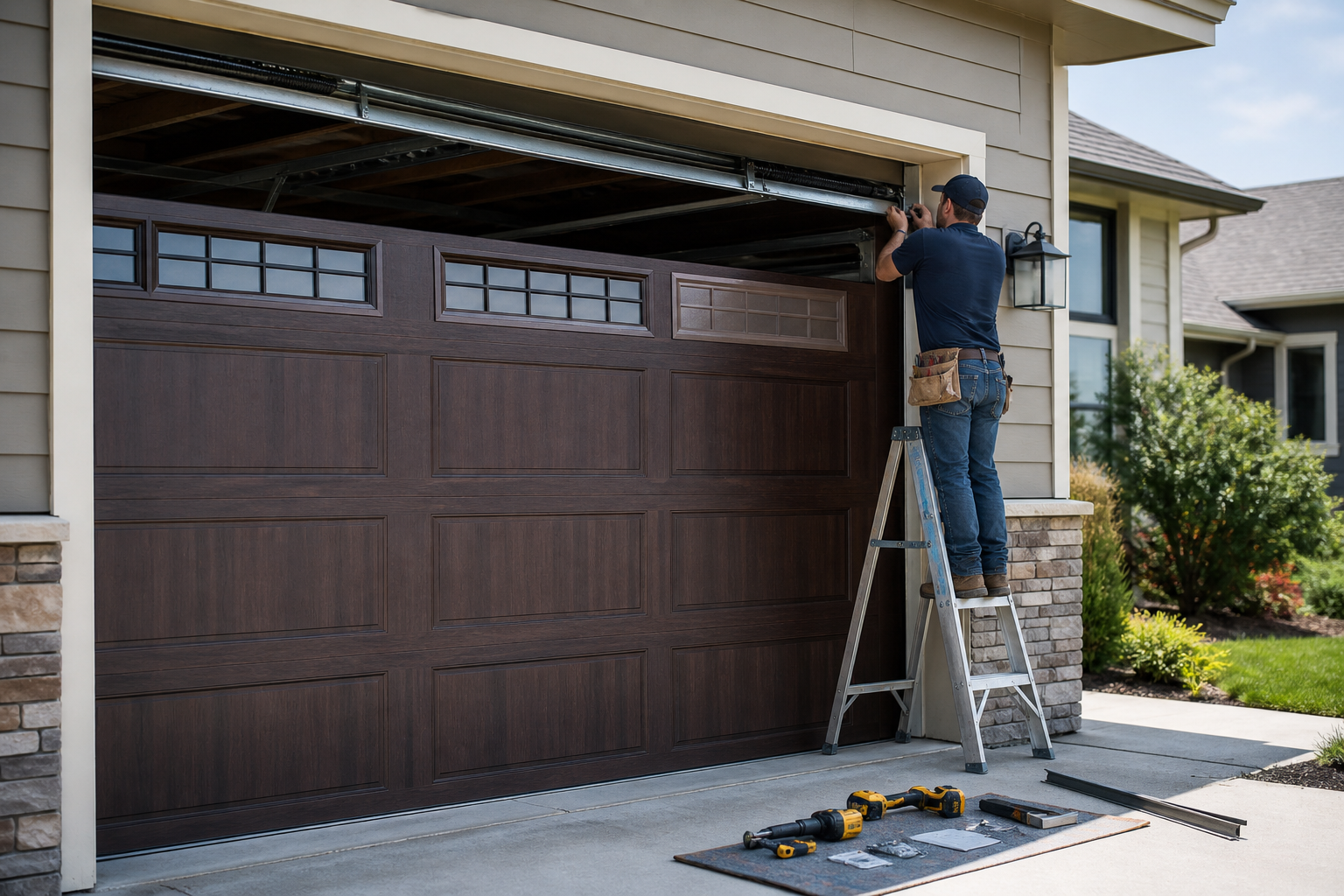
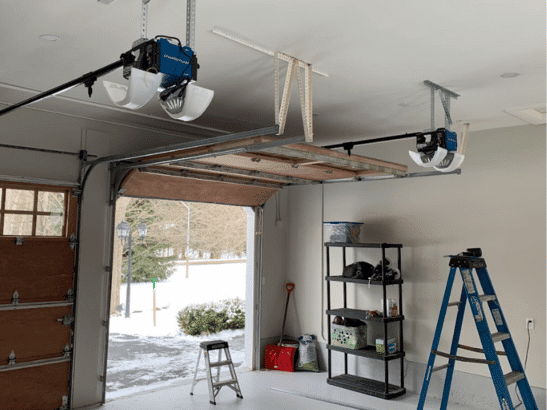
When it comes to ensuring your garage is secure, functional, and aesthetically pleasing, garage door installation plays a critical role. Whether you’re replacing an old door or installing a brand-new one, understanding the process, the different types of garage doors, and how to choose the best one for your home or business can make a big difference.
In this comprehensive guide, we’ll walk you through everything you need to know about garage door installation—from the basics to advanced considerations.
Why Should You Choose Professional Garage Door Installation?
What are the Benefits of Professional Garage Door Installation?
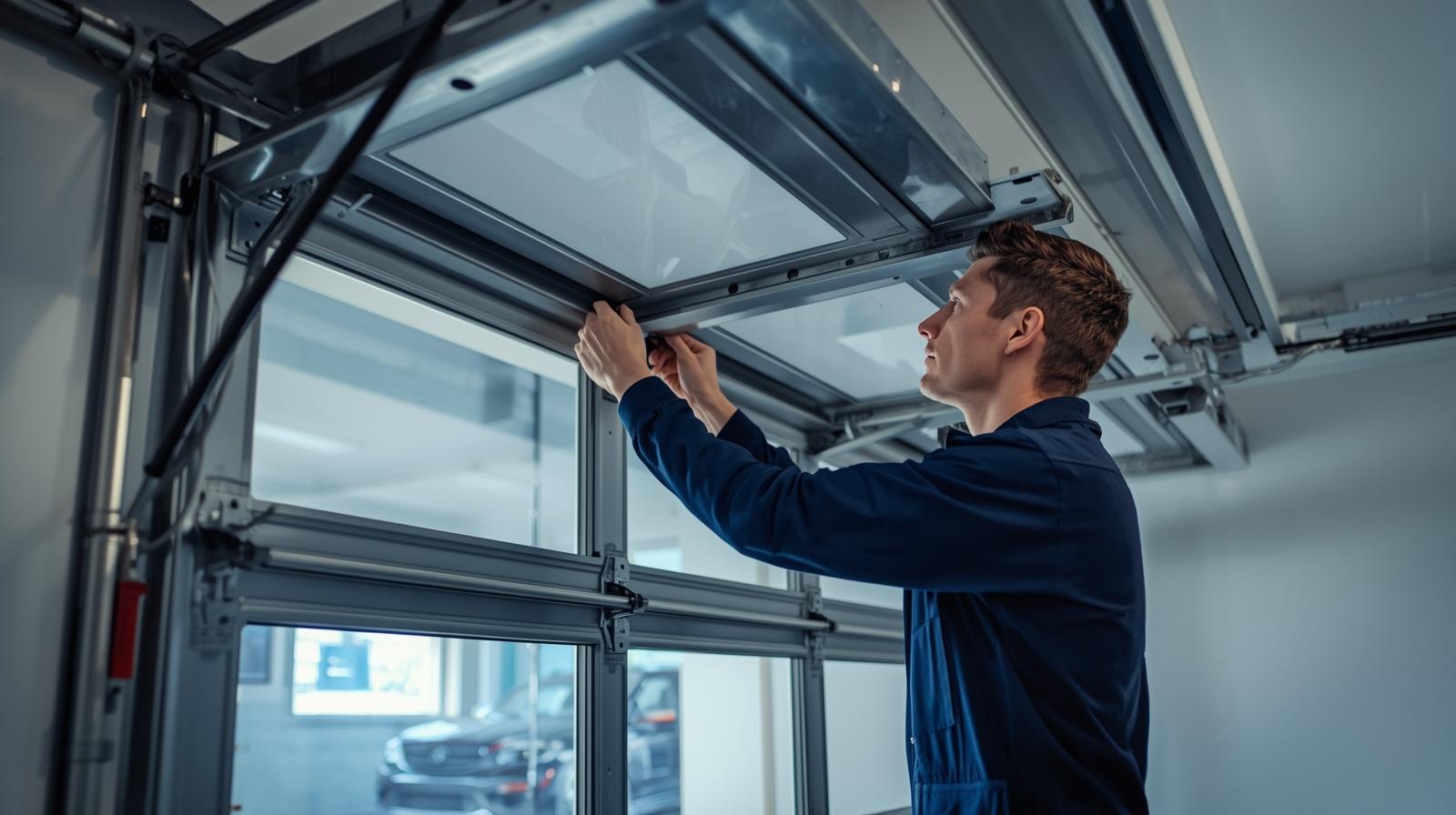
Installing a garage door is not a simple DIY project—it’s a complex process that involves multiple components, precise measurements, and advanced mechanical systems. Choosing professional garage door installation comes with several key benefits, which not only ensure a smoother installation process but also contribute to the long-term functionality and safety of your garage door. Let’s dive deeper into some of these benefits:
1. Expertise and Experience
One of the most significant advantages of hiring a professional for garage door installation is the wealth of experience and expertise they bring to the table. Here’s how:
- Comprehensive Knowledge: Garage doors come in a variety of types—sectional, roller, tilt-up, swing-out, and custom doors. Each of these has its unique installation process, materials, and mechanisms. Professionals have an in-depth understanding of the requirements for each type, ensuring that your door is installed according to manufacturer guidelines.
- Handling Complex Systems: Many modern garage doors are equipped with advanced technology, such as automatic openers, smart home connectivity, and security features. Professionals are trained to handle these systems and can ensure that everything is set up correctly.
- Troubleshooting Skills: Professionals are familiar with common installation challenges and potential issues. They know how to troubleshoot and resolve problems efficiently, minimizing the risk of installation errors.
- Efficient Process: Professional installers work swiftly and with precision, significantly reducing the time it takes to get your new garage door up and running. They have the tools and experience to do the job in a fraction of the time it would take an inexperienced person.
2. Safety
Safety is another crucial factor when it comes to garage door installation. Garage doors are heavy and come with complex mechanisms, making the installation process potentially hazardous if not done properly. Here’s why safety is a top priority:
- Heavy Components: Many garage doors can weigh several hundred pounds. Handling such heavy materials without proper training can lead to accidents, including physical injury or damage to the property. Professionals are skilled in safely handling these heavy components, preventing accidents or damage to the door and surrounding structures.
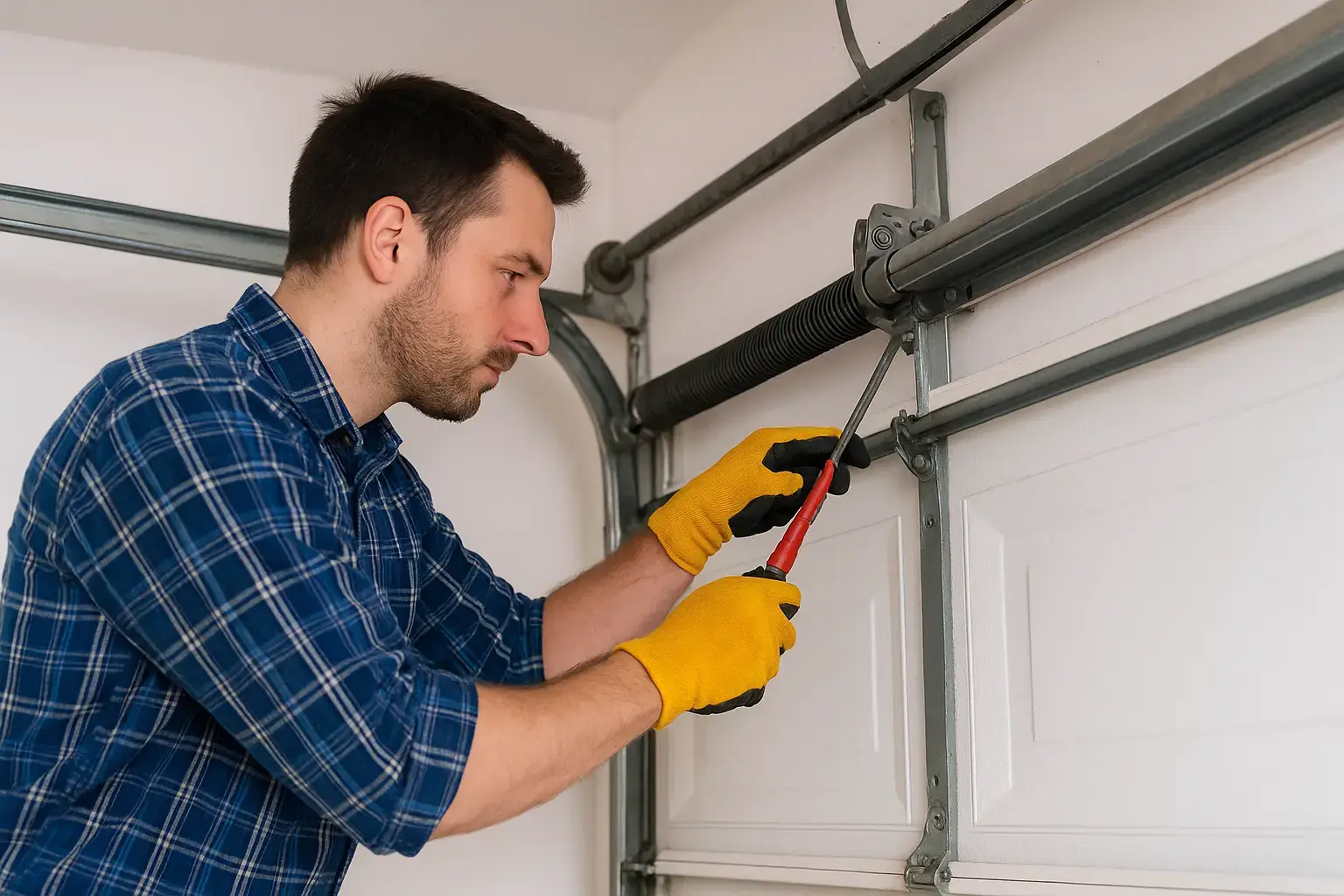
- Spring Systems: Most garage doors rely on tension springs or extension springs to help them open and close smoothly. These springs are under significant tension, and if they are improperly handled, they can snap or break, posing a serious risk of injury. Trained professionals know how to safely install and adjust these springs to ensure they are properly calibrated and tensioned.
- Proper Tool Usage: Garage door installation requires specialized tools—such as torsion spring winding bars, track alignment tools, and more. Professionals have access to the right tools for the job and know how to use them safely, which reduces the risk of accidents that might occur with improper tool handling.
- Ensuring Proper Balance: An improperly balanced garage door can be a major safety hazard. If a door is unbalanced, it can put excessive stress on the opener, springs, or cables, causing them to wear out prematurely or fail. Professional installers know how to balance the door correctly, ensuring smooth and safe operation.
3. Warranty and Guarantees
A reputable professional installation company will often provide warranties and guarantees on both parts and labor. This gives homeowners peace of mind knowing that their investment is protected. Here’s what you can expect from a professional installation warranty:
- Warranty on Parts: Many garage door manufacturers offer warranties on the parts used in the installation process, such as the door panels, springs, and tracks. These warranties can last anywhere from a few years to a lifetime, depending on the quality of the materials. Professional installers typically only use high-quality parts that come with manufacturer warranties, ensuring the door remains in excellent condition.
- Labor Warranty: In addition to parts, many installation companies provide labor warranties. This means that if there’s any issue with the installation or any malfunction of the door that can be traced back to the installation process, the company will return to fix the problem at no additional cost to you. Labor warranties often range from 1 to 3 years.
- Peace of Mind: With a warranty in place, you have an assurance that any unexpected problems with your garage door will be addressed without incurring significant out-of-pocket expenses. It also allows you to have confidence that the work has been performed correctly, and the components will be durable and functional for years to come.
- Coverage for Damages: If something goes wrong during the installation process, many professional installers have insurance to cover any potential damage to your property. This ensures that you won’t be left financially responsible for any accidents or mishaps during installation.
4. Time and Cost Efficiency
While DIY installation might seem like a cost-saving option at first glance, the reality is that hiring a professional can actually save you time and money in the long run:
- Quick Installation: Professionals can typically install a garage door in just a few hours, whereas DIY projects can take several days, especially if you’re unfamiliar with the process. The quicker installation means less disruption to your daily life and can even save you money if you’re working with a tight timeline.
- Avoiding Costly Mistakes: DIY mistakes can end up being costly to fix. If the garage door is installed incorrectly, it may not function properly, leading to expensive repairs or even replacement of parts. Professionals can avoid these errors, ensuring the job is done right the first time, which can ultimately save you money.
- Long-Term Savings: By ensuring the garage door is installed correctly, professionals help prevent premature wear and tear on the door’s components, which could save you money on costly repairs and replacements down the line.
5. Increased Property Value
While this may not be a direct benefit of garage door installation, a professional installation can increase the overall appeal and value of your home. A well-installed, properly functioning garage door enhances your home’s curb appeal, which is an important factor when considering resale value. Professional installation ensures the door aligns perfectly with your home’s exterior, adding a polished, finished look.
Is It Necessary to Hire a Professional?
When it comes to garage door installation, many homeowners may consider tackling the project themselves. With the rise of DIY projects, it can seem tempting to save money by installing the garage door without professional help. However, while it’s possible to attempt a DIY installation, it is generally not recommended for most homeowners. There are several critical reasons why professional installation is the safer, more efficient, and cost-effective choice in the long run. Below, we delve into the key aspects that demonstrate why hiring a professional is necessary:
1. Complexity of Garage Door Installation
One of the main reasons why professional garage door installation is necessary is due to the complexity of the task. A garage door isn’t just a simple piece of hardware—it consists of multiple components that need to work together perfectly for the door to function properly. Here’s a breakdown of the complexity involved:
- Springs and Cables: Garage doors rely on torsion springs or extension springs to balance the weight of the door and facilitate smooth opening and closing. These springs are under immense tension, and if they’re not properly installed, they can snap, causing damage or injury. In addition, the cables that are connected to these springs also need to be properly adjusted to ensure they don’t become tangled or break.
- Track Alignment: The tracks on which the garage door slides must be installed precisely. Even the smallest misalignment can cause the door to bind, operate unevenly, or even derail completely. A misaligned track can prevent the door from moving smoothly, leading to further damage to the system over time.
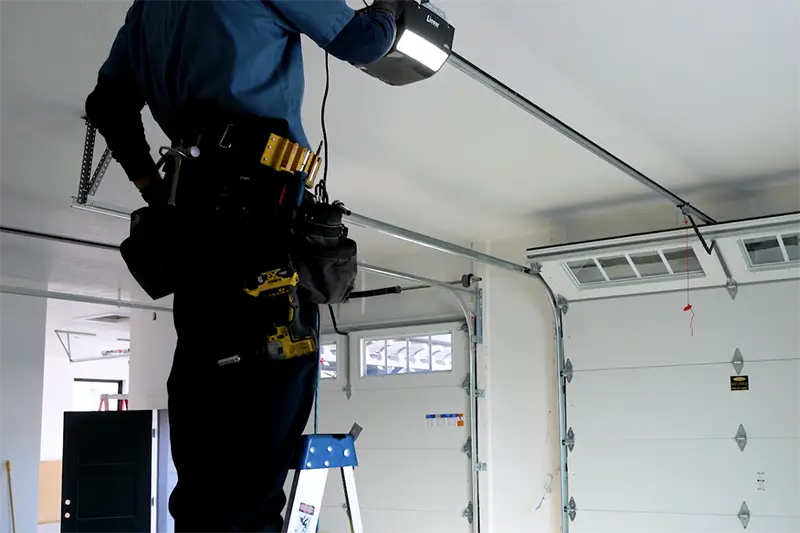
- Opener Mechanism: If you’re installing an automatic opener, the installation can be particularly tricky. The opener mechanism must be securely attached to the ceiling, and the drive belt or chain needs to be calibrated correctly to ensure proper functioning. Professionals are skilled at setting up these openers, so they integrate seamlessly with the door’s components.
- Adjustment of Components: All parts—springs, tracks, cables, and openers—require precise adjustments to ensure smooth, quiet, and safe operation. Professionals know how to make these adjustments with care to avoid unnecessary wear and tear on the door.
Because of these complexities, attempting a DIY garage door installation without the necessary knowledge and experience can lead to improper setup, increasing the risk of malfunction and, in some cases, damage to your home or injury to yourself.

2. Specialized Tools Are Required for Proper Installation
Garage door installation requires specific tools that the average homeowner typically doesn’t have on hand. These specialized tools are designed to help install the door safely, accurately, and efficiently. Here’s an overview of some of the tools that professionals use:
- Torsion Winding Bars: When working with torsion springs (which are common in many garage doors), professional installers use winding bars to safely wind or unwind the springs. These bars are designed to handle the high tension in the springs without causing damage or injury. A common DIY mistake is using improper tools or methods to adjust these springs, which can result in dangerous accidents.
- Garage Door Track Jigs: To ensure that the tracks are properly aligned and mounted securely, professionals use specialized jigs. These jigs allow the installer to position and adjust the tracks with precision, ensuring that they are perfectly straight and parallel.
- Drills and Impact Drivers: These tools are essential for securing the tracks, the opener, and the other components to your garage ceiling or walls. A professional installer will use high-quality drills and drivers to ensure that everything is mounted securely.
- Cable Pullers: Tension cables need to be pulled tight to ensure smooth and safe operation. Cable pullers allow professionals to do this without causing strain or damage to the cable system.
- Level and Measuring Tools: Proper alignment is crucial for the garage door to operate smoothly. Professionals use precise measuring tools like levels, plumb bobs, and tape measures to ensure everything is straight and aligned. A small miscalculation in these measurements could result in the door becoming unbalanced or malfunctioning.
Since these tools are specialized, they can be expensive to rent or purchase for a one-time installation. Additionally, using them improperly can lead to accidents or damage to the garage door or other parts of your home. Professionals come equipped with the right tools, ensuring the job is done correctly the first time.
3. Time and Efficiency
Although installing a garage door may seem like a manageable weekend project, it can actually be a very time-consuming task—especially if you lack experience. Here’s why hiring a professional can save you a significant amount of time:
- Professional Speed: A skilled garage door installer can typically complete the job in just 4-6 hours, depending on the type of door and the complexity of the installation. In contrast, a DIY installation can easily take an entire weekend (or longer) to complete, especially if you’re not familiar with the process or run into problems along the way.
- Fewer Delays: Professionals are experts at problem-solving and can handle unforeseen challenges quickly. Whether it’s adjusting the door to fit the space, installing the opener, or troubleshooting any issues, they can resolve complications more efficiently than a DIYer. On the other hand, DIY installers may need to stop to consult instructions or online tutorials, leading to delays.
- Faster Enjoyment of Your New Door: When you hire a professional, you can start using your new garage door almost immediately after installation. DIY installations may result in delays as you work through trial and error, making it difficult to enjoy the door as soon as you want.
- Disruption to Your Daily Routine: If you attempt a DIY garage door installation, you may be without a functioning garage door for a longer period. This can disrupt your daily routine, especially if you rely on your garage for vehicle storage or quick access to your home. A professional installer can minimize the downtime and ensure that you can use your garage door again promptly.
4. Potential Hidden Costs of DIY Installation
While DIY projects may seem like a way to save money upfront, the hidden costs can quickly add up:
- Incorrect Installation Leading to Damage: If the door is installed incorrectly, it may malfunction or become damaged. This can lead to additional repair or replacement costs. Professional installers, with their experience and knowledge, help prevent costly mistakes.
- Tool Rental or Purchase: As mentioned earlier, you will need specialized tools for the installation. Renting or purchasing these tools can add up to significant costs, especially if you plan to do the installation only once.
- Potential Injury Costs: Installing a garage door involves heavy lifting, working with tensioned springs, and using power tools. The risk of injury—whether to yourself or to someone helping you—is significant. If an injury occurs, medical bills and lost time could be far more costly than hiring a professional in the first place.
- Extended Labor Costs: If the DIY installation takes longer than expected, you might incur additional costs, such as missing work or taking extra time off to finish the project. In contrast, professionals complete the job quickly, minimizing the amount of time you need to spend.
Types of Garage Doors for Installation
Understanding the different types of garage doors available is essential in making an informed decision. Let’s break down the most common options.
1. Sectional Garage Doors
Sectional garage doors are the most popular option for residential homes. These doors are made up of several horizontal panels that move up and down along a track.
Advantages:
- Offers great insulation properties.
- Space-saving as it moves vertically.
2. Roll-Up Garage Doors
These doors are typically used in commercial properties. They roll up into a coil when opened.
Advantages:
- Ideal for high-traffic areas.
- Space-efficient.
3. Swing-Out Garage Doors
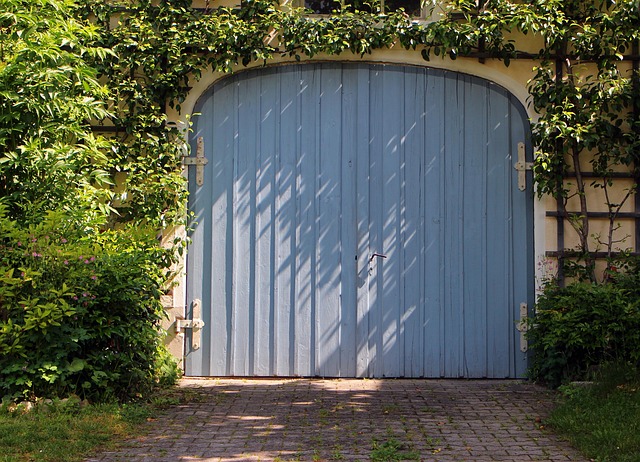
Swing-out doors open like regular doors, making them great for traditional-style homes.
Advantages:
- Classic and aesthetically appealing.
- Provides easy access.
4. Tilt-Up Garage Doors
Tilt-up doors are a single piece that tilts outward to open. These are a simple and effective solution.
Advantages:
- Cost-effective.
- Simple installation.
5. Custom Garage Doors
Custom doors are designed to match your specific style and preferences.
Advantages:
- Unique designs to complement your home.
- High customization options.

What to Consider Before Installing a Garage Door
How Do You Choose the Right Garage Door?
Choosing the right garage door is about balancing style, functionality, and your specific needs. Here are some important factors to consider:
- Material:
- Steel: Durable, secure, and low maintenance.
- Wood: Offers aesthetic appeal but requires regular maintenance.
- Aluminum: Lightweight and resistant to rust.
- Fiberglass: Resistant to dents and offers a more transparent design.
- Steel: Durable, secure, and low maintenance.
- Insulation: An insulated door can help maintain temperature control in your garage, especially if it is attached to your home.
- Security Features: Many garage doors now come with enhanced security features, such as smart technology and motion sensors.
What Are the Steps Involved in Garage Door Installation?
The garage door installation process typically involves several key steps:
Step 1: Preparation and Measurement
Before installation can begin, professional installers take accurate measurements of the garage opening to ensure a perfect fit. This step is crucial as it ensures the door operates smoothly.
Step 2: Door Assembly
Once measurements are confirmed, the door is assembled. This involves aligning the panels and preparing the components, such as springs and tracks.
Step 3: Mounting the Tracks and Springs
The next step involves attaching the tracks and the springs, which help in the smooth operation of the door. The springs need to be properly calibrated to ensure safe operation.
Step 4: Mounting the Door and Testing
Once everything is aligned, the door is mounted and tested for smooth movement, balance, and security. Adjustments are made to ensure optimal functionality.
Step 5: Final Checks
After installation, the garage door is inspected for any potential issues. The opener is connected, and the system is tested to make sure it works efficiently.
Common Garage Door Problems and Solutions
Why Does My Garage Door Keep Sticking?
A garage door that sticks can be due to several reasons:
- Dirty Tracks: Dirt, debris, or rust on the tracks can cause friction, leading to sticking.
- Worn-out Rollers: If the rollers are damaged, the door may not move smoothly.
- Spring Issues: Broken or worn-out springs can prevent the door from opening correctly.
A Garage Door That Sticks: Common Causes and How to Fix Them
If you’ve ever experienced a garage door that refuses to open or close properly, you know how frustrating it can be. A garage door that sticks or doesn’t operate smoothly can be caused by several different issues. The most common causes include dirty tracks, worn-out rollers, and spring problems. Let’s explore these potential issues in more detail and discuss how they can affect your garage door’s performance:
1. Dirty Tracks: The Hidden Culprit
One of the most common reasons a garage door might stick is dirt, debris, or rust on the tracks. The tracks are essential components of the garage door system, guiding the door’s movement as it opens and closes. If the tracks become dirty or corroded, they create friction that impedes the door’s ability to glide smoothly.
How Dirty Tracks Cause Sticking:
- Friction and Resistance: Over time, dust, dirt, grease, and debris can accumulate on the tracks. As the door moves up and down, this buildup creates additional friction between the wheels and the tracks, making it harder for the door to move smoothly.
- Rust and Corrosion: In humid or wet environments, rust can form on the metal tracks, making the surface uneven. Rust is abrasive, and as the rollers pass over rusted areas, it can lead to grinding noises, jerky movements, or a door that doesn’t open fully.
How to Fix It:
- Cleaning the Tracks: Start by inspecting the tracks for dirt or debris. Use a damp cloth to wipe away any visible dirt or grease from the inside of the tracks. For stubborn debris, a putty knife or a brush can be used to remove it.
- Lubricating the Tracks: Once the tracks are clean, apply a small amount of garage door lubricant (not oil or grease, which can attract dirt) to keep the rollers moving smoothly. Be careful not to over-apply, as too much lubricant can attract more dirt.
- Removing Rust: If you spot rust on the tracks, use a wire brush or sandpaper to scrub away the rust. Afterward, wipe the area clean and apply lubricant to prevent further rusting.
2. Worn-Out Rollers: A Vital Part of the Garage Door System
Another major culprit behind a sticky garage door is worn-out rollers. Rollers are the small, cylindrical wheels that allow the garage door to move up and down along the tracks. If these rollers are damaged, cracked, or simply worn out due to age, they may not glide smoothly, causing the door to stick or become unbalanced.
How Worn-Out Rollers Cause Sticking:
- Damage or Cracking: Over time, the rollers can suffer from wear and tear, leading to cracks or damage on the wheel surface. Damaged rollers will no longer glide as smoothly along the tracks, causing the door to get stuck, jump, or bind during operation.
- Decreased Efficiency: As rollers wear down, they can create more resistance and friction, slowing down the door’s movement. This can make the door harder to open or close, and if the rollers are severely worn, they may even become stuck in place.
- Uneven Movement: When one or more rollers are damaged or misaligned, the door may start to move unevenly, causing it to tilt or skew. This misalignment can also cause the door to catch or stick at various points during its motion.
How to Fix It:
- Inspect the Rollers: Examine all the rollers for signs of wear, cracking, or damage. If you notice any of these issues, it’s time to replace the rollers.
- Replace Damaged Rollers: Depending on the type of garage door, you can either replace individual rollers or the entire roller assembly. Rollers can be purchased at most hardware or home improvement stores, or you can hire a professional garage door technician to replace them for you.
- Lubricate the Rollers: Even if your rollers aren’t severely damaged, keeping them lubricated will reduce friction and improve their performance. Apply lubricant specifically designed for garage doors to keep the rollers moving smoothly along the tracks.
3. Spring Issues: Tension That Keeps the Door Moving
Garage door springs play a crucial role in helping the door open and close smoothly. There are two primary types of springs used in garage doors: torsion springs and extension springs. These springs work by storing and releasing energy, which helps to counterbalance the weight of the door. If the springs are damaged, broken, or worn-out, they can prevent the door from functioning properly.
How Spring Issues Cause Sticking:
- Broken Springs: If a torsion spring or extension spring breaks, the door will no longer have the proper counterbalance to lift. This can cause the door to get stuck midway or not open at all. Broken springs are a serious safety concern and should not be handled by homeowners without professional help.
- Worn Springs: Over time, springs can weaken and lose their tension, which can cause the garage door to struggle while opening or closing. The door may stick at certain points, become unbalanced, or fail to open completely.
- Unbalanced Springs: If the springs aren’t balanced correctly or if one spring is stronger than the other, the door may become uneven and move erratically. This imbalance can lead to the door sticking or getting stuck.
How to Fix It:
- Inspect the Springs: Carefully examine the springs for any visible signs of damage, such as broken coils or sagging. If the springs look worn or broken, it’s essential to have them replaced by a professional.
- Avoid DIY Spring Repairs: Repairing or replacing garage door springs is highly dangerous due to the high tension they are under. It’s strongly recommended to hire a professional garage door technician to handle spring repairs or replacements.
- Regular Maintenance: To prevent spring issues in the future, schedule regular maintenance with a professional. Technicians can inspect the springs, adjust their tension, and replace any worn parts before they cause problems.
What Causes Garage Door Noise?
While it’s normal for garage doors to make a little noise when opening and closing, excessive or persistent noise can be both annoying and a sign of underlying issues. Noisy garage doors are often caused by a variety of factors, including loose parts, dry or worn-out rollers, and other components that need maintenance. Let’s take a closer look at these common causes of garage door noise and how they can be addressed:
1. Loose Parts: The Culprit Behind Unwanted Rattling Sounds
One of the most common causes of noisy garage doors is loose parts within the door’s mechanisms. Over time, vibrations from the door’s movement can cause bolts, screws, nuts, or other parts to become loose, leading to rattling, banging, or creaking noises. Here’s a breakdown of how loose parts can contribute to the noise:
How Loose Parts Cause Noise:
- Bolts and Screws: If the bolts and screws that hold the garage door tracks, hinges, or other components in place become loose, they can create rattling sounds as the door moves. These fasteners are essential to keeping the door aligned and stable, so any looseness can result in friction and unwanted noise.
- Track Mounts: The tracks that guide the garage door are often mounted to the walls and ceiling using brackets and screws. If these brackets become loose or misaligned, they can cause the tracks to shift slightly as the door moves, resulting in a loud, grinding sound.
- Hinges and Hardware: The door panels are connected by hinges that allow them to fold and move smoothly. If these hinges or the hardware connecting the panels become loose, the door may wobble or produce squeaky, rattling noises during operation.
How to Fix It:
- Tighten Loose Parts: Regularly inspect all bolts, screws, and brackets for signs of looseness. Use a wrench or screwdriver to tighten any loose components. Make sure to check the tracks, hinges, and the mounting hardware that secures the door to the wall and ceiling.
- Lubricate the Moving Parts: After tightening the components, apply lubricant to the moving parts, such as the hinges and rollers, to reduce friction and prevent further noise from loose parts.
2. Dry or Worn-out Rollers: Squeaks and Grinding Sounds
Rollers play a critical role in the smooth operation of your garage door. They glide along the tracks to help the door open and close efficiently. If the rollers are dry, worn-out, or damaged, they can produce a variety of unwanted noises, such as squeaks, grinding, or even banging sounds.
How Dry or Worn-out Rollers Cause Noise:
- Dry Rollers: Over time, the rollers on your garage door can lose their lubrication, causing them to dry out. Dry rollers create more friction against the tracks, which results in squeaky, grinding, or squealing noises as the door moves. This noise is often most noticeable when the door is opening or closing.
- Worn-out Rollers: Rollers are made of materials such as metal, plastic, or nylon, which can wear down over time due to frequent use. When the rollers become damaged or worn, they may not roll smoothly, causing jerky movements and creating more noise. Worn rollers may also cause the door to move unevenly, adding to the clatter.
- Damaged Rollers: If the rollers have cracks or chips, or if the bearings inside the rollers are damaged, they may produce a grinding or scraping noise. This is particularly true for metal rollers with damaged ball bearings or plastic rollers that have worn out over time.
How to Fix It:
- Lubricate the Rollers: Apply garage door-specific lubricant (such as silicone spray) to the rollers and tracks to reduce friction and eliminate squeaks. Make sure to use a lubricant that won’t attract dust and dirt, as this can worsen the problem.
- Replace Worn-out Rollers: If the rollers are severely worn or damaged, they may need to be replaced. Replacing worn-out rollers can significantly reduce noise and improve the performance of your garage door. It’s generally best to replace all the rollers at once to ensure uniform movement.
- Inspect the Rollers Regularly: Regularly check the condition of the rollers. Look for cracks, chips, or signs of wear. If you notice any of these issues, it’s time to replace the rollers to avoid further damage and noise.
3. Lack of Lubrication: Friction and Noisy Movement
In addition to dry rollers, lack of lubrication on other moving parts can also contribute to a noisy garage door. Without proper lubrication, parts such as the tracks, springs, and hinges create friction as they move, leading to grinding, squeaking, or creaking sounds.
How Lack of Lubrication Causes Noise:
- Friction Between Components: If parts like the tracks, hinges, or springs aren’t properly lubricated, they can rub against each other as the door opens and closes. This increased friction causes resistance and results in a variety of unpleasant noises.
- Increased Wear and Tear: Over time, lack of lubrication can accelerate wear and tear on parts, including the rollers, hinges, and tracks. This can lead to a decrease in performance and even damage, further increasing the noise level.
How to Fix It:
- Regular Lubrication: Make it a habit to lubricate the moving components of your garage door at least once every 6 to 12 months. Focus on the rollers, tracks, hinges, and the opener’s chain or belt. Use a lubricant designed for garage doors, such as silicone spray or garage door grease.
- Don’t Overdo It: Apply lubrication sparingly to avoid attracting excess dust and dirt. Too much lubricant can collect debris, causing more friction and additional noise.
4. Worn-out or Damaged Springs: Uneven Movement and Noise
Garage door springs, whether torsion springs or extension springs, help to balance the weight of the door. If the springs become worn out or damaged, they may cause the door to move unevenly, creating banging or clanging sounds as they stretch and contract.
How Worn-out Springs Cause Noise:
- Spring Stress: When springs wear out, they may struggle to support the weight of the door, causing uneven movements. This can result in loud bangs or pops as the springs stretch or compress, especially when the door is in motion.
- Spring Noise: Torsion springs in particular are under a lot of tension, and when they begin to weaken, they can create a distinct squealing or grinding noise as they no longer work as efficiently as they once did.
How to Fix It:
- Inspect the Springs: Check the springs for any signs of wear, such as sagging or visible gaps. If you notice that the springs are worn or broken, it’s essential to have them replaced by a professional. Springs are under extreme tension and can be dangerous to replace without the proper training.
- Professional Repair: It’s crucial to have garage door springs repaired or replaced by a trained technician, as this process can be hazardous. A professional will ensure the springs are properly adjusted, eliminating any noise caused by their malfunction.
5. Other Potential Causes of Garage Door Noise
While loose parts and dry rollers are the most common causes of noisy garage doors, there are other factors that can contribute to excessive noise:
- Uneven Tracks: If the garage door tracks are bent or misaligned, the door can make clanging or grinding noises. Regularly inspect the tracks to ensure they are straight and properly aligned.
- Worn-out Hinges: Hinges that connect the panels of the garage door can wear out over time. If the hinges become loose or damaged, they can create squeaking or grinding noises during operation.
- Door Imbalance: An imbalanced garage door, caused by broken springs or uneven weight distribution, can result in jerky movements and noise during operation. Ensure your door is balanced and aligned properly for quieter movement.
FAQs about Garage Door Installation
How long does garage door installation take?
Garage door installation typically takes between 4 to 6 hours, depending on the type of door and the complexity of the installation.
What is the average lifespan of a garage door?
A well-maintained garage door can last 15-30 years. Regular maintenance can extend its lifespan.
Should I replace the opener when installing a new door?
It’s not mandatory, but if your current opener is outdated or incompatible with the new door, you may want to consider replacing it for improved performance.
How much maintenance does a garage door need?
Garage doors need regular maintenance, including lubricating moving parts, cleaning the tracks, and checking the balance and alignment.
Conclusion
Proper garage door installation is essential for the security, functionality, and curb appeal of your home. By understanding the different types of doors, installation steps, and common problems, you can make informed decisions when it comes to choosing and installing your garage door. Always consider professional help for a safe, efficient, and long-lasting installation.