Introduction
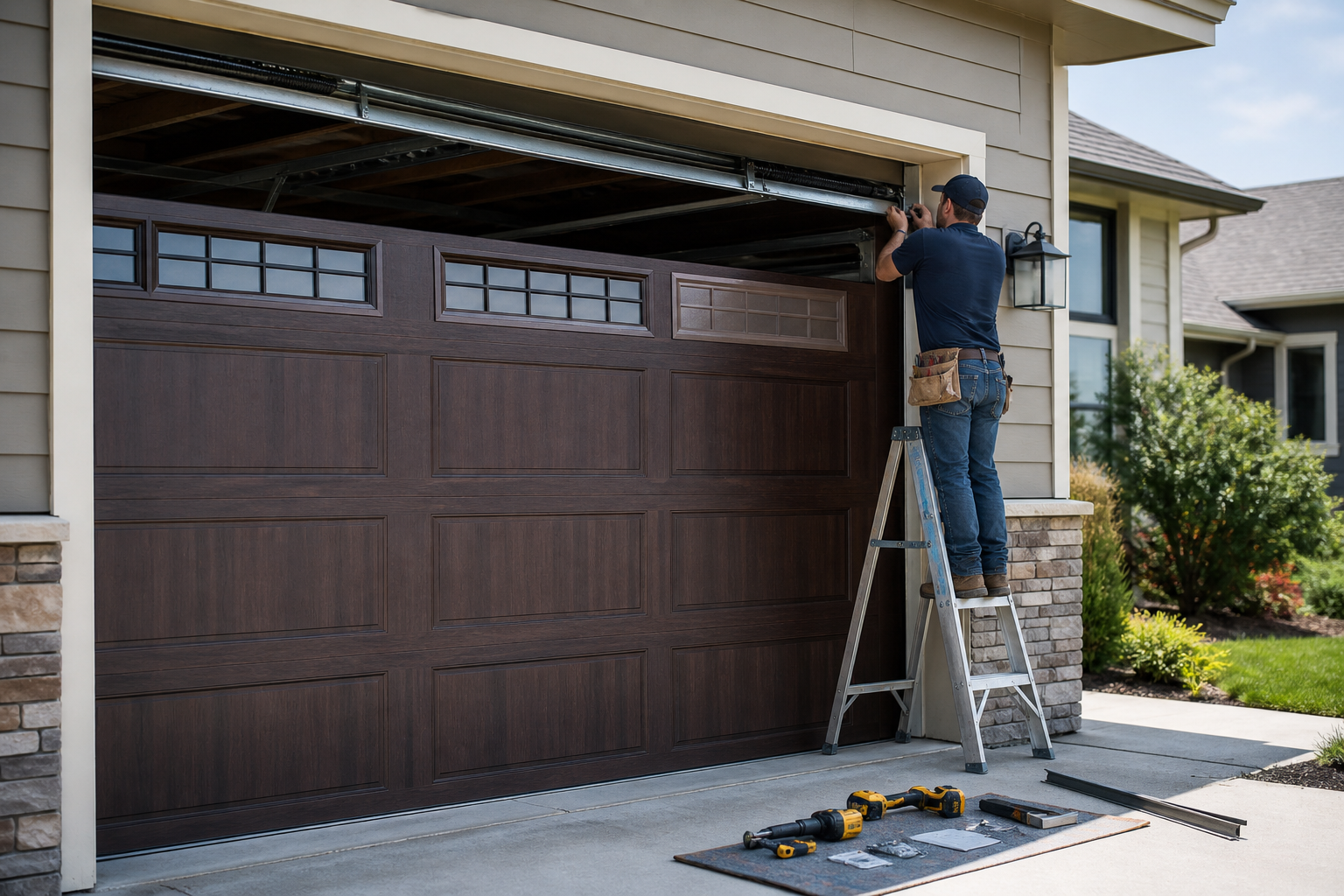
Thinking about upgrading your garage? One of the smartest moves you can make is investing in a proper garage door installation. This isn’t just a “nice-to-have” project—it’s essential for your home’s security, curb appeal, and even your energy bill. In this article, we’ll break down everything you need to know in simple, human language. No confusing jargon. Just straight talk about what really matters.
What Is Garage Door Installation and Why Is It Important?
Functionality and Security Benefits
Your garage door is more than a way to park your car—it’s one of the main access points to your home. A well-installed door keeps out intruders and protects your belongings.
Boosting Your Home’s Curb Appeal
Ever heard the phrase, “First impressions matter”? That applies to your house too. A modern, well-installed garage door can make your home look newer and more valuable.
Enhancing Property Value
When it’s time to sell, a fresh garage door can make a huge difference in your home’s resale price. It shows buyers you care about upkeep and aesthetics.
Signs You Need a New Garage Door
Noisy Operation and Vibration
Squeaky, grinding sounds every time you open or close your door? That’s a major red flag.
Rising Energy Bills
An old, poorly insulated door lets air escape, forcing your HVAC system to work harder.
Frequent Repairs and Maintenance
If you’re constantly calling the repair guy, it’s time to consider a replacement.
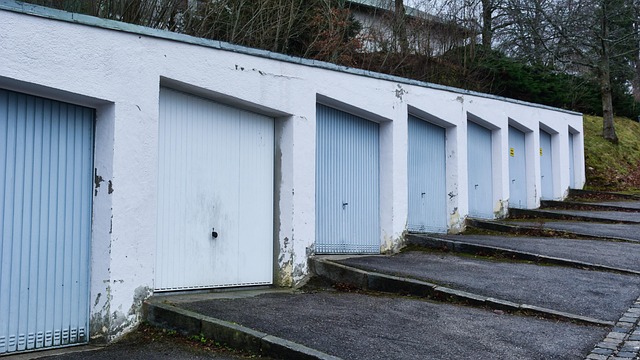
Types of Garage Doors You Can Choose From
| Type | Description | Ideal For |
| Sectional | Hinged panels, popular design | Most homes |
| Roll-Up | Compact, vertical operation | Commercial garages |
| Slide-to-Side | Runs along the wall | Low ceiling garages |
| Tilt-Up | Single panel, tilts out | Vintage homes |
| Custom | Wood or glass | Designer-focused homes |
Sectional Garage Doors
These are the most common. They open vertically and fit well in standard residential setups.
Roll-Up Garage Doors
You’ll often see these in warehouses, but some modern homes love their space-saving benefits.
Slide to the Side Garage Doors
Perfect if your garage ceiling is too low for tracks and springs.
Tilt-Up Canopy and Retractable Doors
These one-piece doors are old-school but charming—like the vintage jeans of garage doors.
Custom Wood and Modern Glass Options
Want to flex your home’s personality? Go with a custom option.
What Materials Are Best for Garage Door Installation?
Steel
Durable and low maintenance, but can dent easily.
Wood
Absolutely gorgeous but needs regular upkeep.
Aluminum
Rust-resistant and lightweight, though not as strong.
Fiberglass
Resists salt air—great for coastal homes.
Vinyl
Tough to break, but offers limited style choices.

Key Components in a Garage Door System
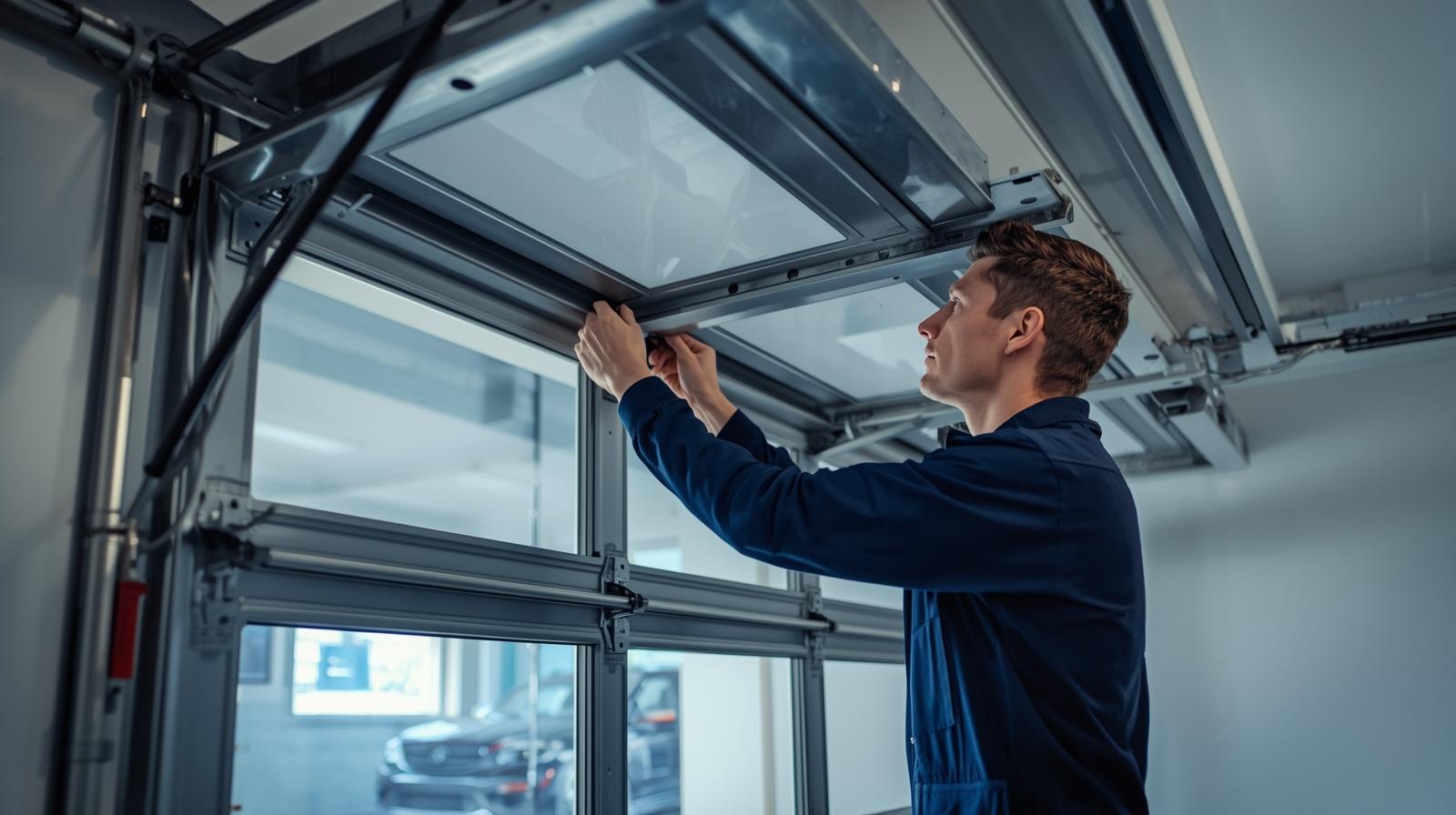
Door Panels and Tracks
These are your door’s backbone. If they’re off, everything’s off.
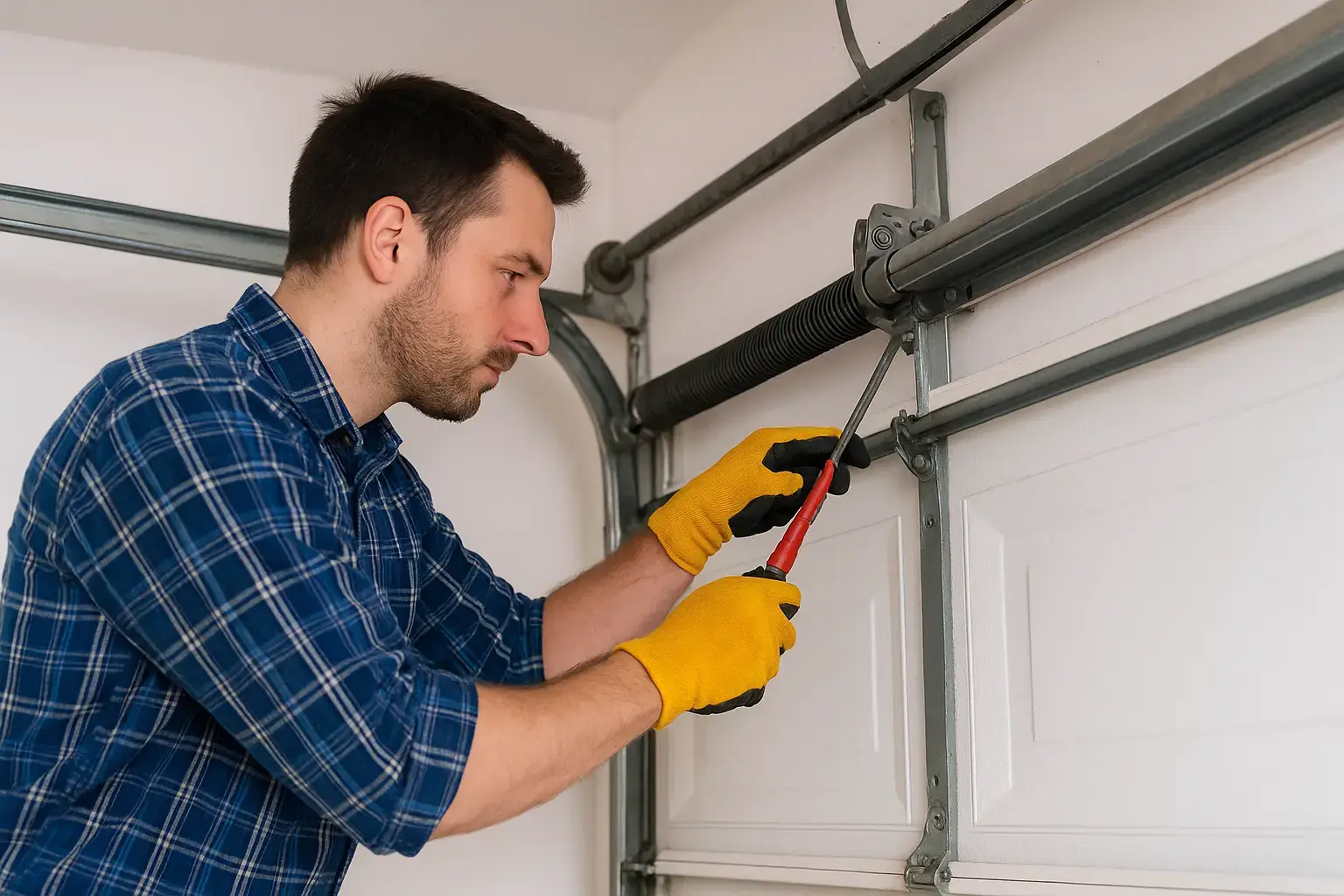
Springs and Cables
They counterbalance the weight. Wrong tension = disaster.
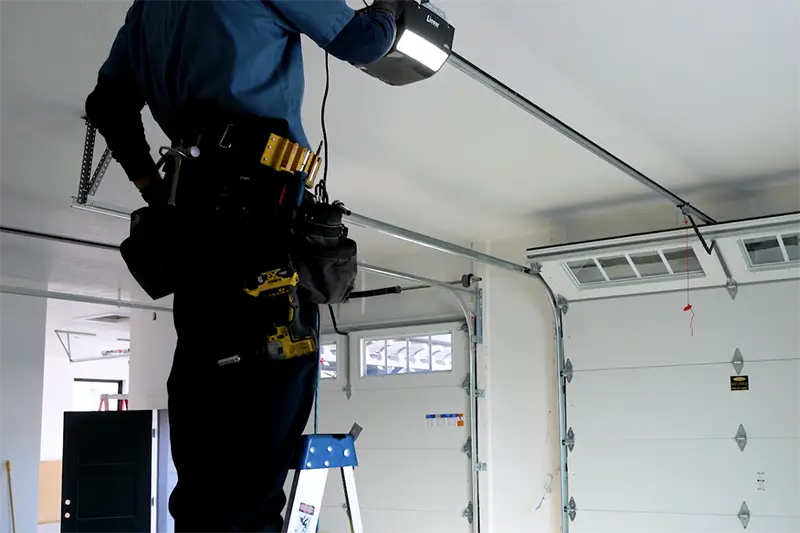
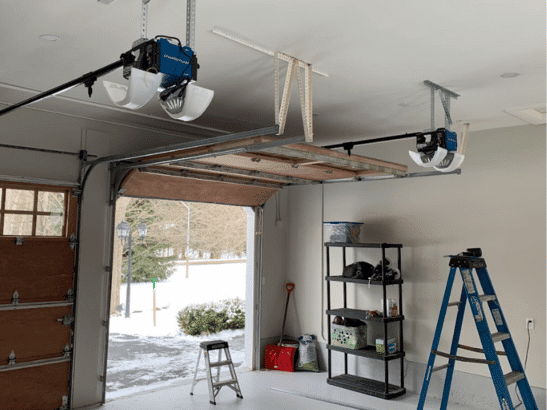
Garage Door Opener
The motor that does the heavy lifting (literally).
Safety Sensors and Remotes
Don’t ignore these. They prevent accidents and keep your family safe.
How to Prepare for Garage Door Installation
Measurements You’ll Need
Height, width, side clearance, and headroom. Don’t eyeball it—get precise!
Clearing the Installation Area
Move tools, vehicles, and clutter out of the way for a smooth setup.
Permits and HOA Approval
Some neighborhoods require permission—always check first.
DIY vs Professional Garage Door Installation: Which Is Better?
Risks of Doing It Yourself
Sure, you might save money. But if you mess up, you’ll end up spending more to fix it.
Benefits of Hiring a Pro
They have the tools, the experience, and they do it right the first time.
Why People Choose INO Garage Doors
Fast, reliable, and local. Plus, they actually show up when they say they will. Enough said.
Step-by-Step Garage Door Installation Process
| Step | Description |
| 1 | Remove old door |
| 2 | Assemble new panels |
| 3 | Attach tracks |
| 4 | Install springs and cables |
| 5 | Connect opener |
| 6 | Test the door |
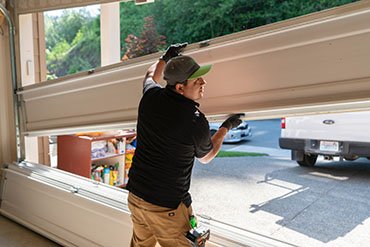
Removing the Old Door
Take it apart carefully so you don’t damage the frame.
Assembling the New Door Panels
Lay them out and follow the manufacturer’s instructions.
Installing the Track and Rollers
Alignment is everything here. Measure twice, drill once.
Adding the Opener and Testing
Mount the opener, sync the remote, and test the whole system thoroughly.
How Long Does Garage Door Installation Take?
Average Time for Different Types
Most standard installs take 4–6 hours. Custom jobs may take a day or more.
Factors That Could Cause Delays
Bad weather, wrong measurements, missing parts—you name it.
Common Garage Door Installation Mistakes to Avoid
Misaligned Tracks
If your door jerks or gets stuck, check the track alignment.
Improper Spring Tension
Too tight or too loose, and you’ll wear out your motor fast.
Ignoring the Weather Seal
This little strip keeps out wind, water, and pests. Don’t skip it!
Post-Installation Maintenance Tips
Monthly Visual Inspections
Look for cracks, rust, and misalignments.
Lubrication and Tightening
Use silicone spray on rollers and hinges every 2-3 months.
Safety Sensor Checks
Wave something in front of the sensor to make sure it stops the door.
Energy Efficiency and Insulation
Why Insulated Doors Matter
They help regulate your garage’s temperature, saving energy and money.
R-Value Ratings Explained
The higher the R-value, the better the insulation.
Can I Automate My New Garage Door?
Smart Garage Openers
Operate your door from your phone, even if you’re halfway across the world.
Integration with Home Automation Systems
Connect to Alexa, Google Home, or Apple HomeKit for extra convenience.
Choosing the Right Installer for Garage Door Installation
What to Look for in a Contractor
Licensed, insured, and with solid reviews. Don’t compromise.
Questions to Ask Before Hiring
How many installs have you done? What brands do you work with? Any warranties?
Final Thoughts on Garage Door Installation
Garage door installation is more than a weekend project—it’s a serious investment in your home’s functionality, appearance, and security. From choosing the right material and design to hiring a reliable installer like INO Garage Doors, every decision counts. Do your homework, ask questions, and don’t settle for less. Because when done right, a garage door isn’t just an entrance—it’s a statement.
Frequently Asked Questions
Q1: How often should I service my garage door?
A: At least once a year, but check it monthly for signs of wear.
Q2: What R-value should I look for in an insulated garage door?
A: Ideally, R-12 or higher for cold climates, R-6 to R-9 for mild areas.
Q3: Can I paint my garage door after installation?
A: Yes! Just use paint that’s appropriate for the door material.
Q4: How do I know if my garage door spring is bad?
A: If your door feels heavy or won’t stay open, it’s likely the spring.
Q5: Is it possible to upgrade to a smart garage door opener later?
A: Absolutely. Most systems are compatible with retrofit kits.