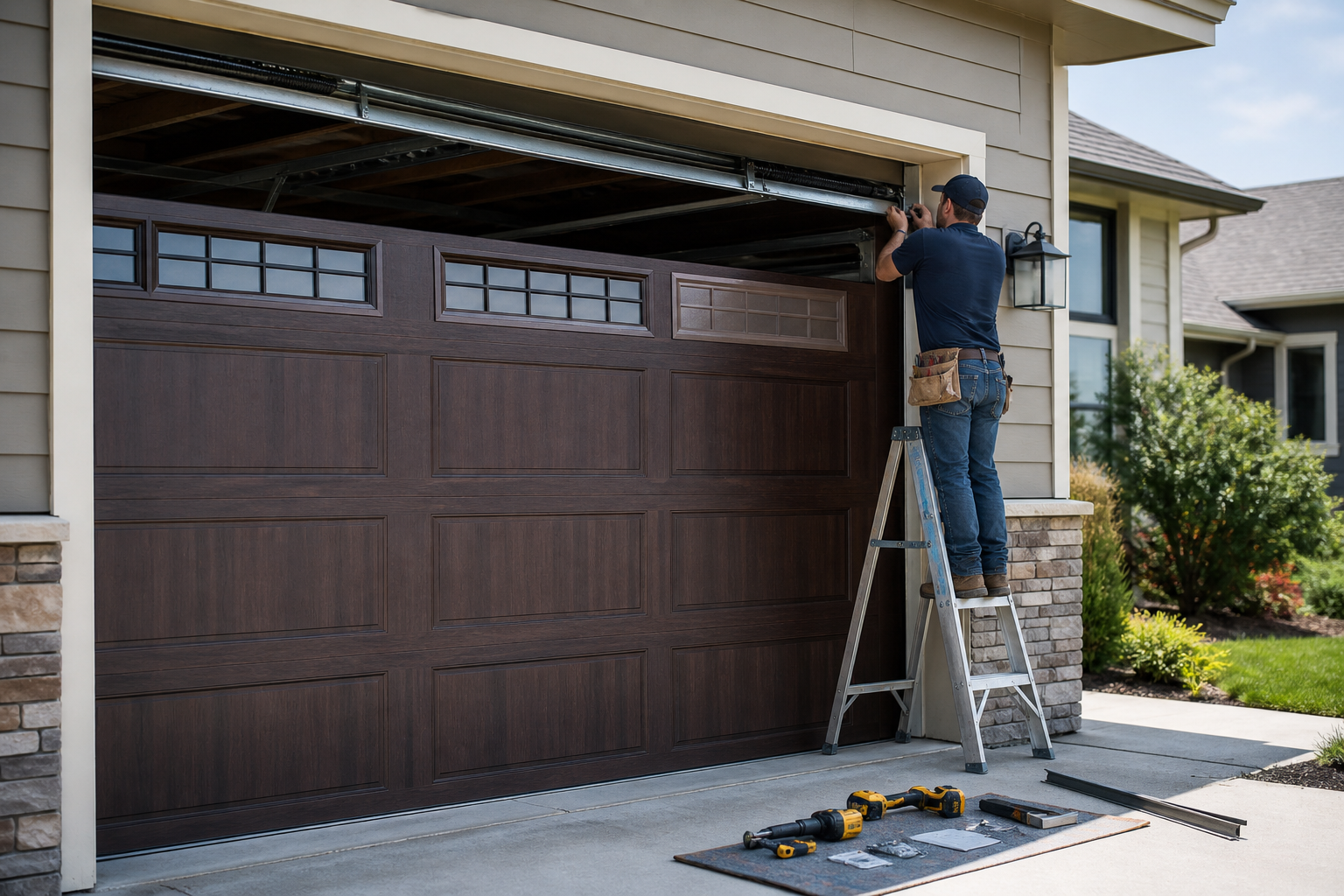
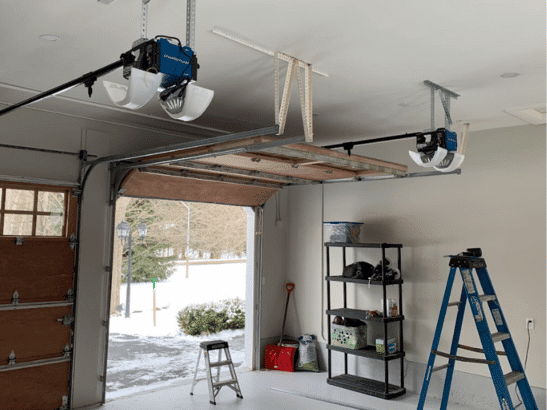
Introduction to Garage Door Installation
Why Garage Doors Matter More Than You Think
Think about it—your garage door isn’t just a utility. It’s part of your home’s face, a critical piece of security, and a major influence on energy efficiency. Whether you’re building a new home or replacing an old setup, garage door installation plays a key role in functionality and curb appeal.
First Impressions & Curb Appeal
Your garage door is one of the largest visual elements on the exterior of your home. It contributes significantly to the overall aesthetics. A properly installed garage door can instantly elevate your property’s value and make a lasting impression.
Understanding the Basics
What Is Garage Door Installation?
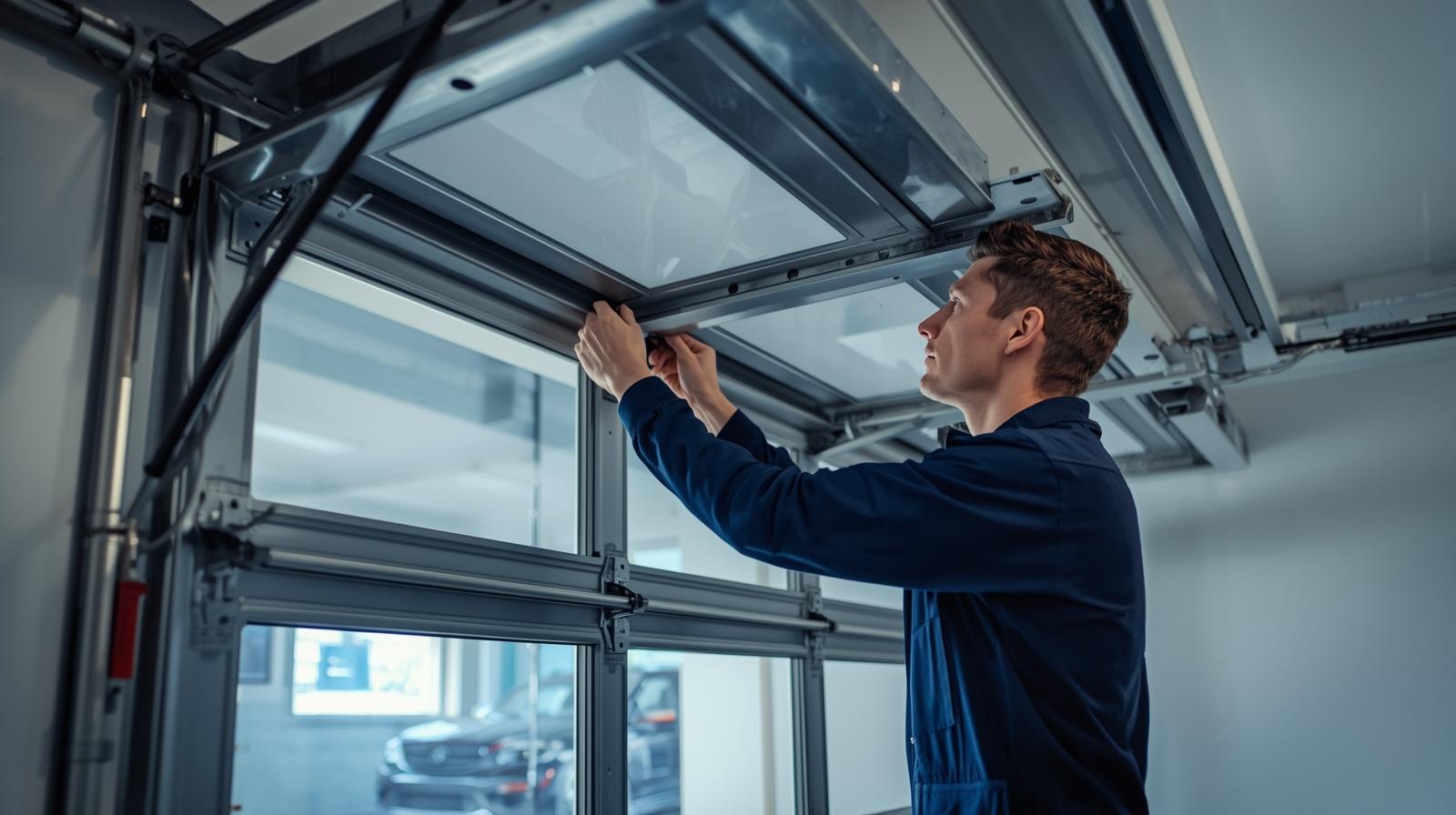
Garage door installation is the process of assembling and fitting a door system that opens and closes over your garage space. It includes not just the panels, but also the tracks, opener, torsion or extension springs, and safety mechanisms.
It’s not a simple plug-and-play task; it requires planning, precision, and sometimes professional help. For a comprehensive view, visit this garage door installation resource.
Common Types of Garage Doors You Can Choose
- Sectional Garage Doors
- Roll-Up Garage Doors
- Slide-to-Side Doors
- Side-Hinged Garage Doors
- Tilt-Up/Up-and-Over Doors
Each type has its charm and ideal use-case, depending on your space and style.

How to Prepare for Garage Door Installation
Measurements You Need Before Buying
Before jumping into garage door installation, get your measurements right. Here’s what you’ll need:
- Width of the opening
- Height of the opening
- Side room (space beside the opening)
- Headroom (space above the opening)
- Backroom (depth of your garage)
Jotting these down will save a lot of time and headaches.
Clearing the Space: Tips to Get Ready
Make way! Clear out bikes, shelves, tools—anything that could obstruct the process. The pros (or you, if you’re going DIY) need free access around the garage entrance to work efficiently and safely.
Materials That Make a Difference
Steel, Wood, Aluminum – Which One’s Right?
Choosing the material is more than just looks. It’s about durability, insulation, and long-term care.
Pros and Cons of Each Garage Door Material
| Material | Pros | Cons |
| Steel | Durable, low-maintenance, secure | Can dent easily |
| Wood | Classic look, customizable | High maintenance, heavy |
| Aluminum | Lightweight, rust-resistant | Less durable |
| Fiberglass | Resistant to salt air, low maintenance | May fade over time |
| Vinyl | Durable and quiet | Limited style options |
What’s the Right Style for Your Home?
Modern, Traditional, Carriage House – Oh My!
Style isn’t just icing on the cake—it tells your home’s story. Popular styles include:
- Modern: Clean lines, glass panels
- Traditional: Raised or recessed panels
- Carriage House: Rustic, barn-style vibe
Matching Your Garage Door to Your Home’s Personality
Look at your home’s architecture. A mid-century modern home? Sleek aluminum and glass might work best. Victorian vibes? Carriage house doors will blend in beautifully.
Should You DIY or Hire a Pro for Garage Door Installation?
Pros and Cons of Doing It Yourself
Pros:
- Cost-saving
- Personal satisfaction
Cons:
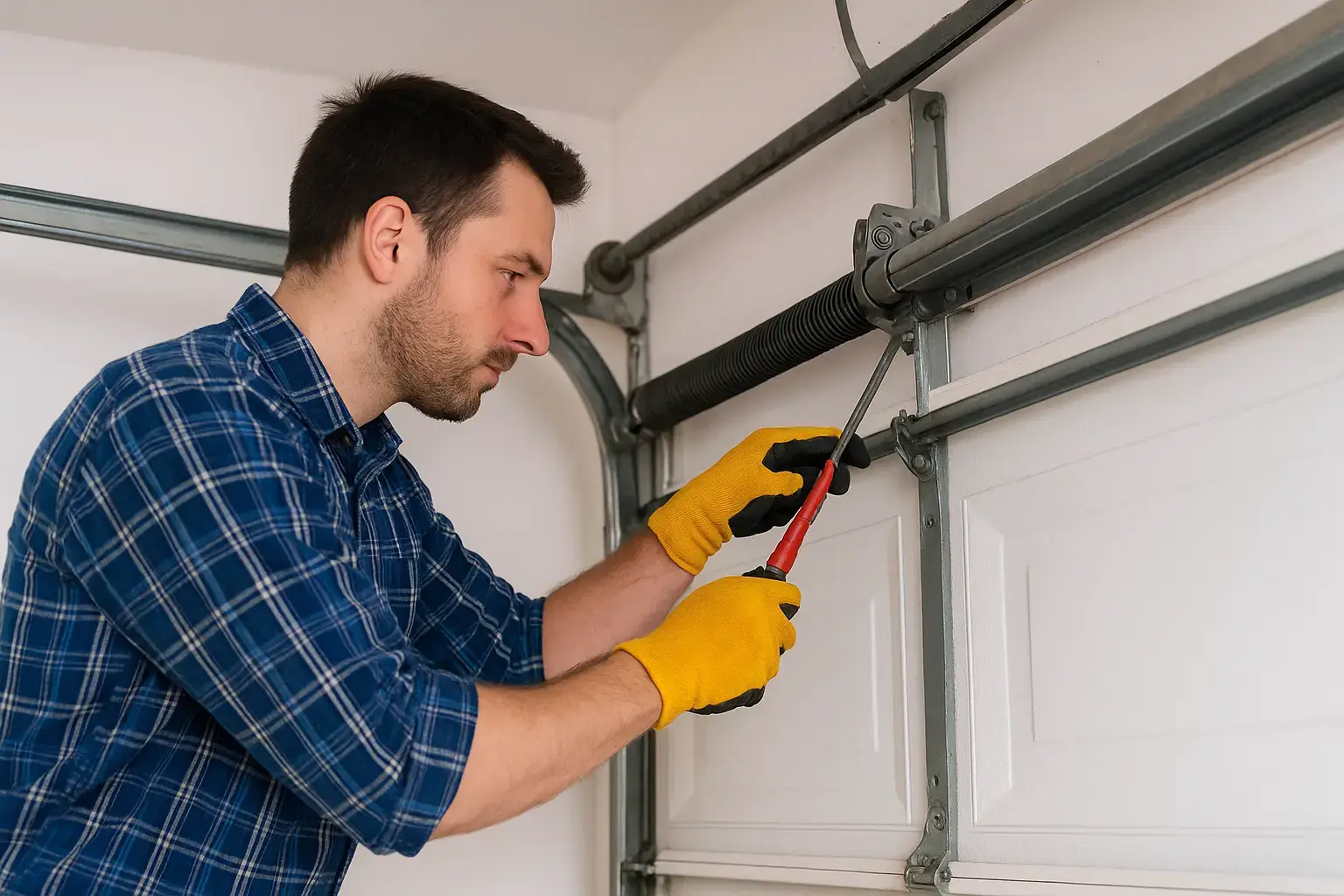
- Safety risks (springs are dangerous!)
- Time-consuming
- May void warranty
Why Professional Help Might Be Worth It
Hiring a pro ensures your garage door installation is up to code, secure, and efficient. Plus, you won’t be sweating bullets trying to install heavy panels solo.
Step-by-Step: What Happens During Garage Door Installation
Removing the Old Door (if applicable)
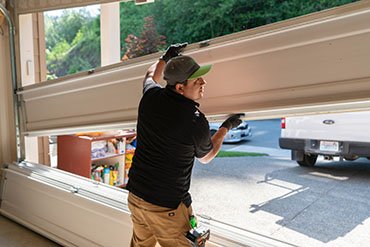
If you’re replacing an old door, you’ll first need to safely disconnect the opener and spring system, then remove the panels one by one.
Installing Tracks, Panels, and Hardware
Here’s the general order of operations:
- Install vertical and horizontal tracks
- Fit panels one at a time
- Connect hinges and brackets
- Attach rollers to the tracks
- Secure the spring system
Adding the Opener and Finishing Touches
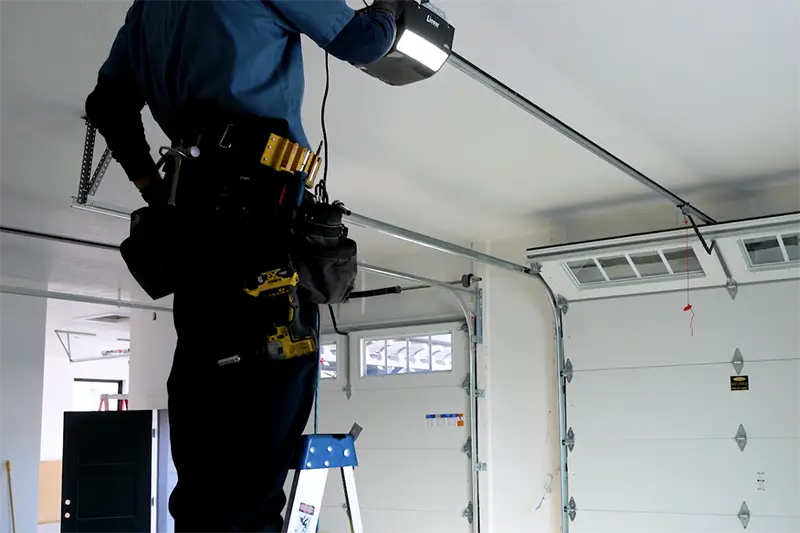
Last, but not least, install your automatic garage door opener and test its motion. Add weatherstripping and check that everything’s balanced and level.
How Long Does Garage Door Installation Take?
Average Time Frames to Expect
- DIY installation: 6–8 hours (if you know what you’re doing)
- Professional install: 2–4 hours
Of course, time can vary based on complexity and weather conditions.
What Tools Are Needed for Garage Door Installation?
Must-Have Equipment for a Smooth Job
- Power drill
- Wrench set
- Screwdrivers
- Level
- Tape measure
- Stepladder
- Safety glasses
- C-clamps
And don’t forget your patience—it’s the most underrated tool!
Can I Install a Garage Door Alone or Do I Need Help?
It’s technically possible to do it solo, but it’s not advisable. You’ll need someone to help hold the panels, align the tracks, and secure the springs. Two sets of hands are safer and faster.
Why Safety Is Non-Negotiable
Handling Springs & Tracks Without Injury
Garage door springs are under immense tension. Mishandling can cause serious injury. If you’re not 100% confident, leave it to a professional.
Testing Your Installation for Safety
Once installed, do a safety test:
- Auto-reverse check: Place an object under the door
- Photo eye alignment: Ensure sensors respond correctly
- Manual release: Test the door’s manual operation
Common Mistakes to Avoid
Poor Alignment, Weak Fastening & Other Headaches
- Misaligned tracks = jerky movement
- Loose bolts = dangerous door drops
- Skipping weatherstripping = water leaks and drafts
Pay attention to details during installation to avoid these frustrating issues.
What Comes After Installation?
Routine Maintenance Tips to Extend Lifespan
- Lubricate moving parts every 3–6 months
- Tighten bolts
- Check balance and alignment
- Clean photo sensors
Signs Your New Garage Door Needs a Tune-Up
- Loud noises during operation
- Delayed response from opener
- Sagging panels or crooked movement
INO Garage Doors – Your Reliable Installation Partner
What Makes INO Garage Doors a Great Choice?
With years of hands-on experience, INO Garage Doors offers seamless garage door installation. Their licensed pros bring safety, precision, and customer-first service to every project. If peace of mind matters to you, INO’s got your back.
Comparison Table of Garage Door Materials
| Feature | Steel | Wood | Aluminum | Vinyl |
| Durability | High | Medium | Medium | High |
| Maintenance | Low | High | Low | Low |
| Insulation | Medium | High | Low | Medium |
| Cost | Medium | High | Medium | Medium |
| Appearance | Versatile | Elegant | Modern | Basic |
| Weight | Heavy | Heavy | Light | Light |
Conclusion
Garage door installation isn’t just a mechanical task—it’s a home upgrade. Whether you go DIY or hire pros like INO Garage Doors, taking the time to choose the right materials, style, and safety precautions will pay off in security, beauty, and long-term value.
FAQs
How do I know what size garage door I need?
Measure the width and height of your garage opening. Also, check headroom and side room to ensure proper fitment.
Are insulated garage doors worth it?
Absolutely! They help regulate temperature, reduce noise, and even lower energy bills.
What’s the average cost of garage door installation?
Costs vary by material, labor, and features. It’s best to get a custom quote based on your needs.
How often should I service my garage door?
At least once a year. Regular checks keep it running smoothly and safely.
Can I paint my garage door after installation?
Yes! Just use exterior-grade paint suitable for your door’s material.