Introduction
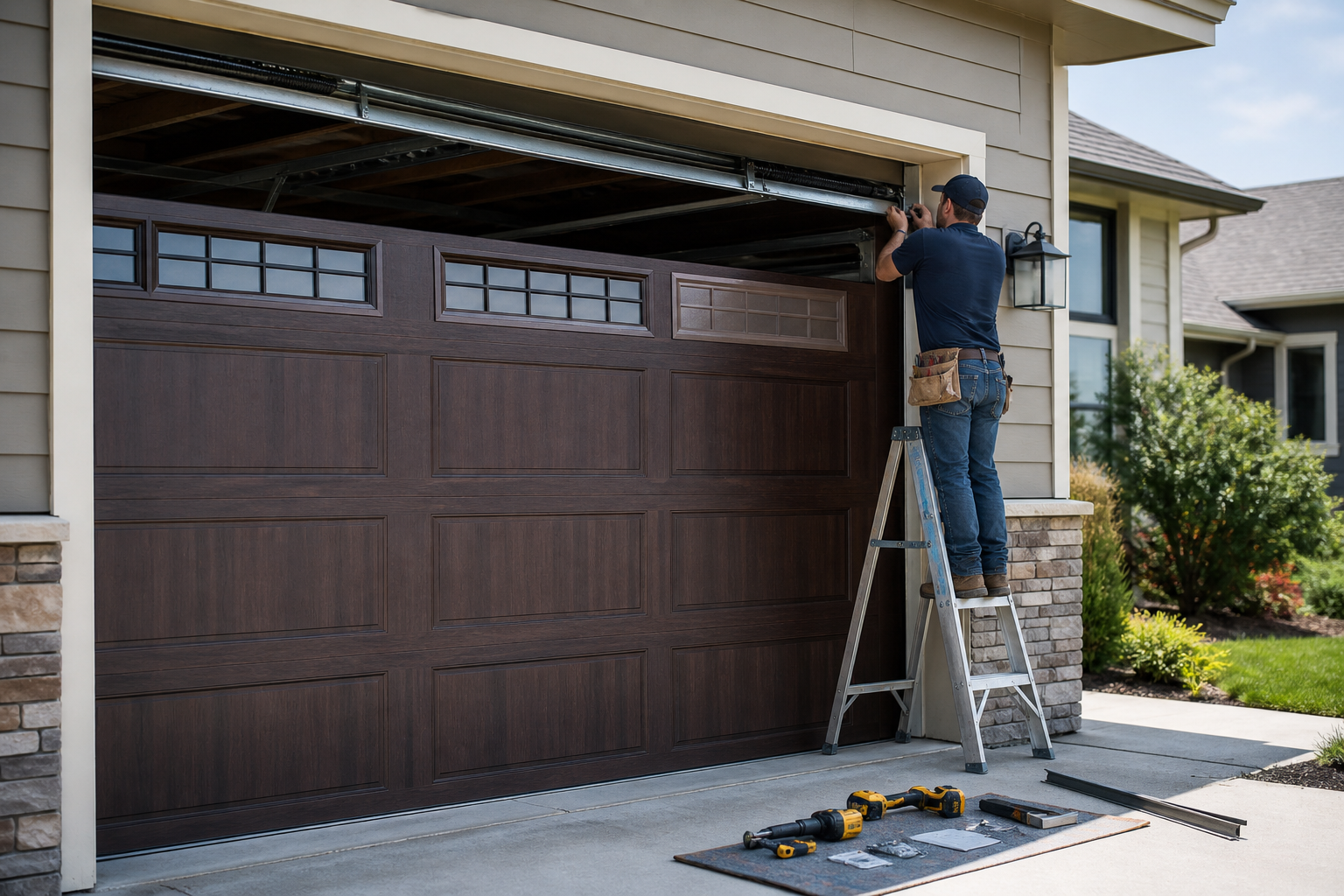
Your garage door does more than just open and close — it protects your home, influences curb appeal, and plays a key role in energy efficiency. A proper garage door installation ensures your investment lasts for years and works flawlessly. In this guide, we’ll walk you through every aspect of the process to help you make smart, informed decisions.
Why Garage Door Installation Matters
First Impressions and Curb Appeal
Believe it or not, your garage door can make or break your home’s first impression. A modern, sleek door adds to the exterior design and can increase your property value significantly.
Security and Safety for Your Home
Your garage door is one of the largest entries to your house. A secure door means better protection from break-ins and harsh weather.
Energy Efficiency and Insulation
Insulated garage doors help maintain indoor temperatures, reduce energy bills, and protect belongings from temperature extremes — a must in varying climates.

Signs You Need a New Garage Door
Frequent Repairs and Malfunctions
If you’re calling for repairs every few months, it may be time to consider a replacement. It’s more cost-effective in the long run.
Visible Damage and Wear
Dents, rust, or cracks aren’t just unsightly—they can affect the door’s structural integrity and safety.
Outdated Design or Technology
Still using a chain drive from the 90s? Upgrading your garage door allows you to enjoy smart features, quieter operation, and better security.
What to Know Before You Start Installation
Measuring Your Garage Door Space
Start with accurate measurements:
- Width of the opening
- Height from floor to top
- Headroom above the opening
- Side room for tracks
Choosing the Right Type of Door
Your choice depends on your garage structure, personal taste, and budget. Read on for detailed comparisons.
Tools and Materials You’ll Need
You’ll likely need:
- Power drill
- Wrenches
- Tape measure
- Level
- Garage door installation kit
Choosing the Best Garage Door for Your Home
Sectional vs. Roll-Up vs. Slide-to-Side
| Type | How It Works | Best For |
| Sectional | Opens vertically, panels bend | Most residential homes |
| Roll-Up | Rolls into a coil | Commercial/space-saving |
| Slide-to-Side | Slides along wall | Older garages with limited headroom |
Material Options: Steel, Wood, Aluminum
- Steel: Durable and low-maintenance
- Wood: Elegant but needs upkeep
- Aluminum: Lightweight and modern-looking
Insulated vs. Non-Insulated Doors
If your garage is attached to your house or you use it as a workspace, insulation is worth the upgrade.

Step-by-Step Garage Door Installation Process
Step 1: Preparing the Opening
Clear the area, remove the old door, and ensure the frame is square and level.
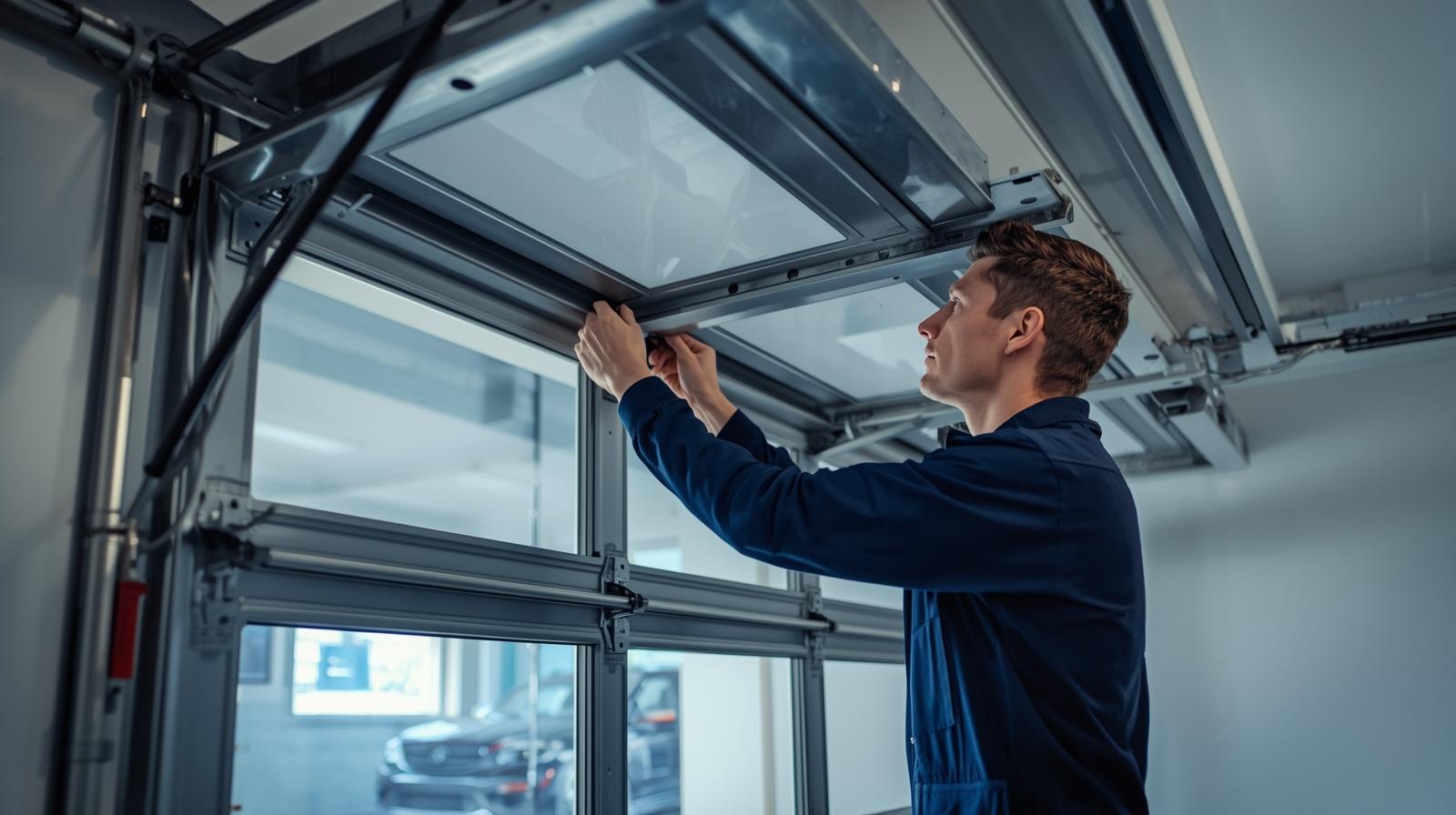
Step 2: Installing the Tracks and Panels
Attach the vertical tracks first, then add panels one by one, securing them with hinges and brackets.
Step 3: Securing the Hinges and Rollers
Insert rollers into the hinges, then guide them into the tracks carefully.
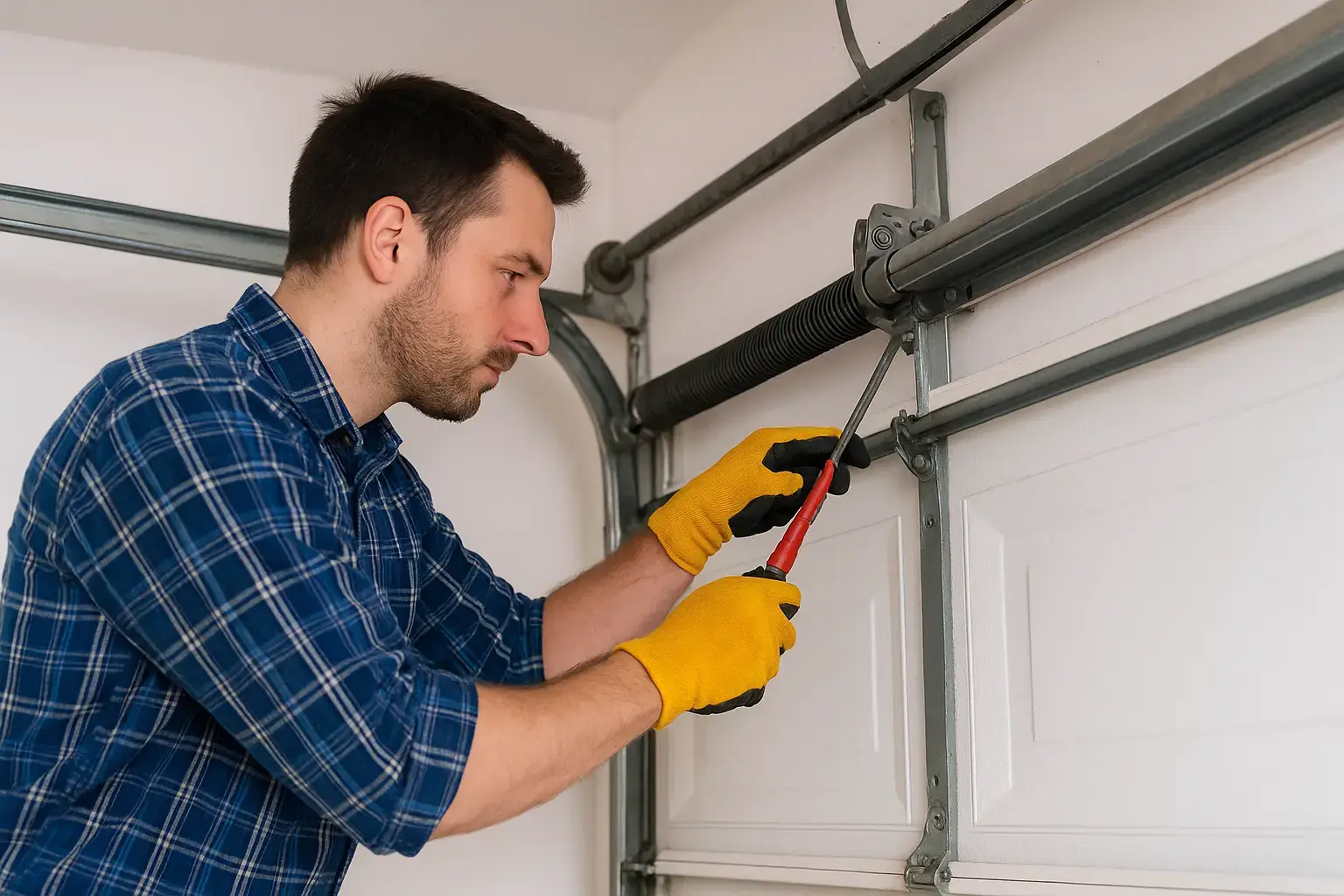
Step 4: Mounting the Spring System
This part is tricky and dangerous. Torsion springs should be handled with extreme caution—or left to a professional.
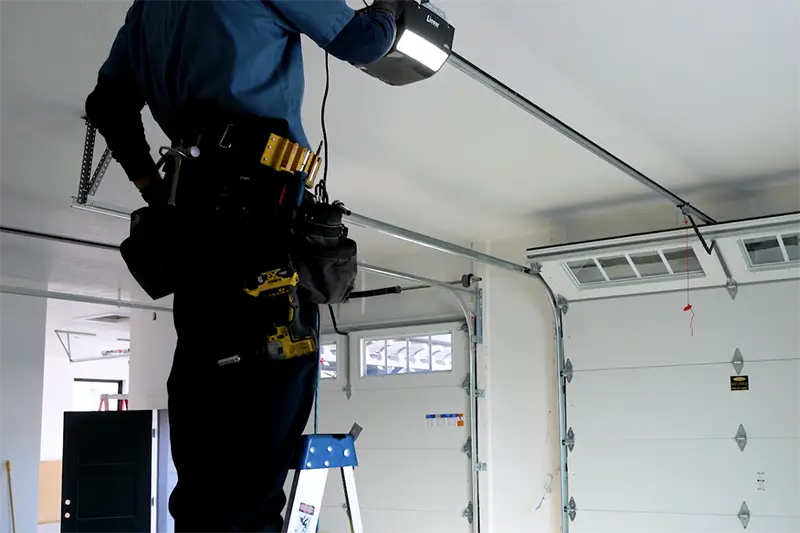
Step 5: Installing the Opener (Optional)
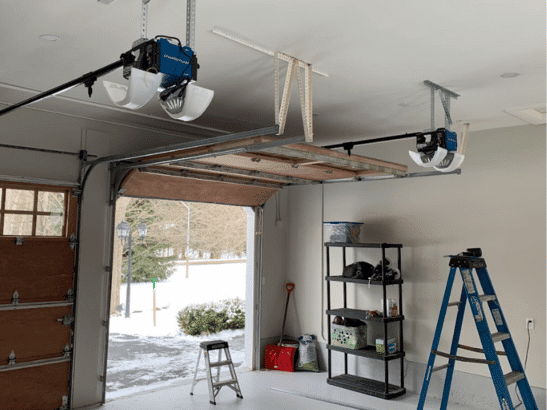
If you want remote access and automation, now’s the time to install the opener and sensors.
Step 6: Final Testing and Adjustments
Test the door’s movement and safety reversal mechanism. Make adjustments to the springs and tracks as needed.
Common Mistakes to Avoid
Misalignment of Tracks
Even a slight tilt can prevent the door from functioning smoothly.
Skipping Safety Precautions
Always disconnect power tools when not in use and wear protective gear.
Poor Weather Sealing
Without proper seals, moisture and pests can get in. Make sure seals are snug and secure.
DIY vs. Professional Installation
Pros and Cons of Each Approach
| Approach | Pros | Cons |
| DIY | Saves money | Risky, time-consuming, complex |
| Professional | Safe, quick, and guaranteed | Costs more, but worth it long-term |
When to Call Ino Garage Doors Professionals
Trust the experts at Ino Garage Doors for reliable, hassle-free installation. Their team has years of experience and knows how to handle every situation professionally.
How Long Does Garage Door Installation Take?
Timeline for Standard Installations
A standard installation typically takes 4–6 hours, depending on complexity.
Factors That Affect Installation Time
- Type of door
- Whether old door removal is needed
- Opener installation
- Skill level of the installer
Maintenance Tips After Installation
Regular Lubrication
Lubricate moving parts (rollers, hinges, springs) every six months.
Inspecting Springs and Cables
Check for signs of wear. If you notice fraying or corrosion, call a technician immediately.
Cleaning and Weatherproofing
Keep the door clean and inspect seals periodically. Re-seal gaps as needed to maintain efficiency.
What’s the Cost of a Garage Door Installation Without Prices?
Cost Determinants: Size, Material, Labor
While we’re not listing prices, remember that the final cost depends on:
- Size of your garage
- Door material and style
- Labor and optional add-ons like openers
Value for Investment
A new garage door has one of the highest returns on investment for home improvements. Think of it as enhancing both security and beauty.
What Makes Ino Garage Doors Stand Out?
Local Expertise and Professionalism
Ino Garage Doors brings the perfect blend of local insight and industry experience. They’re reliable, fast, and genuinely care about customer satisfaction.
Comprehensive Services from Start to Finish
From helping you pick the right style to final inspection, they’ve got your back every step of the way.
Tables and Quick Reference
Garage Door Types Comparison
| Type | Pros | Cons |
| Sectional | Durable, popular, easy to repair | Needs headroom |
| Roll-Up | Space-saving | Costly, often commercial use |
| Slide-to-Side | Great for low ceilings | Limited design options |
Maintenance Schedule Table
| Task | Frequency |
| Lubricate hardware | Every 6 months |
| Inspect springs/cables | Every 3 months |
| Test opener sensors | Monthly |
| Clean door exterior | As needed |
Conclusion
A new garage door can be one of the best improvements you make for your home. With the right planning, proper installation, and occasional maintenance, your garage door will serve you for years — safely, efficiently, and stylishly. Whether you’re tackling a DIY project or hiring trusted professionals like Ino Garage Doors, the key is doing it right the first time.
FAQs
How long does garage door installation take?
Typically, around 4–6 hours for a standard door without complications.
Is it safe to install a garage door myself?
It can be risky, especially when dealing with springs. When in doubt, hire a pro.
How often should I maintain my garage door?
Basic maintenance like lubrication should be done every six months, and safety checks more often.
What type of garage door is best for cold climates?
Insulated steel doors are ideal for retaining heat and resisting moisture.
Can I upgrade my garage door opener later?
Absolutely. Many systems are compatible with add-on smart features and openers.